THE ADVENTURE COLLECTIVE® · Independent discovery and booking for outdoor travel

A high‑pass pilgrimage through Langtang and Helambu, this 10‑day trek reaches the holy Gosaikunda Lakes and crosses Laurebina Pass (4,610 m). Expect rhododendron forests, teahouse nights and a true high‑altitude acclimatization day at the lake.
A high‑pass pilgrimage through Langtang and Helambu, this 10‑day trek reaches the holy Gosaikunda Lakes and crosses Laurebina Pass (4,610 m). Expect rhododendron forests, teahouse nights and a true high‑altitude acclimatization day at the lake.
You crest a wind-cut ridge and the air sharpens; below, a ring of icy blue lakes reflects a sky so clean it seems to cut. That’s Gosaikunda at 4,320 m—holy water that still feeds the Trishuli River—and the focal point of a 10‑day route that links Langtang’s glaciated bowls with Helambu’s alpine pastures.
Verified experiences and guided adventures in the surrounding area.
Operated by Eve Holidays · Kathmandu, Bagmati Province
You crest a wind-cut ridge and the air sharpens; below, a ring of icy blue lakes reflects a sky so clean it seems to cut. That’s Gosaikunda at 4,320 m—holy water that still feeds the Trishuli River—and the focal point of a 10‑day route that links Langtang’s glaciated bowls with Helambu’s alpine pastures.
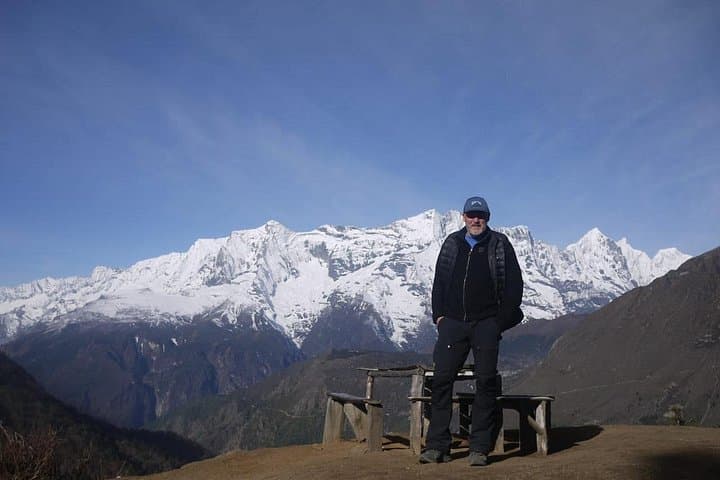
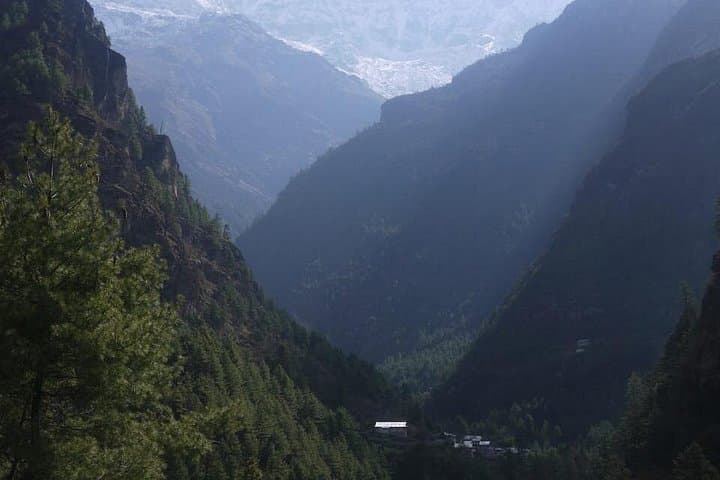
The route begins with a long drive from Kathmandu to Dhunche, then climbs through rhododendron forests and summer yak pastures. Expect steady elevation gains—Dhunche (1,950 m) to Sing Gompa (3,350 m) in a day, then on to Gosaikunda; the high point comes at Laurebina Pass (4,610 m). Terrain alternates between well-worn stone steps, scree saddles, springy meadow trails and short glacier-fed streams. Geologically this is young Himalaya: steep uplifted ridges, moraine-baffled lakes, and loose talus above tree line.
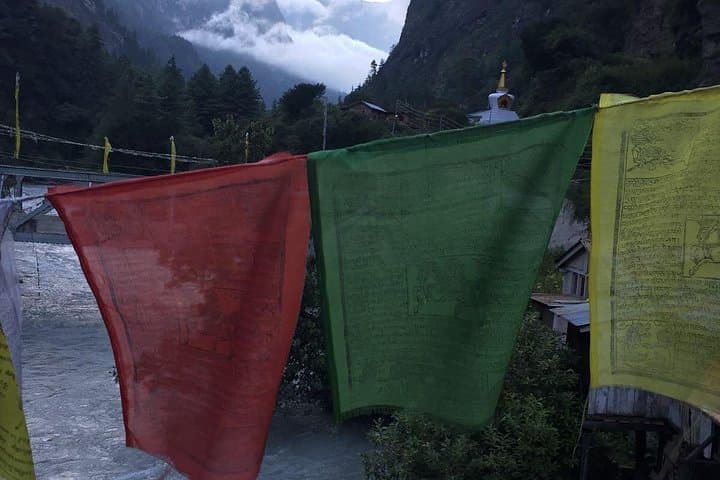
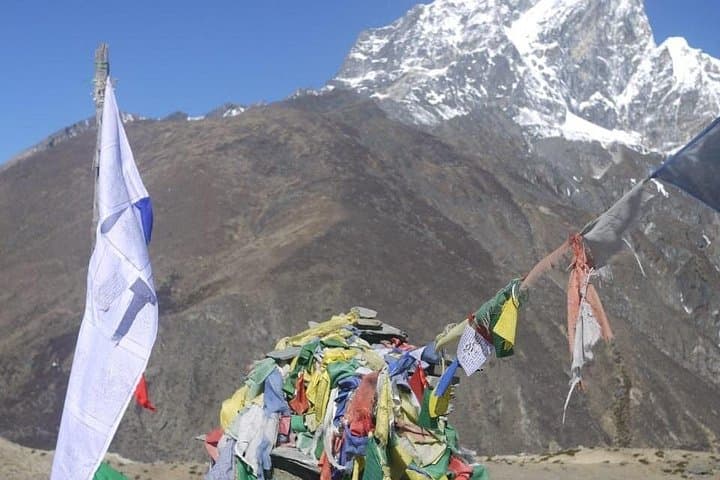
Culture is present at every teahouse—Buddhist prayer flags, small gompas and seasonal shepherd huts at Tharepati. Gosaikunda carries a Hindu origin myth (Shiva’s trident) and draws pilgrims during full‑moon festivals.
Practical guidance: plan 10–11 days with an extra acclimatization day at Gosaikunda. Tread carefully above 3,500 m—altitude, cold nights and sudden weather shifts are real. Lodges are basic but available; carry a reliable down jacket, good boots and water treatment. Permits (Langtang NP, TIMS) are required and usually handled by operators. Best windows are spring and autumn for stable weather and rhododendron bloom or clear mountain views. Move slowly on long climbs, hydrate, and use a porter or guide if you want lighter days—this is a high‑pass trek that rewards patience with sacred lakes, panoramic ridgelines and close encounters with Himalayan ecology.
Yes—Langtang National Park permit and TIMS card are required; tour operators commonly obtain these for you before departure.
Spring (April–May) and autumn (September–November) offer the most stable weather and best visibility; monsoon and winter are less predictable and can close high passes.
Laurebina La at 4,610 m requires a long climb and descent over loose terrain—physical endurance and acclimatization are key; snow or ice can increase technical difficulty.
Yes—teahouses and basic guesthouses operate on the route (Sing Gompa, Gosaikunda, Ghopte, Tharepati, Kutumsang); expect simple meals, shared rooms and cold showers at higher stops.
Eve Holidays operates guided outdoor trips and adventures with an emphasis on safety, stewardship, and memorable experiences.
You crest a wind-cut ridge and the air sharpens; below, a ring of icy blue lakes reflects a sky so clean it seems to cut. That’s Gosaikunda at 4,320 m—holy water that still feeds the Trishuli River—and the focal point of a 10‑day route that links Langtang’s glaciated bowls with Helambu’s alpine pastures.
You crest a wind-cut ridge and the air sharpens; below, a ring of icy blue lakes reflects a sky so clean it seems to cut. That’s Gosaikunda at 4,320 m—holy water that still feeds the Trishuli River—and the focal point of a 10‑day route that links Langtang’s glaciated bowls with Helambu’s alpine pastures.
The route begins with a long drive from Kathmandu to Dhunche, then climbs through rhododendron forests and summer yak pastures. Expect steady elevation gains—Dhunche (1,950 m) to Sing Gompa (3,350 m) in a day, then on to Gosaikunda; the high point comes at Laurebina Pass (4,610 m). Terrain alternates between well-worn stone steps, scree saddles, springy meadow trails and short glacier-fed streams. Geologically this is young Himalaya: steep uplifted ridges, moraine-baffled lakes, and loose talus above tree line.
Culture is present at every teahouse—Buddhist prayer flags, small gompas and seasonal shepherd huts at Tharepati. Gosaikunda carries a Hindu origin myth (Shiva’s trident) and draws pilgrims during full‑moon festivals.
Practical guidance: plan 10–11 days with an extra acclimatization day at Gosaikunda. Tread carefully above 3,500 m—altitude, cold nights and sudden weather shifts are real. Lodges are basic but available; carry a reliable down jacket, good boots and water treatment. Permits (Langtang NP, TIMS) are required and usually handled by operators. Best windows are spring and autumn for stable weather and rhododendron bloom or clear mountain views. Move slowly on long climbs, hydrate, and use a porter or guide if you want lighter days—this is a high‑pass trek that rewards patience with sacred lakes, panoramic ridgelines and close encounters with Himalayan ecology.