THE ADVENTURE COLLECTIVE® · Independent discovery and booking for outdoor travel

A compact 4-day trek from Kathmandu to Gosaikunda Lake that combines cultural pilgrimage routes with high-alpine scenery. Perfect for trekkers who want a short but demanding introduction to the Himalaya.
A compact 4-day trek from Kathmandu to Gosaikunda Lake that combines cultural pilgrimage routes with high-alpine scenery. Perfect for trekkers who want a short but demanding introduction to the Himalaya.
The trail crests above a tree line of dwarf rhododendron and juniper, and the air thins until the turquoise rim of Gosaikunda appears like a bowl hewn from rock and glacier.
Verified experiences and guided adventures in the surrounding area.
Operated by Nepal Mountain Club Pvt Ltd · Dhunche, Bagmati Province
The trail crests above a tree line of dwarf rhododendron and juniper, and the air thins until the turquoise rim of Gosaikunda appears like a bowl hewn from rock and glacier.
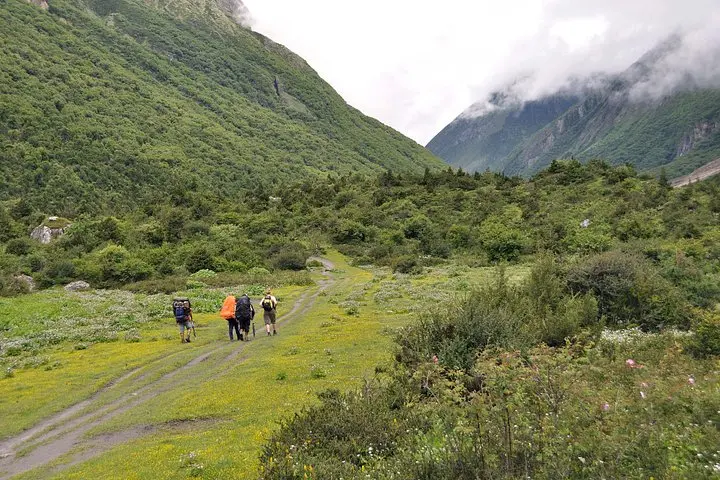
This compact, four-day route starts with a long scenic bus ride from Kathmandu to Dhunche, then leads steadily upward through Deurali and Lauribinayak before reaching the sacred alpine lake at ~4,380 m. Gosaikunda has been a pilgrimage site for centuries—Hindu and Buddhist myths meld here—and the basin shows clear signs of glacial sculpting: moraines, cirques and a scattering of tarns framed by serrated ridgelines.
Culture here is pragmatic and spiritual; teahouses in Lauribinayak and Shing Gompa cater to trekkers and pilgrims alike, serving dhal-bhat and hot tea after a cold day on the trail. Weather shifts fast in the high Himalaya: sun can feel warm but wind and nighttime temperatures demand layers.
Practical guidance: expect 4 days of travel with 4–6 hours walking on summit day, uneven trails, and altitude gain that requires a conservative pace. Bring water treatment, sturdy boots and warm insulation for the lake overnight. Permit paperwork (TIMS and Langtang access) is standard; this trip often includes guide services and guesthouse lodging.
Plan for early starts to avoid afternoon storms, hydrate steadily, and watch for altitude symptoms above 3,000 m. The payoff is immediate—clear alpine light, prayer flags snapping in wind, and the lake’s glass surface reflecting a high-peaked horizon.
Yes—trekkers need TIMS registration and Langtang National Park entry permits; organizers often handle these.
Late spring (May–June) and autumn (September–November) offer the most stable weather and clearer mountain views.
The route reaches ~4,380 m quickly, so acclimatization is important; plan conservative pacing and know AMS symptoms.
Yes—basic teahouses/guesthouses are available at Deurali, Lauribinayak and Shing Gompa, offering simple meals and shared rooms.
Nepal Mountain Club Pvt Ltd operates guided outdoor trips and adventures with an emphasis on safety, stewardship, and memorable experiences.
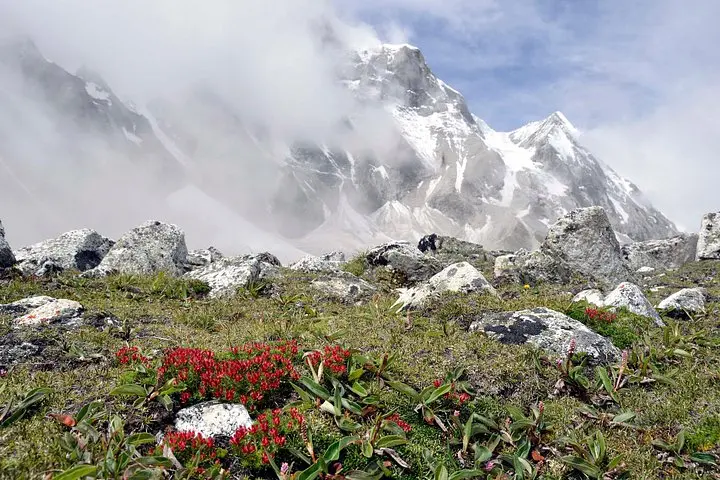
The trail crests above a tree line of dwarf rhododendron and juniper, and the air thins until the turquoise rim of Gosaikunda appears like a bowl hewn from rock and glacier.
The trail crests above a tree line of dwarf rhododendron and juniper, and the air thins until the turquoise rim of Gosaikunda appears like a bowl hewn from rock and glacier.
This compact, four-day route starts with a long scenic bus ride from Kathmandu to Dhunche, then leads steadily upward through Deurali and Lauribinayak before reaching the sacred alpine lake at ~4,380 m. Gosaikunda has been a pilgrimage site for centuries—Hindu and Buddhist myths meld here—and the basin shows clear signs of glacial sculpting: moraines, cirques and a scattering of tarns framed by serrated ridgelines.
Culture here is pragmatic and spiritual; teahouses in Lauribinayak and Shing Gompa cater to trekkers and pilgrims alike, serving dhal-bhat and hot tea after a cold day on the trail. Weather shifts fast in the high Himalaya: sun can feel warm but wind and nighttime temperatures demand layers.
Practical guidance: expect 4 days of travel with 4–6 hours walking on summit day, uneven trails, and altitude gain that requires a conservative pace. Bring water treatment, sturdy boots and warm insulation for the lake overnight. Permit paperwork (TIMS and Langtang access) is standard; this trip often includes guide services and guesthouse lodging.
Plan for early starts to avoid afternoon storms, hydrate steadily, and watch for altitude symptoms above 3,000 m. The payoff is immediate—clear alpine light, prayer flags snapping in wind, and the lake’s glass surface reflecting a high-peaked horizon.