THE ADVENTURE COLLECTIVE® · Independent discovery and booking for outdoor travel

Trade Kathmandu’s chaos for high alpine silence on a 10-day budget trek to Gosaikunda. Expect teahouse nights, Himalayan panoramas, and a culturally rich route that balances spiritual sites with steady mountain hiking.
Trade Kathmandu’s chaos for high alpine silence on a 10-day budget trek to Gosaikunda. Expect teahouse nights, Himalayan panoramas, and a culturally rich route that balances spiritual sites with steady mountain hiking.
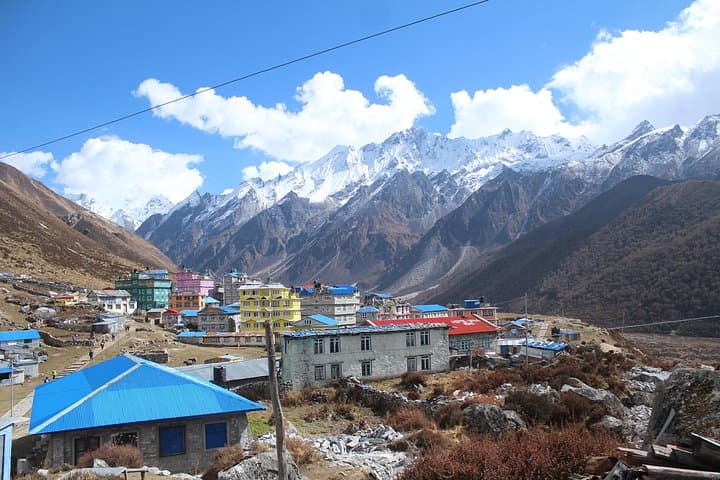
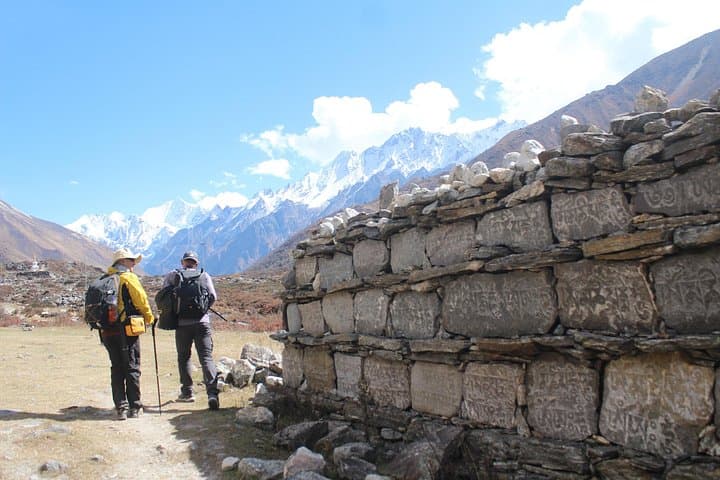
A cold wind from the high basin greets you as the road drops away and the trees thin—Gosaikunda appears like a high mirror catching the sky. On this 10-day circuit you move from Kathmandu’s noisy streets to stone-paved trails, tea-house doors, and a lake that pilgrims revere. Early mornings deliver razor-clear light on cirques and glacial ridges; afternoons bring long, steady climbs and the smell of yak butter tea warming your palms.
Verified experiences and guided adventures in the surrounding area.
Operated by Peak to Peak Tours and Treks Pvt Ltd · Kathmandu, Bagmati Province
A cold wind from the high basin greets you as the road drops away and the trees thin—Gosaikunda appears like a high mirror catching the sky. On this 10-day circuit you move from Kathmandu’s noisy streets to stone-paved trails, tea-house doors, and a lake that pilgrims revere. Early mornings deliver razor-clear light on cirques and glacial ridges; afternoons bring long, steady climbs and the smell of yak butter tea warming your palms.
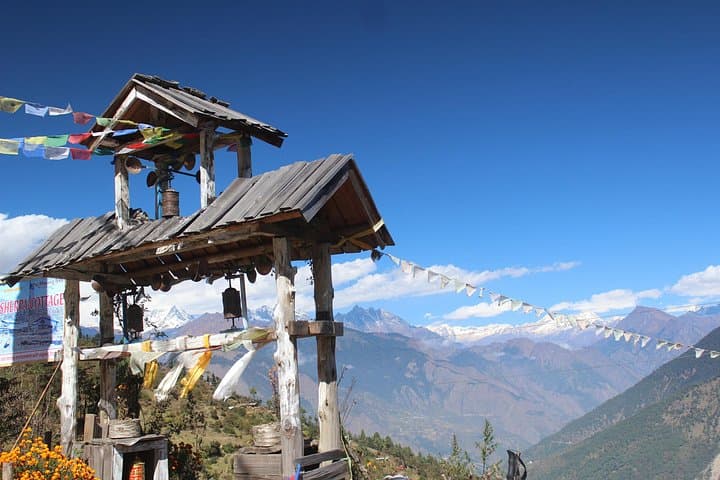
The route follows old trade and pilgrimage paths used by Tamang communities and pilgrims who travel to Gosaikunda for the Janai Purnima festival. Geologically the basin sits on uplifted Himalayan bedrock and glacial till, with lakes formed by moraine dams. Culturally the trek is a study in mountain hospitality: monasteries in Sing Gompa, yak cheese makers, and tea houses where stories travel faster than mail.
Practically, expect daily walks of 4–7 hours, a highest overnight at about 4,380 m, and basic teahouse accommodation. Acclimatize properly—plan rest, hydrate, and keep pace slow above 3,000 m. Trails range from packed earth to rocky switchbacks with intermittent snow late autumn through spring. Permits and local guide support are typical and often included; road transfers to Dhunche start the trek.
Bring layered clothing, reliable boots, and a small daypack; trekking poles reduce knee strain on descents. Best windows are pre-monsoon spring and autumn for stable views; winter demands snow gear and experience. The journey is not a technical climb but it rewards patience with high‑alpine lakes, quiet monasteries, and a real sense of Himalayan scale.
Yes—treks in this region typically require a TIMS card and relevant national park permit; many operators include these in the package.
The maximum overnight is about 4,380 m; mild to moderate altitude symptoms are possible—acclimatize, hydrate, and descend if severe symptoms appear.
Tea-house accommodation is basic: shared or twin rooms, simple meals, and cold showers in many places; upgrades are limited on high sections.
Late spring (March–May) and autumn (September–November) offer the clearest skies and most stable conditions for views and trekking.
Peak to Peak Tours and Treks Pvt Ltd operates guided outdoor trips and adventures with an emphasis on safety, stewardship, and memorable experiences.

A cold wind from the high basin greets you as the road drops away and the trees thin—Gosaikunda appears like a high mirror catching the sky. On this 10-day circuit you move from Kathmandu’s noisy streets to stone-paved trails, tea-house doors, and a lake that pilgrims revere. Early mornings deliver razor-clear light on cirques and glacial ridges; afternoons bring long, steady climbs and the smell of yak butter tea warming your palms.
A cold wind from the high basin greets you as the road drops away and the trees thin—Gosaikunda appears like a high mirror catching the sky. On this 10-day circuit you move from Kathmandu’s noisy streets to stone-paved trails, tea-house doors, and a lake that pilgrims revere. Early mornings deliver razor-clear light on cirques and glacial ridges; afternoons bring long, steady climbs and the smell of yak butter tea warming your palms.
The route follows old trade and pilgrimage paths used by Tamang communities and pilgrims who travel to Gosaikunda for the Janai Purnima festival. Geologically the basin sits on uplifted Himalayan bedrock and glacial till, with lakes formed by moraine dams. Culturally the trek is a study in mountain hospitality: monasteries in Sing Gompa, yak cheese makers, and tea houses where stories travel faster than mail.
Practically, expect daily walks of 4–7 hours, a highest overnight at about 4,380 m, and basic teahouse accommodation. Acclimatize properly—plan rest, hydrate, and keep pace slow above 3,000 m. Trails range from packed earth to rocky switchbacks with intermittent snow late autumn through spring. Permits and local guide support are typical and often included; road transfers to Dhunche start the trek.
Bring layered clothing, reliable boots, and a small daypack; trekking poles reduce knee strain on descents. Best windows are pre-monsoon spring and autumn for stable views; winter demands snow gear and experience. The journey is not a technical climb but it rewards patience with high‑alpine lakes, quiet monasteries, and a real sense of Himalayan scale.