THE ADVENTURE COLLECTIVE® · Independent discovery and booking for outdoor travel

A 12‑day guided trek through Langtang to the sacred alpine basin of Gosainkunda, combining high‑altitude lakes, Buddhist monasteries and Teahouse nights. Expect steady climbs, dramatic views and strong cultural ties to the Tamang and Hindu pilgrimage traditions.
A 12‑day guided trek through Langtang to the sacred alpine basin of Gosainkunda, combining high‑altitude lakes, Buddhist monasteries and Teahouse nights. Expect steady climbs, dramatic views and strong cultural ties to the Tamang and Hindu pilgrimage traditions.
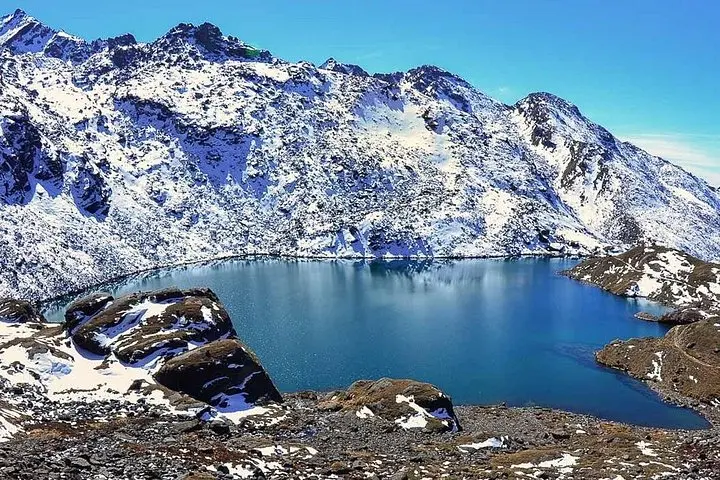
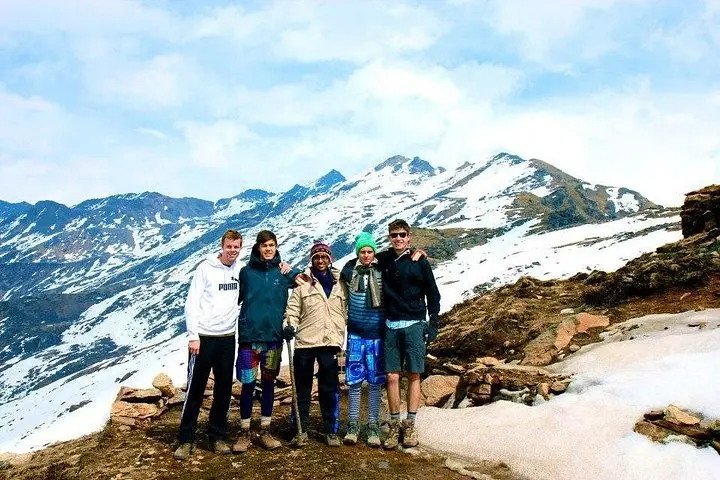
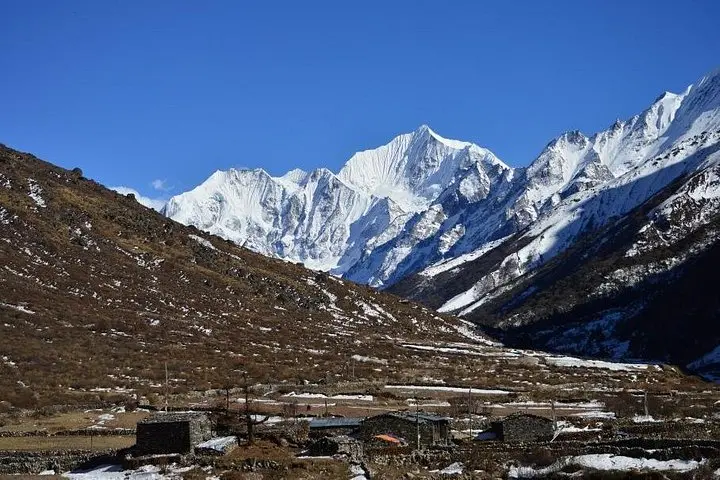
Mist lifts off the valley as trekkers climb from Syabrubesi, the first day’s dust settling behind the vehicle and the Langtang Khola beginning to speak in rapids. Over twelve days the trail alternates between oak and rhododendron forests, yak pastures and wind-scoured ridgelines, finishing at the pale, holy surface of Gosainkunda where prayer flags flutter like small, bright storms.
Verified experiences and guided adventures in the surrounding area.
Operated by Nepal Social Treks and Expedition · Syabrubesi, Bagmati Province
Mist lifts off the valley as trekkers climb from Syabrubesi, the first day’s dust settling behind the vehicle and the Langtang Khola beginning to speak in rapids. Over twelve days the trail alternates between oak and rhododendron forests, yak pastures and wind-scoured ridgelines, finishing at the pale, holy surface of Gosainkunda where prayer flags flutter like small, bright storms.
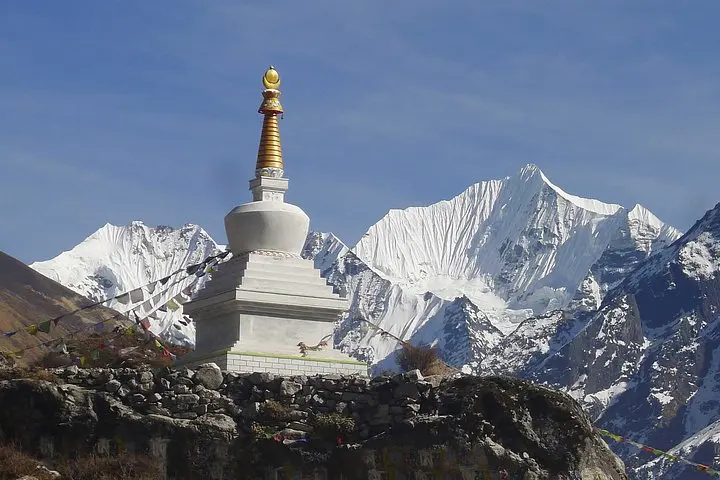
The route threads through the Langtang region’s geology: uplifted metamorphic slopes, moraines left by retreating glaciers and high alpine basins that collect sacred lakes. Gosainkunda itself is woven into Hindu and Buddhist ritual—legend credits Lord Shiva with the lake’s creation—and the Tamang and Tibetan-influenced villages along the way keep monasteries, chortens and cheese-making alive.
Expect steady ascents to 4,360–4,985 m, thin air that sharpens the view and slows the step, and teahouse nights in basic but hospitable lodges. The trail is non-technical but exposed at high passes; weather can change quickly and mornings bring clear mountain light while afternoons often cloud in.
Practically: build in acclimatization days (Kyanjin Gompa/Tserko Ri option), carry layered insulation, and keep a conservative pace—those panoramic Himalaya mornings reward patience. Bring cash for remote tea houses; water purification and a solid pair of boots make each mountain mile easier. Guided groups handle permits and logistics, letting trekkers focus on rhythm: one foot, then the valley answering back.
Yes—trekking in Langtang and Gosainkunda requires TIMS and park/area permits; guided operators typically arrange these before departure.
The itinerary reaches around 4,985 m (Tserko Ri); altitude sickness is a real risk—follow acclimatization guidance, stay hydrated and communicate symptoms to your guide early.
Accommodation is basic teahouse/guesthouse style with shared or twin rooms, simple meals, and limited hot water—comfort decreases with remoteness but hospitality is warm.
Late September to November offers the clearest weather and best views; spring (March–May) is ideal for rhododendron blooms, while monsoon season sees heavier rain and pilgrimage crowds.
Nepal Social Treks and Expedition operates guided outdoor trips and adventures with an emphasis on safety, stewardship, and memorable experiences.
Mist lifts off the valley as trekkers climb from Syabrubesi, the first day’s dust settling behind the vehicle and the Langtang Khola beginning to speak in rapids. Over twelve days the trail alternates between oak and rhododendron forests, yak pastures and wind-scoured ridgelines, finishing at the pale, holy surface of Gosainkunda where prayer flags flutter like small, bright storms.
Mist lifts off the valley as trekkers climb from Syabrubesi, the first day’s dust settling behind the vehicle and the Langtang Khola beginning to speak in rapids. Over twelve days the trail alternates between oak and rhododendron forests, yak pastures and wind-scoured ridgelines, finishing at the pale, holy surface of Gosainkunda where prayer flags flutter like small, bright storms.
The route threads through the Langtang region’s geology: uplifted metamorphic slopes, moraines left by retreating glaciers and high alpine basins that collect sacred lakes. Gosainkunda itself is woven into Hindu and Buddhist ritual—legend credits Lord Shiva with the lake’s creation—and the Tamang and Tibetan-influenced villages along the way keep monasteries, chortens and cheese-making alive.
Expect steady ascents to 4,360–4,985 m, thin air that sharpens the view and slows the step, and teahouse nights in basic but hospitable lodges. The trail is non-technical but exposed at high passes; weather can change quickly and mornings bring clear mountain light while afternoons often cloud in.
Practically: build in acclimatization days (Kyanjin Gompa/Tserko Ri option), carry layered insulation, and keep a conservative pace—those panoramic Himalaya mornings reward patience. Bring cash for remote tea houses; water purification and a solid pair of boots make each mountain mile easier. Guided groups handle permits and logistics, letting trekkers focus on rhythm: one foot, then the valley answering back.