THE ADVENTURE COLLECTIVE® · Independent discovery and booking for outdoor travel

Three mornings of guided diving around Gran Canaria take you to volcanic reefs and wrecks — two dives per day with sites chosen for your certification level. Read on for what to expect, local marine notes, and practical prep tips.
Three mornings of guided diving around Gran Canaria take you to volcanic reefs and wrecks — two dives per day with sites chosen for your certification level. Read on for what to expect, local marine notes, and practical prep tips.
You step off the minibus with salt on your lips and the Atlantic already pulling at your mask strap — three mornings of guided dives around Gran Canaria begin at a compact local dive centre, paperwork first, then gear checks. Boats or short shore walks take you to shallow reefs, volcanic pinnacles and the occasional wreck, with two dives each morning and afternoons free to sort photos and rinse suits.
Verified experiences and guided adventures in the surrounding area.
Operated by Blue Water Diving · Las Palmas de Gran Canaria, Las Palmas
You step off the minibus with salt on your lips and the Atlantic already pulling at your mask strap — three mornings of guided dives around Gran Canaria begin at a compact local dive centre, paperwork first, then gear checks. Boats or short shore walks take you to shallow reefs, volcanic pinnacles and the occasional wreck, with two dives each morning and afternoons free to sort photos and rinse suits.
Gran Canaria’s landscape is volcanic: black basalt cliffs, submarine lava ridges and sand channels create abrupt drop-offs and sheltered reef gardens. The islands’ maritime culture grows from a long history of fishing and transatlantic trade; local ports like Arguineguín and Puerto de Mogán still hum with that working-sea rhythm. Many dive sites fall inside or near protected zones such as El Cabron marine reserve, where rules limit damage and support healthy fish populations.
Expect visibility from 10–25m depending on swell, water temps around 18–23°C seasonally, and shore or boat entries tailored to certification levels. Guides pick sites to match experience — wrecks commonly require intermediate certification while sheltered reefs suit Open Water divers.
Practical guidance: arrive hydrated and rested for the early check-in (around 08:30), bring your certification card and logbook, and confirm whether a dive computer is required. Pack a 3–5mm wetsuit in summer and 5–7mm in winter, use reef-safe sunscreen, and secure camera gear to avoid losing it on descents. Briefings are standard; follow guide depths and air-management rules — three days, six dives, and a clear progression through the island’s marine variety.
Yes — this package is for certified divers; some dive sites are restricted by certification level and guides will match sites to your credentials.
Use of scuba equipment is included; confirm whether dive computer, weights or special rental items have additional fees when booking.
Not recommended for pregnant travelers or those with serious cardiovascular/spinal conditions; typical age minimums align with standard Open Water certification rules — check operator policies when booking.
The operator’s policy allows cancellation with less than 24 hours for a refund; local weather can alter site choice or schedule, and operators will reschedule when possible.
Blue Water Diving operates guided outdoor trips and adventures with an emphasis on safety, stewardship, and memorable experiences.
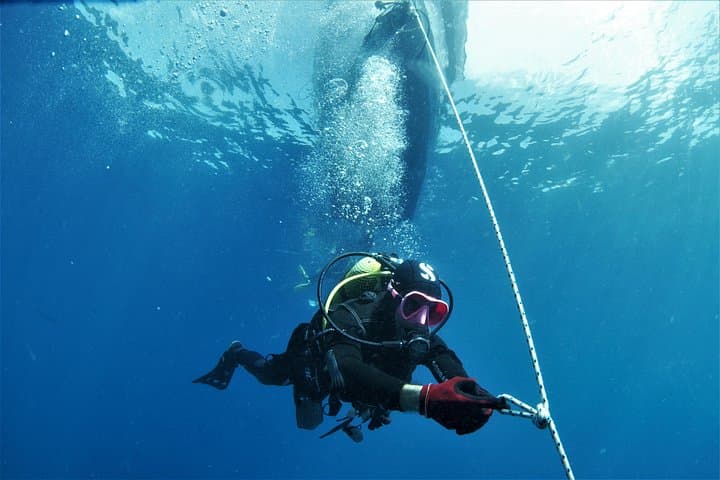
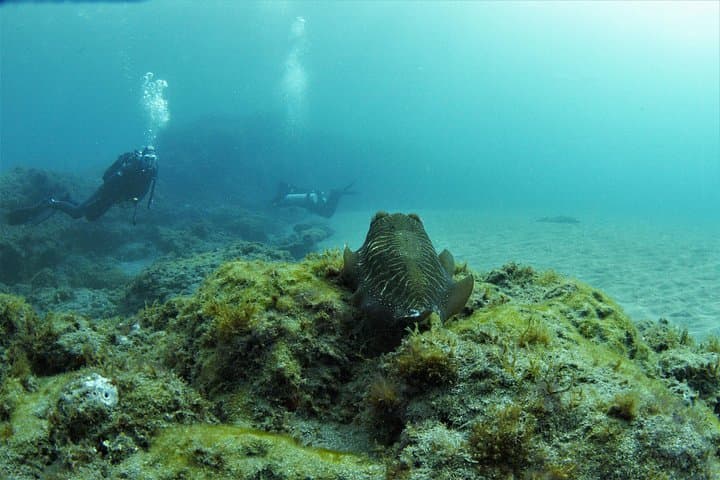
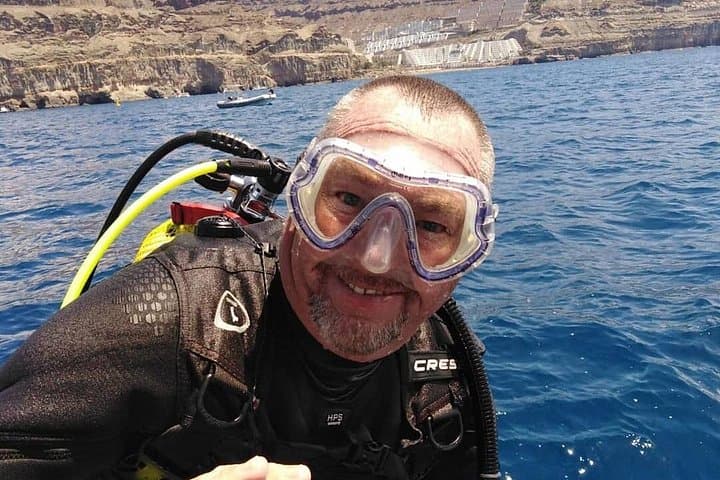
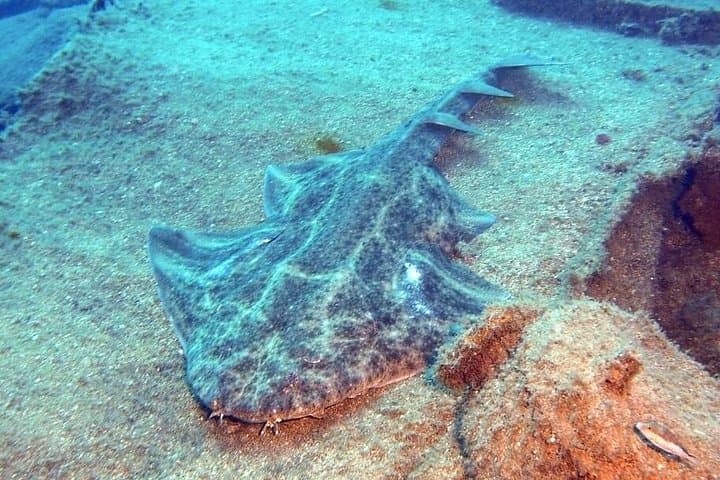
You step off the minibus with salt on your lips and the Atlantic already pulling at your mask strap — three mornings of guided dives around Gran Canaria begin at a compact local dive centre, paperwork first, then gear checks. Boats or short shore walks take you to shallow reefs, volcanic pinnacles and the occasional wreck, with two dives each morning and afternoons free to sort photos and rinse suits.
You step off the minibus with salt on your lips and the Atlantic already pulling at your mask strap — three mornings of guided dives around Gran Canaria begin at a compact local dive centre, paperwork first, then gear checks. Boats or short shore walks take you to shallow reefs, volcanic pinnacles and the occasional wreck, with two dives each morning and afternoons free to sort photos and rinse suits.
Gran Canaria’s landscape is volcanic: black basalt cliffs, submarine lava ridges and sand channels create abrupt drop-offs and sheltered reef gardens. The islands’ maritime culture grows from a long history of fishing and transatlantic trade; local ports like Arguineguín and Puerto de Mogán still hum with that working-sea rhythm. Many dive sites fall inside or near protected zones such as El Cabron marine reserve, where rules limit damage and support healthy fish populations.
Expect visibility from 10–25m depending on swell, water temps around 18–23°C seasonally, and shore or boat entries tailored to certification levels. Guides pick sites to match experience — wrecks commonly require intermediate certification while sheltered reefs suit Open Water divers.
Practical guidance: arrive hydrated and rested for the early check-in (around 08:30), bring your certification card and logbook, and confirm whether a dive computer is required. Pack a 3–5mm wetsuit in summer and 5–7mm in winter, use reef-safe sunscreen, and secure camera gear to avoid losing it on descents. Briefings are standard; follow guide depths and air-management rules — three days, six dives, and a clear progression through the island’s marine variety.