THE ADVENTURE COLLECTIVE® · Independent discovery and booking for outdoor travel
Explore Gran Canaria’s volcanic interior, panoramic peaks and quiet villages on a small‑group day tour with native guides. Expect short walks, local food, and stops at Pico de las Nieves, Tejeda and volcanic craters.
Explore Gran Canaria’s volcanic interior, panoramic peaks and quiet villages on a small‑group day tour with native guides. Expect short walks, local food, and stops at Pico de las Nieves, Tejeda and volcanic craters.
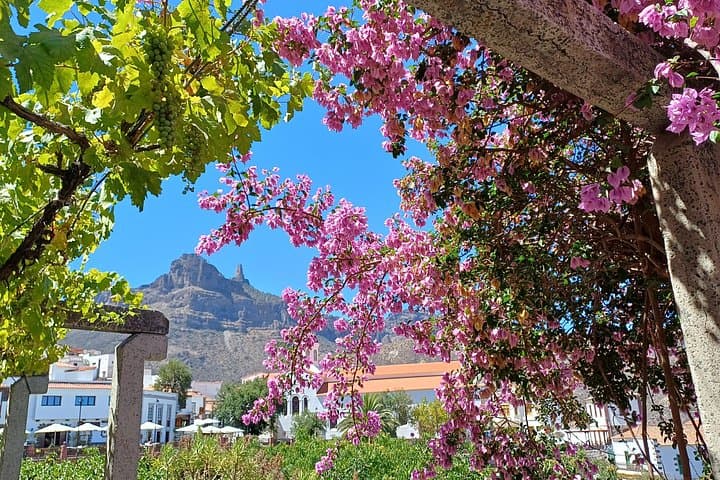
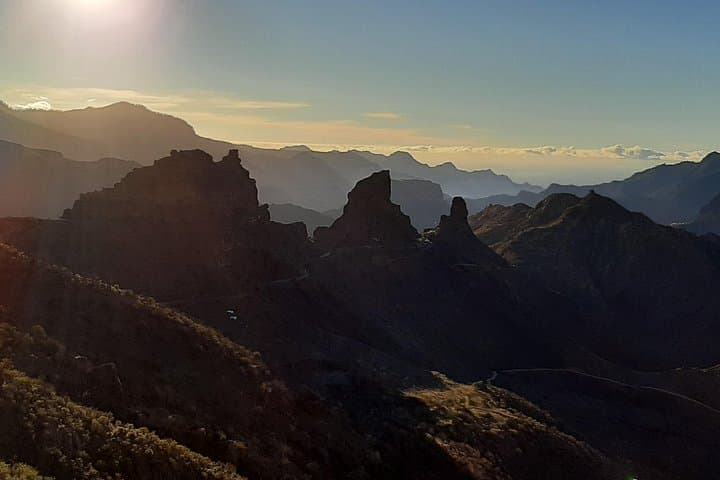
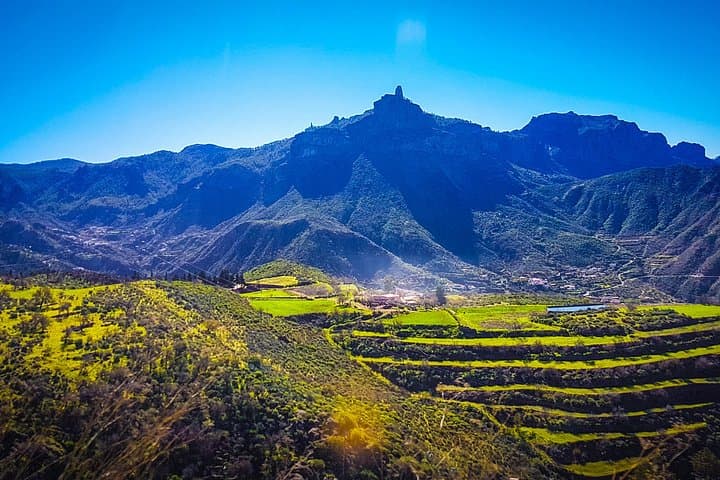
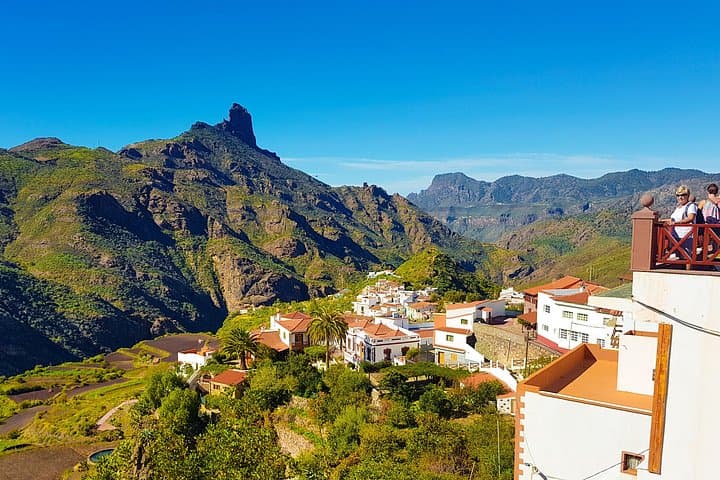
You step out of the air‑conditioned van into thin, cool mountain air and the island opens: terraced slopes, volcanic rock warmed by the sun, and a coastline folding away toward the Atlantic. Two local guides set the rhythm—pointing out a basalt ridge, opening a map of Guanche place names, and steering you onto quiet switchbacks where the island feels unexpectedly large.
Verified experiences and guided adventures in the surrounding area.
Operated by Sky Rebels · Maspalomas, Las Palmas
You step out of the air‑conditioned van into thin, cool mountain air and the island opens: terraced slopes, volcanic rock warmed by the sun, and a coastline folding away toward the Atlantic. Two local guides set the rhythm—pointing out a basalt ridge, opening a map of Guanche place names, and steering you onto quiet switchbacks where the island feels unexpectedly large.
Gran Canaria’s interior is a story of fire and water. Millennia of eruptions carved craters and shaped peaks like Pico de las Nieves; later humans—the Guanche people—left petroglyphs and place names that still mark the landscape. The island’s designation as a UNESCO Biosphere Reserve reflects its geological contrasts: arid dunes at Maspalomas, pine forests higher up, and cultivated villages like Tejeda that grew from volcanic soils.
Culturally, the tour blends viewpoints and village life—stop for a local picnic, meet artisans selling Canarian cheese, and watch goats trace narrow paths. Expect short walks, panoramic overlooks (Roque Nublo and Roque Bentayga dominate the skyline), and a visit to volcanic craters and the valley of 1,000 palms.
Practically: the loop is a 6–7 hour day with vehicle transfers—no technical hiking required but plan for sharp sun, sudden wind at high points, and uneven village lanes. Bring layered clothing, sturdy shoes for brief walks, and reusable water. Guides keep groups small (max six), avoid tourist traps, and balance driving with hands‑on local stops—making this a compact, efficient way to understand Gran Canaria’s wild heart and cultivated villages.
Pickups are from designated points in Maspalomas; the tour runs approximately 6–7 hours including transport and stops.
No technical hikes—short walks and viewpoints with some uneven surfaces; the trip is suitable for most fitness levels.
Yes—a local picnic with sandwich, fruit, chocolate and bottled water is included.
Shared groups are limited to a maximum of six passengers; private options depend on operator availability.
Sky Rebels operates guided outdoor trips and adventures with an emphasis on safety, stewardship, and memorable experiences.
You step out of the air‑conditioned van into thin, cool mountain air and the island opens: terraced slopes, volcanic rock warmed by the sun, and a coastline folding away toward the Atlantic. Two local guides set the rhythm—pointing out a basalt ridge, opening a map of Guanche place names, and steering you onto quiet switchbacks where the island feels unexpectedly large.
You step out of the air‑conditioned van into thin, cool mountain air and the island opens: terraced slopes, volcanic rock warmed by the sun, and a coastline folding away toward the Atlantic. Two local guides set the rhythm—pointing out a basalt ridge, opening a map of Guanche place names, and steering you onto quiet switchbacks where the island feels unexpectedly large.
Gran Canaria’s interior is a story of fire and water. Millennia of eruptions carved craters and shaped peaks like Pico de las Nieves; later humans—the Guanche people—left petroglyphs and place names that still mark the landscape. The island’s designation as a UNESCO Biosphere Reserve reflects its geological contrasts: arid dunes at Maspalomas, pine forests higher up, and cultivated villages like Tejeda that grew from volcanic soils.
Culturally, the tour blends viewpoints and village life—stop for a local picnic, meet artisans selling Canarian cheese, and watch goats trace narrow paths. Expect short walks, panoramic overlooks (Roque Nublo and Roque Bentayga dominate the skyline), and a visit to volcanic craters and the valley of 1,000 palms.
Practically: the loop is a 6–7 hour day with vehicle transfers—no technical hiking required but plan for sharp sun, sudden wind at high points, and uneven village lanes. Bring layered clothing, sturdy shoes for brief walks, and reusable water. Guides keep groups small (max six), avoid tourist traps, and balance driving with hands‑on local stops—making this a compact, efficient way to understand Gran Canaria’s wild heart and cultivated villages.
