THE ADVENTURE COLLECTIVE® · Independent discovery and booking for outdoor travel

A focused two-hour walking tour that winds through Granada’s Albayzín and Sacromonte neighborhoods. Expect steep cobbles, panoramic miradors and authentic cave flamenco insights guided by a local expert.
A focused two-hour walking tour that winds through Granada’s Albayzín and Sacromonte neighborhoods. Expect steep cobbles, panoramic miradors and authentic cave flamenco insights guided by a local expert.
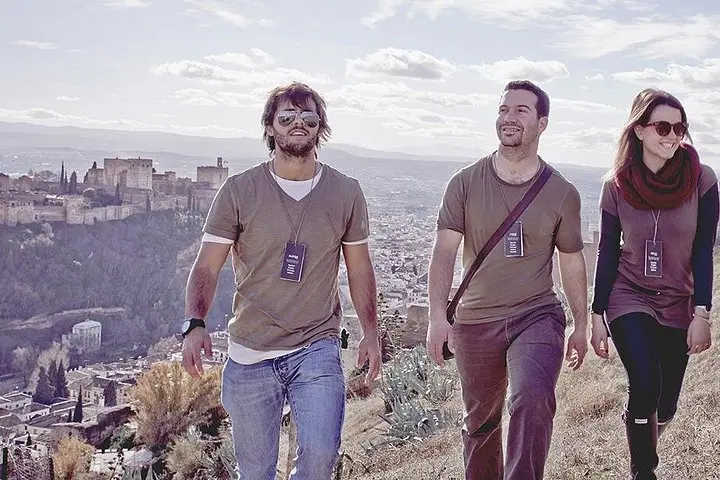
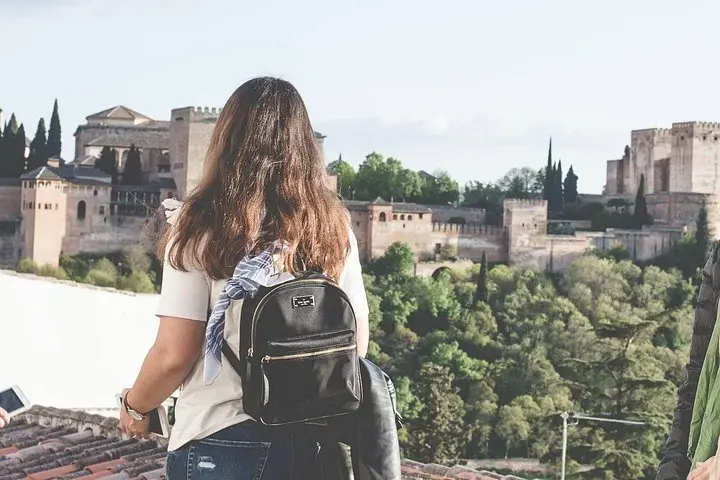
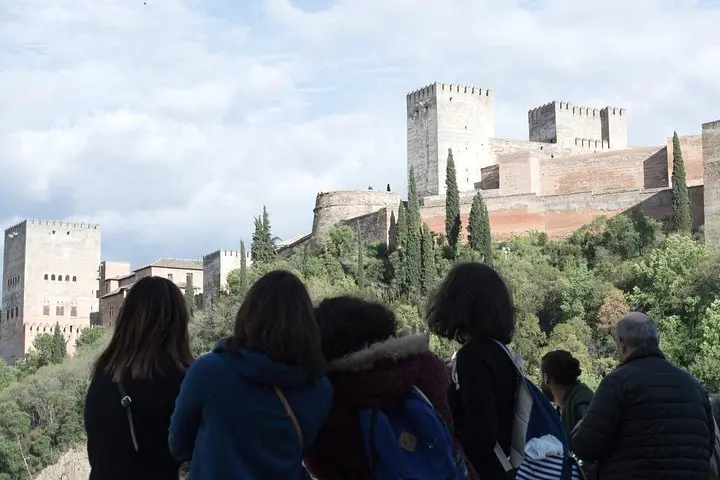
You round the last cobbled lane and the city opens: white houses stacked like pages, the Alhambra sitting high and compact against the Sierra Nevada. The guide pauses at a mirador; wind teases at your jacket and the city exhales below. This two-hour walk threads the narrow alleys of the Albayzín before slipping into Sacromonte’s carved caves where flamenco still lives in low-lit rooms.
Verified experiences and guided adventures in the surrounding area.
Operated by Play Granada · Granada, Andalusia
You round the last cobbled lane and the city opens: white houses stacked like pages, the Alhambra sitting high and compact against the Sierra Nevada. The guide pauses at a mirador; wind teases at your jacket and the city exhales below. This two-hour walk threads the narrow alleys of the Albayzín before slipping into Sacromonte’s carved caves where flamenco still lives in low-lit rooms.
Granada’s Albayzín grew under Muslim rule as a dense medieval quarter, its streets shaped by centuries of human movement and the slopes of volcanic terraces below the hills. Sacromonte, historically a Roma enclave, is built on softer tuff and sand—geology that made cave dwellings practical and, later, theatrical. Expect stories about Morisco life, 19th-century romanticism, and the modern revival of zambra and flamenco culture.
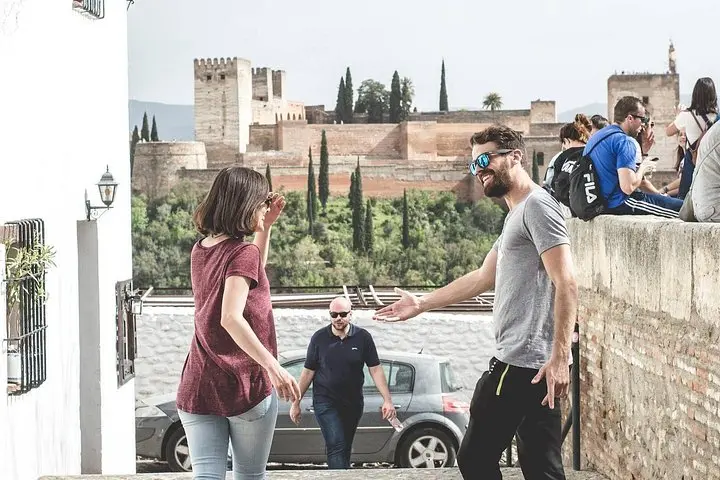
Cultural rhythms are immediate: local teashops on Calderería, the slow clack of tapas service near Plaza Larga, and night-time guitar that seems to come from the rock itself. Photography is rewarding at Mirador de San Nicolás and quieter at Carmen de los Mártires.
Practical guidance: the route is steep and paved with uneven stone—sturdy shoes matter. Start late afternoon to catch softer light and cooler air; bring water and a light layer for wind. Public transit reaches Plaza Nueva; the meeting point is a short walk from the cathedral. Respect private homes and cave venues—many are still lived-in or active performance spaces. The walk is compact, rich in viewpoints and local color, and designed to give a focused, authentic introduction to two of Granada’s most human neighborhoods.
The tour lasts about two hours and covers roughly 2–3 kilometers across steep, cobbled streets with several short stops.
Children can participate but strollers are only practical on parts of the route due to steps and narrow alleys; a carrier may be better for infants.
This tour provides cultural context at cave sites but typically does not include a full flamenco performance—separate shows can be booked locally in the evening.
Meeting is at the Play Granada office by Plaza Nueva/Santa Ana Church; the area is restricted to buses and taxis, with private parking (San Agustin Parking) a 5–10 minute walk away.
Play Granada operates guided outdoor trips and adventures with an emphasis on safety, stewardship, and memorable experiences.
You round the last cobbled lane and the city opens: white houses stacked like pages, the Alhambra sitting high and compact against the Sierra Nevada. The guide pauses at a mirador; wind teases at your jacket and the city exhales below. This two-hour walk threads the narrow alleys of the Albayzín before slipping into Sacromonte’s carved caves where flamenco still lives in low-lit rooms.
You round the last cobbled lane and the city opens: white houses stacked like pages, the Alhambra sitting high and compact against the Sierra Nevada. The guide pauses at a mirador; wind teases at your jacket and the city exhales below. This two-hour walk threads the narrow alleys of the Albayzín before slipping into Sacromonte’s carved caves where flamenco still lives in low-lit rooms.
Granada’s Albayzín grew under Muslim rule as a dense medieval quarter, its streets shaped by centuries of human movement and the slopes of volcanic terraces below the hills. Sacromonte, historically a Roma enclave, is built on softer tuff and sand—geology that made cave dwellings practical and, later, theatrical. Expect stories about Morisco life, 19th-century romanticism, and the modern revival of zambra and flamenco culture.
Cultural rhythms are immediate: local teashops on Calderería, the slow clack of tapas service near Plaza Larga, and night-time guitar that seems to come from the rock itself. Photography is rewarding at Mirador de San Nicolás and quieter at Carmen de los Mártires.
Practical guidance: the route is steep and paved with uneven stone—sturdy shoes matter. Start late afternoon to catch softer light and cooler air; bring water and a light layer for wind. Public transit reaches Plaza Nueva; the meeting point is a short walk from the cathedral. Respect private homes and cave venues—many are still lived-in or active performance spaces. The walk is compact, rich in viewpoints and local color, and designed to give a focused, authentic introduction to two of Granada’s most human neighborhoods.