THE ADVENTURE COLLECTIVE® · Independent discovery and booking for outdoor travel

Walk Granada’s colonial grid, climb La Polvora for sweeping views of Mombacho, and drift to the outskirts by horse carriage. This 2–3 hour tour pairs architectural history with local color and practical, easy-paced exploration.
Walk Granada’s colonial grid, climb La Polvora for sweeping views of Mombacho, and drift to the outskirts by horse carriage. This 2–3 hour tour pairs architectural history with local color and practical, easy-paced exploration.
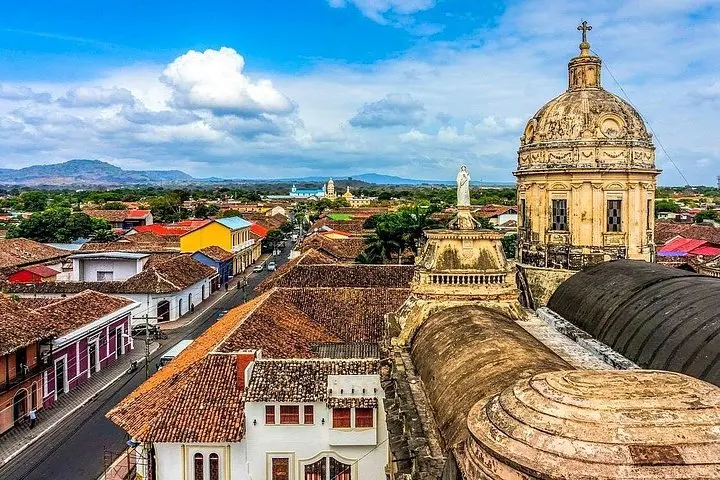
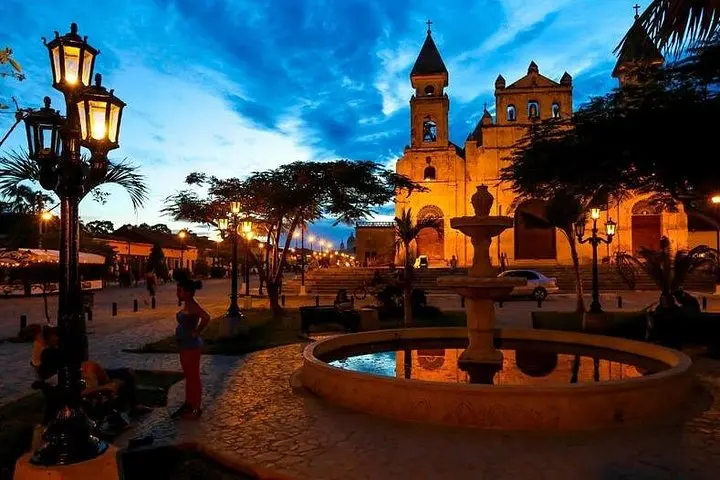
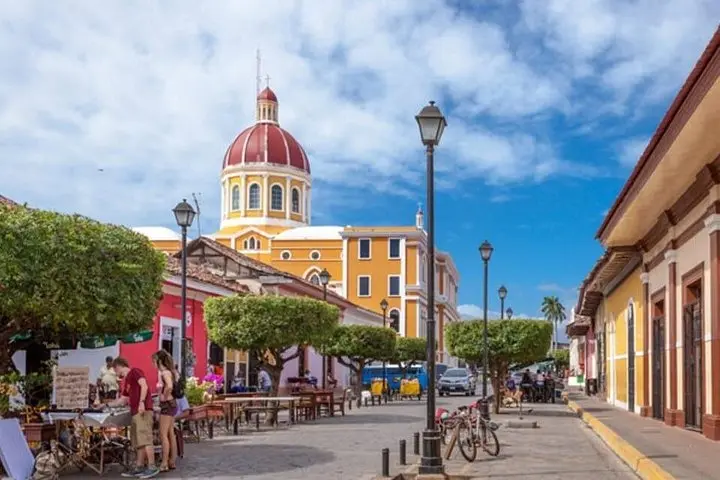
A warm, sunlit plaza opens before you: painted facades, horse hooves clopping on cobblestones, and the brooding silhouette of Volcán Mombacho rising beyond the clay roofs. The tour begins with a pedestrian pulse through Granada’s main arteries, where the air smells of frying corn and coffee and the city’s layered past is visible in shuttered balconies and heavy wooden doors.
Verified experiences and guided adventures in the surrounding area.
Operated by Nica Up Travel · Granada, Granada Department
A warm, sunlit plaza opens before you: painted facades, horse hooves clopping on cobblestones, and the brooding silhouette of Volcán Mombacho rising beyond the clay roofs. The tour begins with a pedestrian pulse through Granada’s main arteries, where the air smells of frying corn and coffee and the city’s layered past is visible in shuttered balconies and heavy wooden doors.
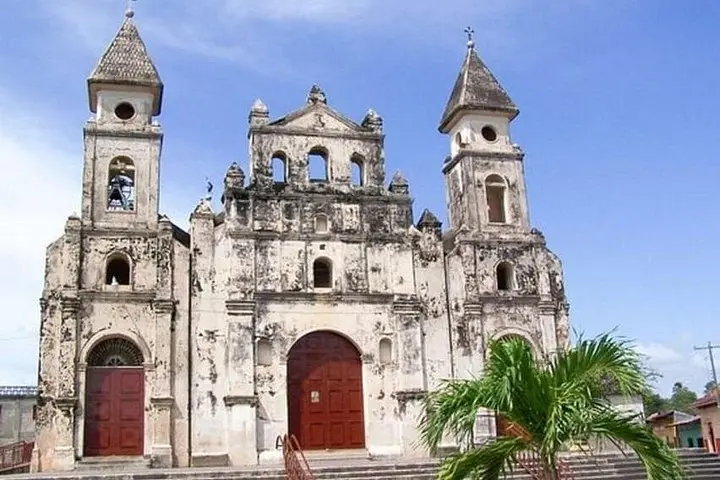
Founded in 1524 by Francisco Hernández de Córdoba as the first Spanish city in the New World, Granada was built as a model colonial settlement and repeatedly rebuilt after pirate raids, fires, and filibuster attacks. Stone and stucco speak to Spanish urban planning; Convento San Francisco — one of Central America’s oldest churches — anchors the religious heritage, while La Merced’s bell tower and the earthen ramparts of Fortaleza La Polvora offer viewpoints over the isletas and the slopes of Mombacho, the volcanic massif that shaped the region’s soils and views.
The rhythm alternates between walking and a gentle horse-carriage ride to pastoral outskirts, giving travelers close-up evenings with local life: markets, café front stoops, and artisans at work.
Practicals: the route is easy-paced (2–3 hours) on mostly flat cobbles with short stair sections; wear supportive shoes and bring sun protection and water. Expect English-speaking guides, included entrance fees, and hotel pickup. Plan for afternoon heat — mornings are cooler for photography — and carry small bills for tips and local vendors. This blend of architecture, history, and volcanic backdrop rewards curious travelers who want a compact, sensory introduction to Granada.
Yes — pickup from centrally located Granada hotels is included; your booking will ask for a pickup point.
Entrance fees, an English-speaking guide, and the horse carriage ride are included in the tour price.
Yes — the pace is easy and suitable for most ages, though cobbles and brief stairs may be challenging for some mobility constraints.
The operator may cancel for heavy rain or unsafe conditions; full refunds are available if canceled at least 24 hours before departure.
Nica Up Travel operates guided outdoor trips and adventures with an emphasis on safety, stewardship, and memorable experiences.
A warm, sunlit plaza opens before you: painted facades, horse hooves clopping on cobblestones, and the brooding silhouette of Volcán Mombacho rising beyond the clay roofs. The tour begins with a pedestrian pulse through Granada’s main arteries, where the air smells of frying corn and coffee and the city’s layered past is visible in shuttered balconies and heavy wooden doors.
A warm, sunlit plaza opens before you: painted facades, horse hooves clopping on cobblestones, and the brooding silhouette of Volcán Mombacho rising beyond the clay roofs. The tour begins with a pedestrian pulse through Granada’s main arteries, where the air smells of frying corn and coffee and the city’s layered past is visible in shuttered balconies and heavy wooden doors.
Founded in 1524 by Francisco Hernández de Córdoba as the first Spanish city in the New World, Granada was built as a model colonial settlement and repeatedly rebuilt after pirate raids, fires, and filibuster attacks. Stone and stucco speak to Spanish urban planning; Convento San Francisco — one of Central America’s oldest churches — anchors the religious heritage, while La Merced’s bell tower and the earthen ramparts of Fortaleza La Polvora offer viewpoints over the isletas and the slopes of Mombacho, the volcanic massif that shaped the region’s soils and views.
The rhythm alternates between walking and a gentle horse-carriage ride to pastoral outskirts, giving travelers close-up evenings with local life: markets, café front stoops, and artisans at work.
Practicals: the route is easy-paced (2–3 hours) on mostly flat cobbles with short stair sections; wear supportive shoes and bring sun protection and water. Expect English-speaking guides, included entrance fees, and hotel pickup. Plan for afternoon heat — mornings are cooler for photography — and carry small bills for tips and local vendors. This blend of architecture, history, and volcanic backdrop rewards curious travelers who want a compact, sensory introduction to Granada.