THE ADVENTURE COLLECTIVE® · Independent discovery and booking for outdoor travel

Spend a single, high‑value day exploring Granada’s lake islets by boat, strolling colonial streets, taking in the Catarina lookout and watching molten rock glow at Masaya. This active, varied tour packs wildlife, history, and volcanic spectacle into one seamless loop.
Spend a single, high‑value day exploring Granada’s lake islets by boat, strolling colonial streets, taking in the Catarina lookout and watching molten rock glow at Masaya. This active, varied tour packs wildlife, history, and volcanic spectacle into one seamless loop.
You push through the morning bustle of Granada and the lake opens up like a living map: slate water dotted with low green islands that seem to bob with secrets. A small boat slips away from the quay, the engine a steady heartbeat, and the guide points to a cluster of trees where a family of howler monkeys lounges—curious faces turning toward you as if deciding whether shore or stranger is the greater surprise.
Verified experiences and guided adventures in the surrounding area.
Operated by Show Me Nicaragua Tours · Granada, Granada Department
You push through the morning bustle of Granada and the lake opens up like a living map: slate water dotted with low green islands that seem to bob with secrets. A small boat slips away from the quay, the engine a steady heartbeat, and the guide points to a cluster of trees where a family of howler monkeys lounges—curious faces turning toward you as if deciding whether shore or stranger is the greater surprise.
This compact, full‑day circuit threads four different faces of Nicaragua into one itinerary. Start on Lake Nicaragua, where the isletas—365 tiny isles born from ancient lava—hold waterbirds, hidden fort ruins, and one famous monkey colony. The boat ride gives you an immediate geology lesson; Mombacho’s broad cone crooks the skyline, reminding you the lake itself is a product of fire and water.
Back in town, a walking tour through Granada’s grid of ochre and honeystone homes traces the city’s Spanish colonial origins from its 1524 founding. La Merced’s bell tower offers a far-reaching vantage point to photograph tiled roofs against distant volcanic ridges. Craft culture follows: at the handicraft market and a local hammock workshop you’ll meet artisans whose techniques reflect the region’s agricultural history and the resurgent small‑scale craft economy.
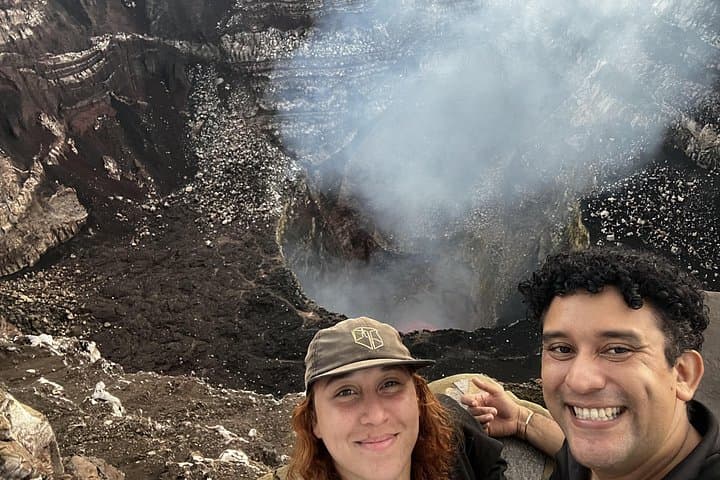
A short drive climbs to Catarina’s mirador, perched on an extinct volcanic rim overlooking Laguna de Apoyo. Here, the air feels cooler and the forest dares you into a short walk among birds and bromeliads. Finally, the day heads to Masaya: at the Santiago crater, the volcano reveals a raw, ongoing process—orange molten rock glowing along a lip that feels dangerously close and utterly elemental.
Practical edge: the tour runs 6–8 hours and moves at a steady clip, so wear supportive shoes and bring sun protection, water, and a small flashlight or headlamp for the crater visit. Weather dictates visibility—dry season offers clearer views of the crater glow and crater rim panoramas; rainy season brings dramatic clouds but muddier trails. Guides often combine sites to optimize light and crowds; listen for timing cues and keep valuables stowed during boat stops.
Safety and respect matter: stay behind barriers at Masaya, don’t feed wildlife on the isletas, and support local vendors directly at markets and workshops. For photographers, early morning on the lake and sunset at the crater deliver the strongest light. For travelers who want a single day that stitches wildlife, history, culture, and raw geology into a manageable loop, this is efficient, sensory, and unpretentiously powerful.
Yes—visitors view the Santiago crater from designated, secured viewpoints with guides. Always follow instructions and do not cross barriers.
Lunch is typically not included; guides will stop on La Calzada where you can choose local restaurants—carry cash for quicker service.
Children can join but must be supervised, especially at the boat and volcano rim; operators note it’s suitable for all fitness levels.
Pickup from Managua hotels or the airport is offered; expect about 45–60 minutes driving each way depending on traffic.
Guides are generally bilingual (Spanish and English), but confirm when booking if you require another language.
Smart casual is suggested; comfortable shoes and modest attire are fine, and shopping is best done with small bills for bargaining.
Show Me Nicaragua Tours operates guided outdoor trips and adventures with an emphasis on safety, stewardship, and memorable experiences.



You push through the morning bustle of Granada and the lake opens up like a living map: slate water dotted with low green islands that seem to bob with secrets. A small boat slips away from the quay, the engine a steady heartbeat, and the guide points to a cluster of trees where a family of howler monkeys lounges—curious faces turning toward you as if deciding whether shore or stranger is the greater surprise.
You push through the morning bustle of Granada and the lake opens up like a living map: slate water dotted with low green islands that seem to bob with secrets. A small boat slips away from the quay, the engine a steady heartbeat, and the guide points to a cluster of trees where a family of howler monkeys lounges—curious faces turning toward you as if deciding whether shore or stranger is the greater surprise.
This compact, full‑day circuit threads four different faces of Nicaragua into one itinerary. Start on Lake Nicaragua, where the isletas—365 tiny isles born from ancient lava—hold waterbirds, hidden fort ruins, and one famous monkey colony. The boat ride gives you an immediate geology lesson; Mombacho’s broad cone crooks the skyline, reminding you the lake itself is a product of fire and water.
Back in town, a walking tour through Granada’s grid of ochre and honeystone homes traces the city’s Spanish colonial origins from its 1524 founding. La Merced’s bell tower offers a far-reaching vantage point to photograph tiled roofs against distant volcanic ridges. Craft culture follows: at the handicraft market and a local hammock workshop you’ll meet artisans whose techniques reflect the region’s agricultural history and the resurgent small‑scale craft economy.
A short drive climbs to Catarina’s mirador, perched on an extinct volcanic rim overlooking Laguna de Apoyo. Here, the air feels cooler and the forest dares you into a short walk among birds and bromeliads. Finally, the day heads to Masaya: at the Santiago crater, the volcano reveals a raw, ongoing process—orange molten rock glowing along a lip that feels dangerously close and utterly elemental.
Practical edge: the tour runs 6–8 hours and moves at a steady clip, so wear supportive shoes and bring sun protection, water, and a small flashlight or headlamp for the crater visit. Weather dictates visibility—dry season offers clearer views of the crater glow and crater rim panoramas; rainy season brings dramatic clouds but muddier trails. Guides often combine sites to optimize light and crowds; listen for timing cues and keep valuables stowed during boat stops.
Safety and respect matter: stay behind barriers at Masaya, don’t feed wildlife on the isletas, and support local vendors directly at markets and workshops. For photographers, early morning on the lake and sunset at the crater deliver the strongest light. For travelers who want a single day that stitches wildlife, history, culture, and raw geology into a manageable loop, this is efficient, sensory, and unpretentiously powerful.