THE ADVENTURE COLLECTIVE® · Independent discovery and booking for outdoor travel

A focused three-hour walking tour through Granada's historic core—Albaicín, the city center and Sacromonte—offering layered history, striking Alhambra views, and steep cobbled lanes. Ideal for travelers with moderate fitness and a taste for cultural stories told on foot.
A focused three-hour walking tour through Granada's historic core—Albaicín, the city center and Sacromonte—offering layered history, striking Alhambra views, and steep cobbled lanes. Ideal for travelers with moderate fitness and a taste for cultural stories told on foot.
You step out of the plaza into a tangle of cobbled alleys, the city breathing around you: pigeons wheel above a pale stone façade, and a distant river dares you toward the Paseo de los Tristes. This three-hour walking tour threads Granada's living history—from the bustle of the central market lanes to the steep lanes of the Albaicín and the cave-lined terraces of Sacromonte.
Verified experiences and guided adventures in the surrounding area.
Operated by Alhambraoficial · Granada, Andalusia
You step out of the plaza into a tangle of cobbled alleys, the city breathing around you: pigeons wheel above a pale stone façade, and a distant river dares you toward the Paseo de los Tristes. This three-hour walking tour threads Granada's living history—from the bustle of the central market lanes to the steep lanes of the Albaicín and the cave-lined terraces of Sacromonte.
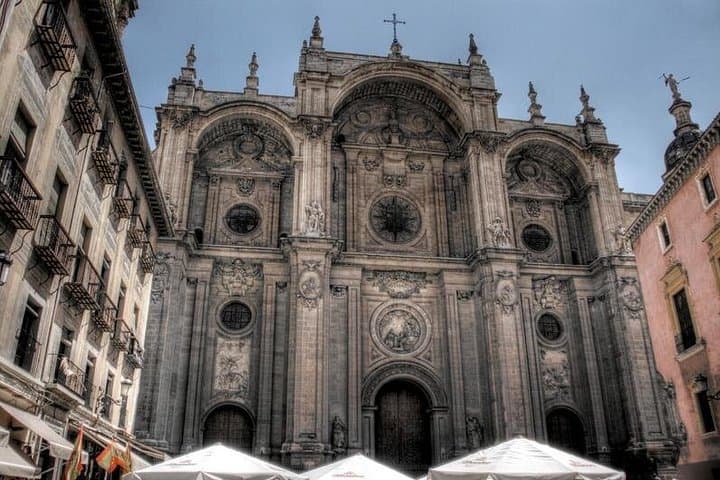
Granada was the final Muslim stronghold on the Iberian Peninsula; the Nasrid legacy is visible in the layout of streets that funnel views toward the Alhambra and the Sierra Nevada beyond. Geology shifts subtly as you climb: soft limestone cut into terraces, riverbeds shaping the narrow valleys below. Culture here is layered: Mudejar art, baroque cathedral façades, and Roma cave-house communities in Sacromonte carrying flamenco traditions.
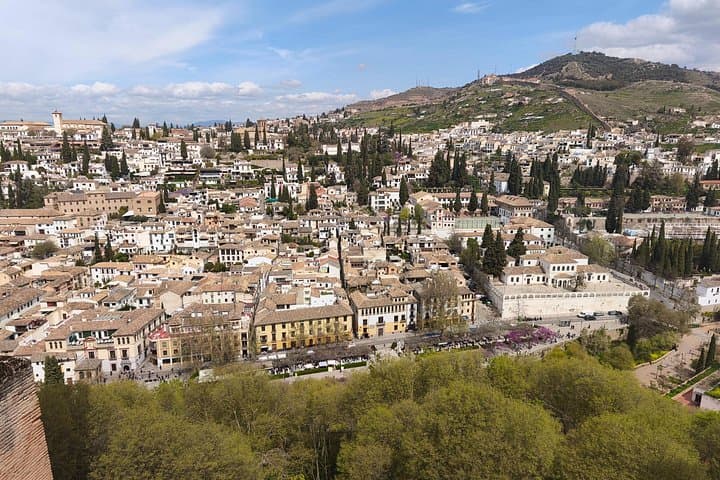
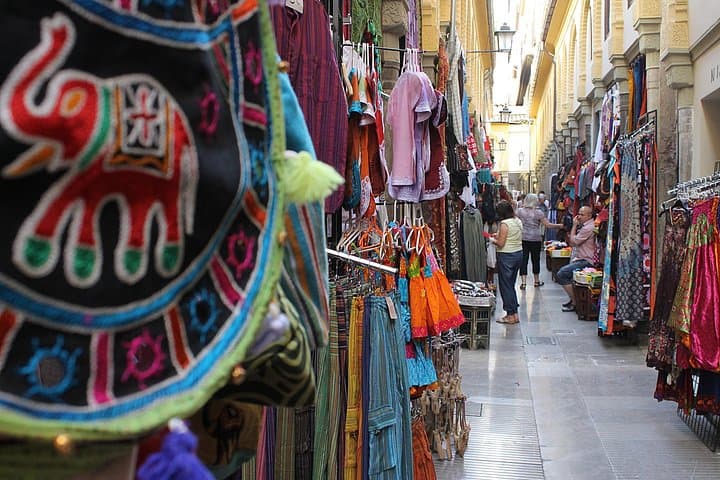
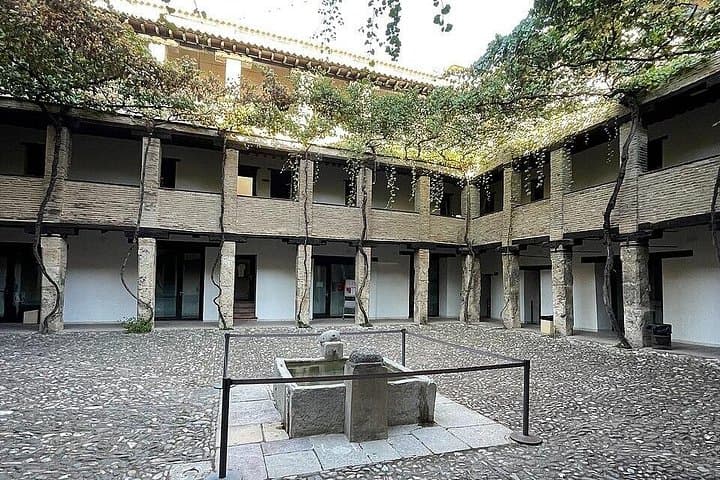
Expect uneven cobbles, staircases, and short steep gains—this is urban hiking as much as it is a history lesson. The guide will point out less-known details: the medieval Corral del Carbón, the teterías of La Calderería, and the panoramic Mirador de San Nicolás where the Alhambra dominates the skyline.
Practical guidance: meet at the town hall square; bring a filled water bottle, sun protection in summer, and grippy shoes year-round. Small groups may get audio headsets; groups over seven typically use a system. The route is unsuitable for wheelchairs and limited for strollers due to steps. Start in the morning or early evening for softer light and cooler air. Respect small neighborhoods—keep noise low and leave no trace. This is a compact, sensory walk through centuries of contested space; it rewards attention and steady feet.
The tour meets at the town hall square in central Granada and follows a loop through the city center, Albaicín and Sacromonte, returning near Plaza Nueva or a central landmark.
No; many narrow alleys, cobbled streets and staircases make the route unsuitable for wheelchairs and difficult for strollers.
Guides typically operate in the local language and English; check booking details or request language options in advance.
Full refunds are generally available if you cancel at least 24 hours before departure—confirm specific terms at booking.
Alhambraoficial operates guided outdoor trips and adventures with an emphasis on safety, stewardship, and memorable experiences.
You step out of the plaza into a tangle of cobbled alleys, the city breathing around you: pigeons wheel above a pale stone façade, and a distant river dares you toward the Paseo de los Tristes. This three-hour walking tour threads Granada's living history—from the bustle of the central market lanes to the steep lanes of the Albaicín and the cave-lined terraces of Sacromonte.
You step out of the plaza into a tangle of cobbled alleys, the city breathing around you: pigeons wheel above a pale stone façade, and a distant river dares you toward the Paseo de los Tristes. This three-hour walking tour threads Granada's living history—from the bustle of the central market lanes to the steep lanes of the Albaicín and the cave-lined terraces of Sacromonte.
Granada was the final Muslim stronghold on the Iberian Peninsula; the Nasrid legacy is visible in the layout of streets that funnel views toward the Alhambra and the Sierra Nevada beyond. Geology shifts subtly as you climb: soft limestone cut into terraces, riverbeds shaping the narrow valleys below. Culture here is layered: Mudejar art, baroque cathedral façades, and Roma cave-house communities in Sacromonte carrying flamenco traditions.
Expect uneven cobbles, staircases, and short steep gains—this is urban hiking as much as it is a history lesson. The guide will point out less-known details: the medieval Corral del Carbón, the teterías of La Calderería, and the panoramic Mirador de San Nicolás where the Alhambra dominates the skyline.
Practical guidance: meet at the town hall square; bring a filled water bottle, sun protection in summer, and grippy shoes year-round. Small groups may get audio headsets; groups over seven typically use a system. The route is unsuitable for wheelchairs and limited for strollers due to steps. Start in the morning or early evening for softer light and cooler air. Respect small neighborhoods—keep noise low and leave no trace. This is a compact, sensory walk through centuries of contested space; it rewards attention and steady feet.