THE ADVENTURE COLLECTIVE® · Independent discovery and booking for outdoor travel

Soar the Dragon Corridor and gaze into the North Canyon from a Bell helicopter, then extend the experience with an open-air Hummer tour along the South Rim. Expect aerial drama, strict weight rules, and a guided 2-hour rim drive if you pick the upgrade.
Soar the Dragon Corridor and gaze into the North Canyon from a Bell helicopter, then extend the experience with an open-air Hummer tour along the South Rim. Expect aerial drama, strict weight rules, and a guided 2-hour rim drive if you pick the upgrade.
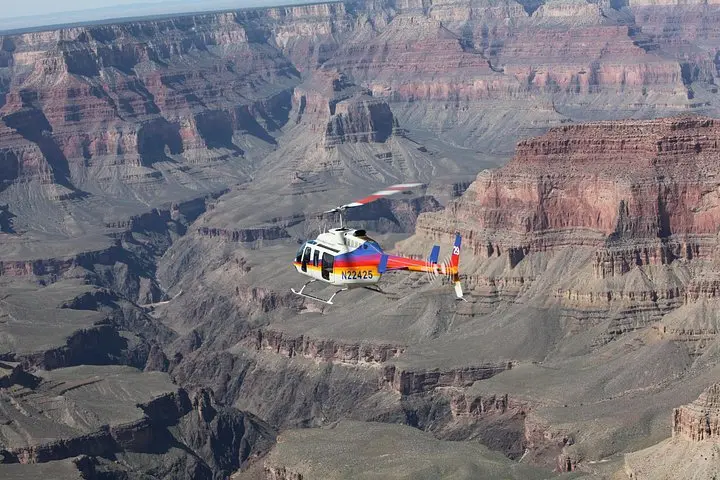
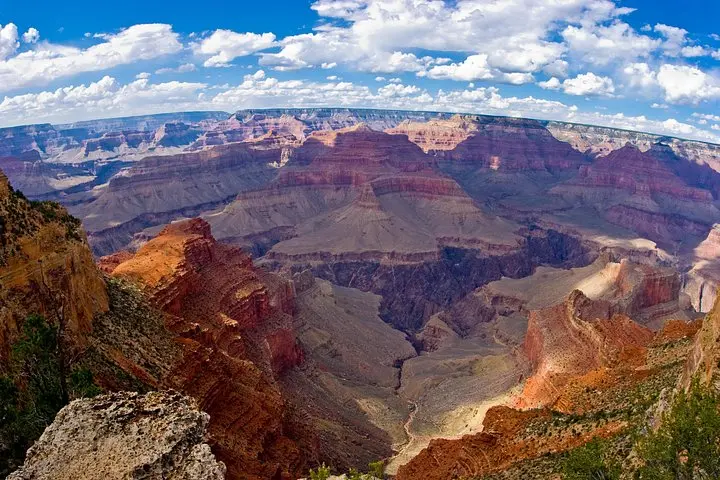
You lift off from the Grand Canyon Airport and the rim falls away beneath the rotorwash—rock strata unroll like pages and the Colorado River threads the canyon floor. The Bell helicopter slips into the Dragon Corridor, where light sharpens the canyon walls and the Kaibab Forest frays into cliff-edge pines. From above the North Canyon, the scale is immediate: spires, terraces, and the river daring you to trace its course.
Verified experiences and guided adventures in the surrounding area.
Operated by Papillon Helicopters · Tusayan, Arizona
You lift off from the Grand Canyon Airport and the rim falls away beneath the rotorwash—rock strata unroll like pages and the Colorado River threads the canyon floor. The Bell helicopter slips into the Dragon Corridor, where light sharpens the canyon walls and the Kaibab Forest frays into cliff-edge pines. From above the North Canyon, the scale is immediate: spires, terraces, and the river daring you to trace its course.
Human history here is compact but deep. Indigenous peoples have lived in and around the canyon for millennia; later explorers and railroad builders mapped access along the rim. Geologically, the Grand Canyon exposes nearly two billion years of Earth’s crust—red and buff bands that record seas, deserts and volcanic pulses carved by the river over six million years.
Culture around the South Rim is low-key and practical: park rangers, tribal guides, and small-town suppliers in Tusayan offer orientation and permits. Flights are regulated to protect wildlife and soundscapes, so operators follow strict routes and weight limits.
Practical guidance: arrive 30 minutes before departure for check-in, bring government ID, and reconfirm your reservation 24 hours ahead. Expect tight baggage rules—no backpacks on the aircraft—and strict weight/balance policies that may require purchasing an extra seat for guests over 300 lbs. If you upgrade to the Hummer option, plan for an additional two-hour guided rim drive with short, wheelchair-accessible stops at Moran Point and Grandview Point.
Timing matters: morning light sculpts the east walls; late afternoon softens colors but can bring gusts. Hydrate, layer for wind chill at altitude, and have a camera ready—this is one of the few ways to see the canyon’s full sweep in a single, high-adrenaline view.
The flight portion generally lasts about 25–30 minutes, though total tour time varies if you add the Hummer option (approx. 2 additional hours).
Infants under two may fly as lap children with proof of age; specialized infant seats are available for the Hummer portion if selected.
Due to limited space, purses, backpacks and other carry-on baggage are not permitted on the aircraft—store items in your vehicle or leave them behind.
Flights are weather-dependent; operators will cancel for safety and usually offer refunds or rescheduling—confirm the provider’s policy when booking.
Papillon Helicopters operates guided outdoor trips and adventures with an emphasis on safety, stewardship, and memorable experiences.

You lift off from the Grand Canyon Airport and the rim falls away beneath the rotorwash—rock strata unroll like pages and the Colorado River threads the canyon floor. The Bell helicopter slips into the Dragon Corridor, where light sharpens the canyon walls and the Kaibab Forest frays into cliff-edge pines. From above the North Canyon, the scale is immediate: spires, terraces, and the river daring you to trace its course.
You lift off from the Grand Canyon Airport and the rim falls away beneath the rotorwash—rock strata unroll like pages and the Colorado River threads the canyon floor. The Bell helicopter slips into the Dragon Corridor, where light sharpens the canyon walls and the Kaibab Forest frays into cliff-edge pines. From above the North Canyon, the scale is immediate: spires, terraces, and the river daring you to trace its course.
Human history here is compact but deep. Indigenous peoples have lived in and around the canyon for millennia; later explorers and railroad builders mapped access along the rim. Geologically, the Grand Canyon exposes nearly two billion years of Earth’s crust—red and buff bands that record seas, deserts and volcanic pulses carved by the river over six million years.
Culture around the South Rim is low-key and practical: park rangers, tribal guides, and small-town suppliers in Tusayan offer orientation and permits. Flights are regulated to protect wildlife and soundscapes, so operators follow strict routes and weight limits.
Practical guidance: arrive 30 minutes before departure for check-in, bring government ID, and reconfirm your reservation 24 hours ahead. Expect tight baggage rules—no backpacks on the aircraft—and strict weight/balance policies that may require purchasing an extra seat for guests over 300 lbs. If you upgrade to the Hummer option, plan for an additional two-hour guided rim drive with short, wheelchair-accessible stops at Moran Point and Grandview Point.
Timing matters: morning light sculpts the east walls; late afternoon softens colors but can bring gusts. Hydrate, layer for wind chill at altitude, and have a camera ready—this is one of the few ways to see the canyon’s full sweep in a single, high-adrenaline view.