THE ADVENTURE COLLECTIVE® · Independent discovery and booking for outdoor travel

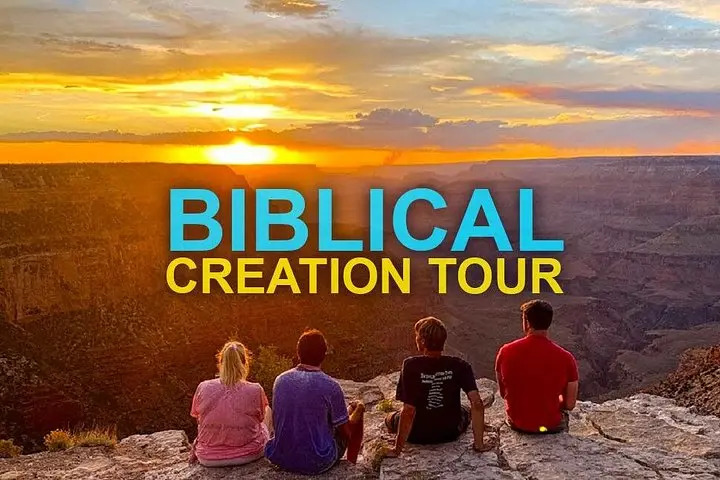
Watch the South Rim change color on a four‑hour sunset drive that pairs panoramic overlooks with guided teachings framed around biblical Creation and the Flood. Ideal for travelers seeking interpretive context without strenuous hiking.
Watch the South Rim change color on a four‑hour sunset drive that pairs panoramic overlooks with guided teachings framed around biblical Creation and the Flood. Ideal for travelers seeking interpretive context without strenuous hiking.
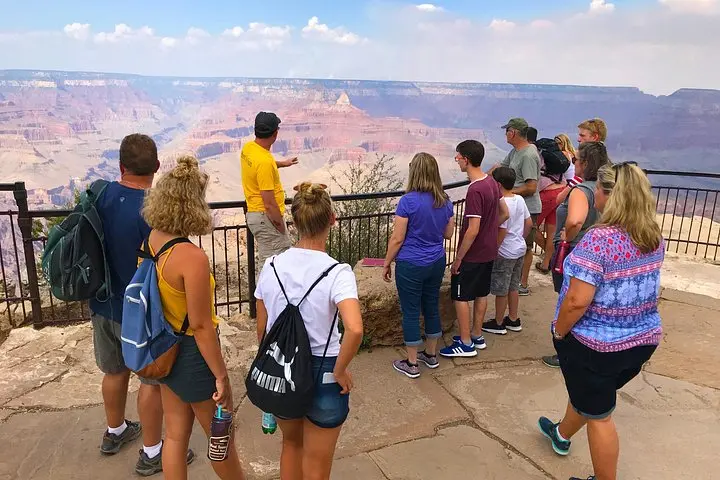
The bus eases away from the Visitor Center flagpole as light thins and the canyon inhales the day. On Desert View Drive the rim rolls out in stage after stage — benches of red rock that seem to rearrange themselves with every mile. Guides move between stops with a quiet authority, inviting guests out of the air‑conditioned vehicle into wind‑cleared overlooks where the canyon breathes and the sun begins to tilt the cliffs into color.
Verified experiences and guided adventures in the surrounding area.
Operated by Canyon Ministries Christian Tours · Grand Canyon Village, Arizona
The bus eases away from the Visitor Center flagpole as light thins and the canyon inhales the day. On Desert View Drive the rim rolls out in stage after stage — benches of red rock that seem to rearrange themselves with every mile. Guides move between stops with a quiet authority, inviting guests out of the air‑conditioned vehicle into wind‑cleared overlooks where the canyon breathes and the sun begins to tilt the cliffs into color.
On this four‑hour drive, the narrative blends landscape and belief. Guides frame the geology and human history of the South Rim through the lens of a biblical creation model: explanations of the Flood, lake spillover events, and the Great Unconformity appear alongside conventional interpretations of erosion and uplift. Stops typically include Grandview Point, Lipan Point and Desert View, each chosen not only for vertical drama but for vantage points where rock layers read like pages in Earth’s storybook.
Geologically, the South Rim is a classroom. Tapeats Sandstone, Bright Angel Shale and Kaibab Limestone stack across time; at Lipan Point the incision of the Colorado River and the distant flash of rapids below make the canyon’s scale tangible. Culturally, the rim carries more than rocks. Ancestral Puebloan sites once lay deep below; the Desert View Watchtower, completed in 1932 by architect Mary Colter, stands as a reminder of early‑20th‑century efforts to frame the canyon for visitors.
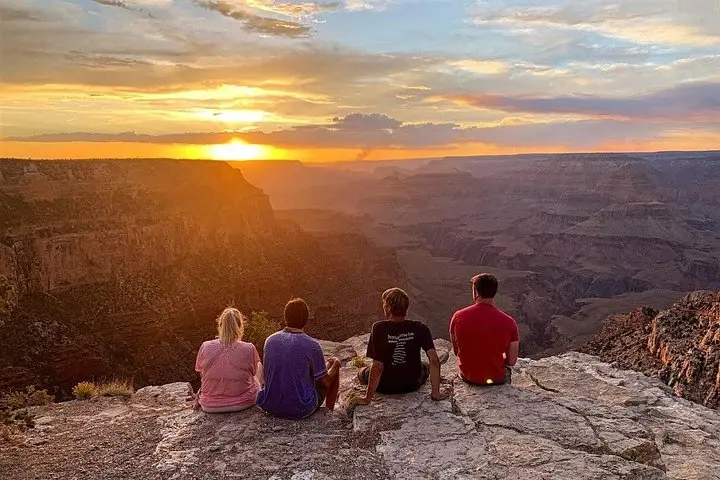
The tour’s rhythm is practical and contemplative. Leaders alternate short talks with open time to absorb the view: binoculars come out, cameras click, and blankets are offered as temperatures dip. As the sun drops, shadows push across the inner canyon and the sky—like a hand—paints the rim in layered oranges and purples. The guide closes with a short reflection and returns the group to the Visitor Center roughly 30 minutes after sunset.
Practicalities matter here. The tour does not include park entry; plan for gate fees or use a National Park Pass. Arrive early in spring and summer—entry lines can add an hour. Footing at overlooks is uneven and often rocky; short walks from pullouts expect simple terrain but uneven surfaces. The operator provides bottled water, blankets and binoculars, but guests should bring layers, sun protection, and a camera battery charged for low‑light shots. The vehicle can be a welcome refuge if cold winds sweep the rim.
For travelers who want a short, interpretation‑rich experience of the South Rim at its most cinematic, this sunset drive delivers accessible views, informed conversation, and a chance to watch the canyon change mood as day becomes night.
Yes—the tour price does not include Grand Canyon National Park entry; pay at the gate or use an annual/interagency pass.
Meet at the flagpole just outside the Grand Canyon National Park Visitor Center inside the park; the guide checks names rather than tickets.
No—weather can obscure sunset; tours may be adjusted or canceled in poor conditions, and refunds apply if canceled 24 hours prior.
Yes—this tour is family‑friendly and accessible to most ages, though short walks are required and strollers are impractical at some overlooks.
The operator supplies bottled water and blankets; feel free to bring your own for extra warmth or comfort.
Guides have flexibility to respond to group interest—ask questions and they will tailor explanations and stops when possible.
Canyon Ministries Christian Tours operates guided outdoor trips and adventures with an emphasis on safety, stewardship, and memorable experiences.

The bus eases away from the Visitor Center flagpole as light thins and the canyon inhales the day. On Desert View Drive the rim rolls out in stage after stage — benches of red rock that seem to rearrange themselves with every mile. Guides move between stops with a quiet authority, inviting guests out of the air‑conditioned vehicle into wind‑cleared overlooks where the canyon breathes and the sun begins to tilt the cliffs into color.
The bus eases away from the Visitor Center flagpole as light thins and the canyon inhales the day. On Desert View Drive the rim rolls out in stage after stage — benches of red rock that seem to rearrange themselves with every mile. Guides move between stops with a quiet authority, inviting guests out of the air‑conditioned vehicle into wind‑cleared overlooks where the canyon breathes and the sun begins to tilt the cliffs into color.
On this four‑hour drive, the narrative blends landscape and belief. Guides frame the geology and human history of the South Rim through the lens of a biblical creation model: explanations of the Flood, lake spillover events, and the Great Unconformity appear alongside conventional interpretations of erosion and uplift. Stops typically include Grandview Point, Lipan Point and Desert View, each chosen not only for vertical drama but for vantage points where rock layers read like pages in Earth’s storybook.
Geologically, the South Rim is a classroom. Tapeats Sandstone, Bright Angel Shale and Kaibab Limestone stack across time; at Lipan Point the incision of the Colorado River and the distant flash of rapids below make the canyon’s scale tangible. Culturally, the rim carries more than rocks. Ancestral Puebloan sites once lay deep below; the Desert View Watchtower, completed in 1932 by architect Mary Colter, stands as a reminder of early‑20th‑century efforts to frame the canyon for visitors.
The tour’s rhythm is practical and contemplative. Leaders alternate short talks with open time to absorb the view: binoculars come out, cameras click, and blankets are offered as temperatures dip. As the sun drops, shadows push across the inner canyon and the sky—like a hand—paints the rim in layered oranges and purples. The guide closes with a short reflection and returns the group to the Visitor Center roughly 30 minutes after sunset.
Practicalities matter here. The tour does not include park entry; plan for gate fees or use a National Park Pass. Arrive early in spring and summer—entry lines can add an hour. Footing at overlooks is uneven and often rocky; short walks from pullouts expect simple terrain but uneven surfaces. The operator provides bottled water, blankets and binoculars, but guests should bring layers, sun protection, and a camera battery charged for low‑light shots. The vehicle can be a welcome refuge if cold winds sweep the rim.
For travelers who want a short, interpretation‑rich experience of the South Rim at its most cinematic, this sunset drive delivers accessible views, informed conversation, and a chance to watch the canyon change mood as day becomes night.