THE ADVENTURE COLLECTIVE® · Independent discovery and booking for outdoor travel

Explore Angkor’s quieter Grand Circuit: walk through Preah Khan’s vast monastic halls, cross to Neak Pean’s healing island, frame Ta Som’s root‑embraced gate, and finish with Pre Rup’s sunset views. This 4–6 hour private tour pairs cultural depth with practical logistics for independent or guided travelers.
Explore Angkor’s quieter Grand Circuit: walk through Preah Khan’s vast monastic halls, cross to Neak Pean’s healing island, frame Ta Som’s root‑embraced gate, and finish with Pre Rup’s sunset views. This 4–6 hour private tour pairs cultural depth with practical logistics for independent or guided travelers.
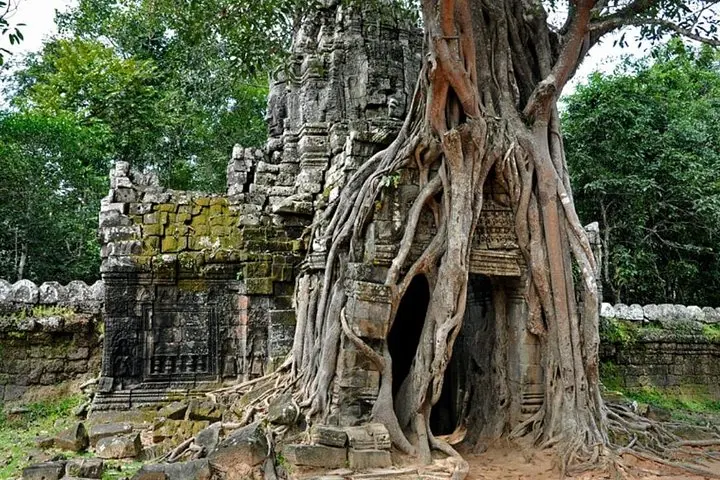
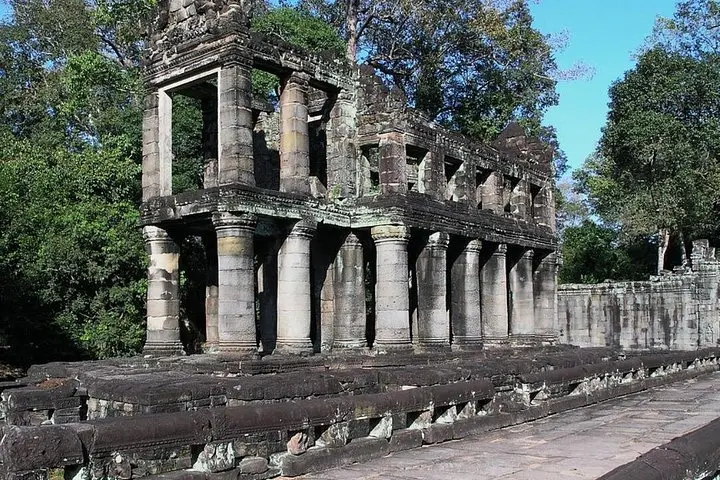
You step from the tuk‑tuk into a courtyard where stone and root argue for attention: fig trees press their fingers into carved lintels and dust lifts in a warm breath. Preah Khan opens like an abandoned city — long galleries, scattered pillars and shafts of light through collapsed roofs. The air tastes faintly of wet earth and incense.
Verified experiences and guided adventures in the surrounding area.
Operated by MyProGuide Cambodia · Siem Reap, Siem Reap Province
You step from the tuk‑tuk into a courtyard where stone and root argue for attention: fig trees press their fingers into carved lintels and dust lifts in a warm breath. Preah Khan opens like an abandoned city — long galleries, scattered pillars and shafts of light through collapsed roofs. The air tastes faintly of wet earth and incense.
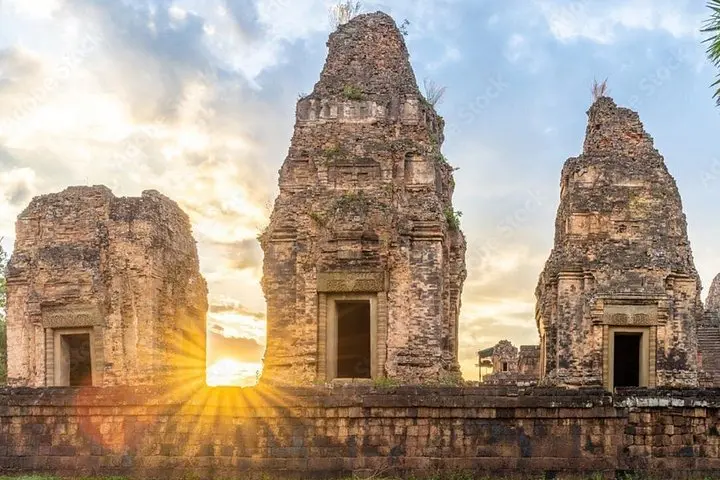
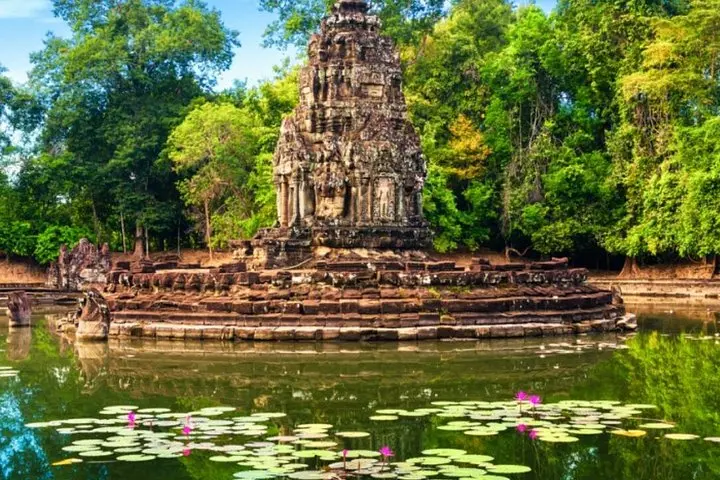
These sites belong to the 12th‑century Khmer world. Preah Khan was a sprawling monastery and administrative center under Jayavarman VII; Neak Pean sits on an artificial island once used for ritual healing; Ta Som is compact and photogenic, its east gate hugged by a banyan’s roots; Pre Rup affords wide views over rice fields that glow at dusk. Geology here is simple: laterite foundations with sandstone facings carved by artisans who translated cosmology into relief. Local culture still orients to temple seasons — offerings, markets, and guide traditions preserve living connections to these ruins.
Practical side: itineraries run 4–6 hours and require minimal fitness but steady footing. Wear clothing that covers shoulders and knees for temple respect, steady walking shoes for uneven steps, and carry water — Siem Reap’s sun will remind you to hydrate. Consider timing: mornings mean softer light and fewer people; Pre Rup at sunset delivers broad panoramas but can be windy and crowded.
If you want a guide, choose one versed in epigraphy and Khmer history to unlock inscriptions; if you prefer independence, private transport options make logistics simple. Small cash for fruit and handicrafts supports nearby vendors and keeps visits sustainable.
Yes—Angkor Archaeological Park requires a day pass (1, 3, or 7 days) purchased at the official ticket center near the park entrance.
Transportation can be arranged to be accessible, but some temple areas have steps and uneven ground that limit full access to interiors.
This itinerary lists admissions as not included—expect to purchase Angkor Passes separately unless the operator specifies otherwise at booking.
Morning visits to Preah Khan and Ta Som avoid heat and crowds; Pre Rup is ideal at late afternoon for sweeping sunset views.
MyProGuide Cambodia operates guided outdoor trips and adventures with an emphasis on safety, stewardship, and memorable experiences.
You step from the tuk‑tuk into a courtyard where stone and root argue for attention: fig trees press their fingers into carved lintels and dust lifts in a warm breath. Preah Khan opens like an abandoned city — long galleries, scattered pillars and shafts of light through collapsed roofs. The air tastes faintly of wet earth and incense.
You step from the tuk‑tuk into a courtyard where stone and root argue for attention: fig trees press their fingers into carved lintels and dust lifts in a warm breath. Preah Khan opens like an abandoned city — long galleries, scattered pillars and shafts of light through collapsed roofs. The air tastes faintly of wet earth and incense.
These sites belong to the 12th‑century Khmer world. Preah Khan was a sprawling monastery and administrative center under Jayavarman VII; Neak Pean sits on an artificial island once used for ritual healing; Ta Som is compact and photogenic, its east gate hugged by a banyan’s roots; Pre Rup affords wide views over rice fields that glow at dusk. Geology here is simple: laterite foundations with sandstone facings carved by artisans who translated cosmology into relief. Local culture still orients to temple seasons — offerings, markets, and guide traditions preserve living connections to these ruins.
Practical side: itineraries run 4–6 hours and require minimal fitness but steady footing. Wear clothing that covers shoulders and knees for temple respect, steady walking shoes for uneven steps, and carry water — Siem Reap’s sun will remind you to hydrate. Consider timing: mornings mean softer light and fewer people; Pre Rup at sunset delivers broad panoramas but can be windy and crowded.
If you want a guide, choose one versed in epigraphy and Khmer history to unlock inscriptions; if you prefer independence, private transport options make logistics simple. Small cash for fruit and handicrafts supports nearby vendors and keeps visits sustainable.