THE ADVENTURE COLLECTIVE® · Independent discovery and booking for outdoor travel

Cross Morocco from Tangier’s Atlantic edge to the sand seas of Erg Chebbi and the red walls of Marrakech in ten days. This private itinerary combines imperial cities, mountain passes, desert dunes, and coastal wind—ideal for travelers who want cultural depth with active moments like camel treks and gorge walks.
Cross Morocco from Tangier’s Atlantic edge to the sand seas of Erg Chebbi and the red walls of Marrakech in ten days. This private itinerary combines imperial cities, mountain passes, desert dunes, and coastal wind—ideal for travelers who want cultural depth with active moments like camel treks and gorge walks.
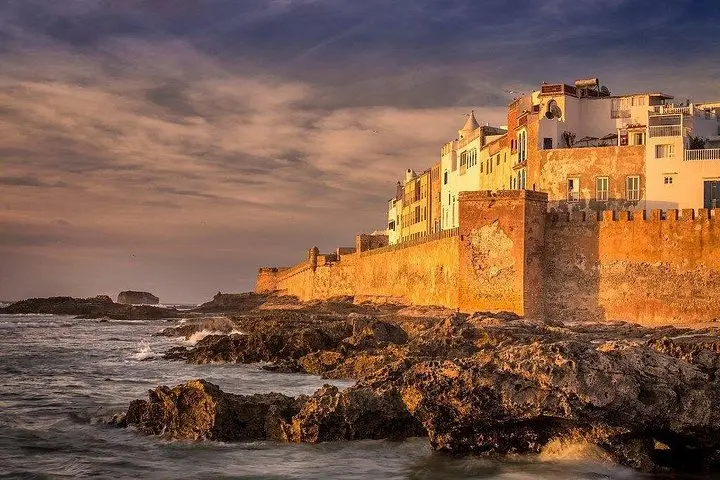
You step off the ferry in Tangier with the Atlantic wind pushing against your jacket and the minarets of a port city rising ahead—this tour reads like a slow cross-section of Morocco, moving from Rif blues to Saharan gold and the ochre walls of Marrakech.
Verified experiences and guided adventures in the surrounding area.
Operated by DesertTrail Adventures · Marrakech, Marrakech-Safi
You step off the ferry in Tangier with the Atlantic wind pushing against your jacket and the minarets of a port city rising ahead—this tour reads like a slow cross-section of Morocco, moving from Rif blues to Saharan gold and the ochre walls of Marrakech.
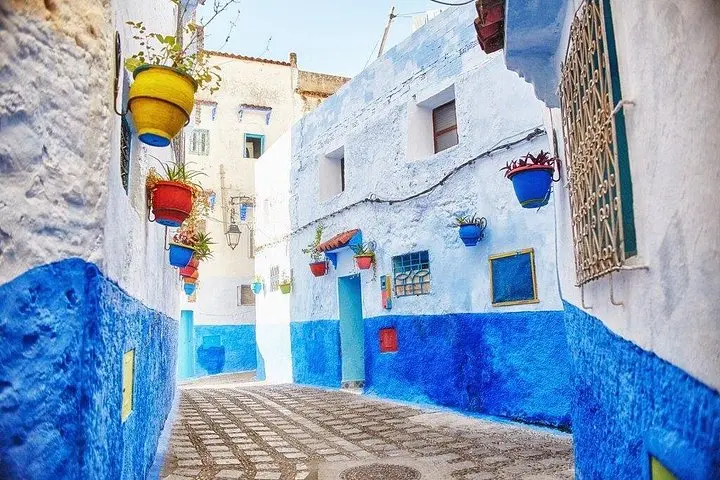
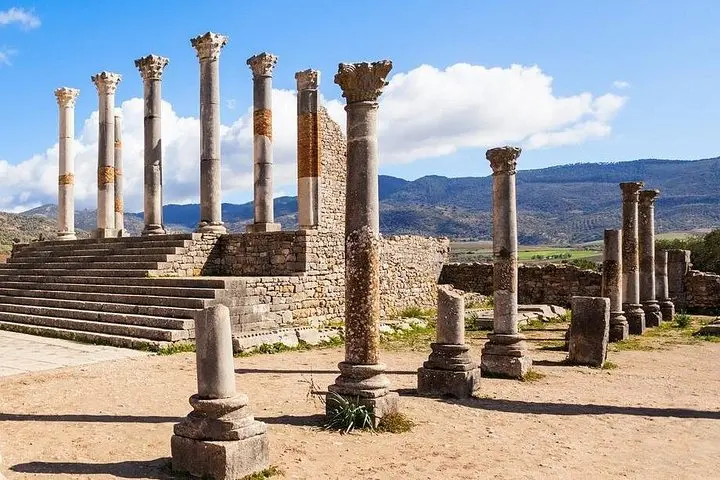
On day one narrow alleys in Chefchaouen frame everyday life; later the Roman mosaic floors at Volubilis show how empires once extended this far. Geology alternates just as quickly: cedar forests and limestone gorges in the Middle Atlas, then the rolling, mobile ridgelines of Erg Chebbi where dunes climb over 200 meters and dare you to climb at sunrise. In the Dades and Todra valleys, water still carves red limestone into cool clefts; Aït Benhaddou preserves mud-brick architecture that controlled trans-Saharan trade routes for centuries.
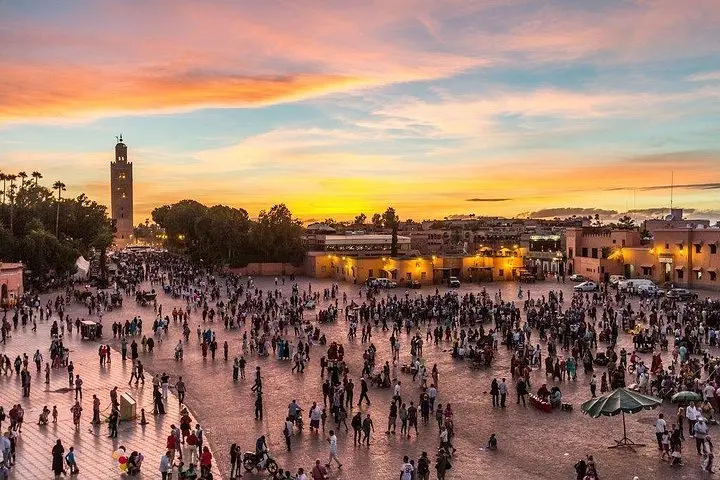
Culture here is active—Berber villages, argan cooperatives, and open-air souks where spices and leather trade the same rhythms they have for generations. Expect a mix of short walks, guided medina tours, a camel trek into the dunes, and a night in a Bedouin-style camp.
Practical guidance: travel is by private, air-conditioned vehicle with mostly easy walking; pack layered clothing for hot days and chilly desert nights, sturdy shoes for uneven souks and riverbeds, sun protection, and a refillable water bottle. Carry small bills for markets and tipping, and allow time for slow, unplanned photo stops—the landscape changes faster than the itinerary suggests.
The tour is rated easy: most travel occurs by private vehicle with short walks, a camel ride over sand dunes, and optional short hikes in gorges and waterfalls.
Yes—an overnight in a Bedouin-style tent near Merzouga is included, with simple camp facilities and an opportunity to watch sunrise over the dunes.
The itinerary notes wheelchair accessibility for many areas, but some sites—medina alleys, dunes, and rugged gorge paths—are not suitable for wheelchairs.
Carry Moroccan dirham (MAD) in small denominations for markets, tips, and village purchases; tipping guides and drivers is customary and appreciated.
DesertTrail Adventures operates guided outdoor trips and adventures with an emphasis on safety, stewardship, and memorable experiences.
You step off the ferry in Tangier with the Atlantic wind pushing against your jacket and the minarets of a port city rising ahead—this tour reads like a slow cross-section of Morocco, moving from Rif blues to Saharan gold and the ochre walls of Marrakech.
You step off the ferry in Tangier with the Atlantic wind pushing against your jacket and the minarets of a port city rising ahead—this tour reads like a slow cross-section of Morocco, moving from Rif blues to Saharan gold and the ochre walls of Marrakech.
On day one narrow alleys in Chefchaouen frame everyday life; later the Roman mosaic floors at Volubilis show how empires once extended this far. Geology alternates just as quickly: cedar forests and limestone gorges in the Middle Atlas, then the rolling, mobile ridgelines of Erg Chebbi where dunes climb over 200 meters and dare you to climb at sunrise. In the Dades and Todra valleys, water still carves red limestone into cool clefts; Aït Benhaddou preserves mud-brick architecture that controlled trans-Saharan trade routes for centuries.
Culture here is active—Berber villages, argan cooperatives, and open-air souks where spices and leather trade the same rhythms they have for generations. Expect a mix of short walks, guided medina tours, a camel trek into the dunes, and a night in a Bedouin-style camp.
Practical guidance: travel is by private, air-conditioned vehicle with mostly easy walking; pack layered clothing for hot days and chilly desert nights, sturdy shoes for uneven souks and riverbeds, sun protection, and a refillable water bottle. Carry small bills for markets and tipping, and allow time for slow, unplanned photo stops—the landscape changes faster than the itinerary suggests.