THE ADVENTURE COLLECTIVE® · Independent discovery and booking for outdoor travel

Cross Morocco from Tangier to Essaouira on a 12‑day loop that threads imperial cities, High Atlas passes, Sahara dunes and Atlantic surf. Expect long drives, varied terrain and cultural immersion—riads, kasbahs, camel rides and desert camps.
Cross Morocco from Tangier to Essaouira on a 12‑day loop that threads imperial cities, High Atlas passes, Sahara dunes and Atlantic surf. Expect long drives, varied terrain and cultural immersion—riads, kasbahs, camel rides and desert camps.
You step off the ferry smell of salt and diesel at Tangier’s port, the Atlantic wind already pushing at your jacket. Over the next twelve days the country reshapes itself beneath you: urban labyrinths of Fes and Marrakech give way to cedar‑studded passes, then to the ochre, wind-sculpted dunes of the Sahara, and finally to Essaouira’s surf‑slick shoreline.
Verified experiences and guided adventures in the surrounding area.
Operated by Desertbrise Travel · Marrakech, Marrakech-Safi
You step off the ferry smell of salt and diesel at Tangier’s port, the Atlantic wind already pushing at your jacket. Over the next twelve days the country reshapes itself beneath you: urban labyrinths of Fes and Marrakech give way to cedar‑studded passes, then to the ochre, wind-sculpted dunes of the Sahara, and finally to Essaouira’s surf‑slick shoreline.
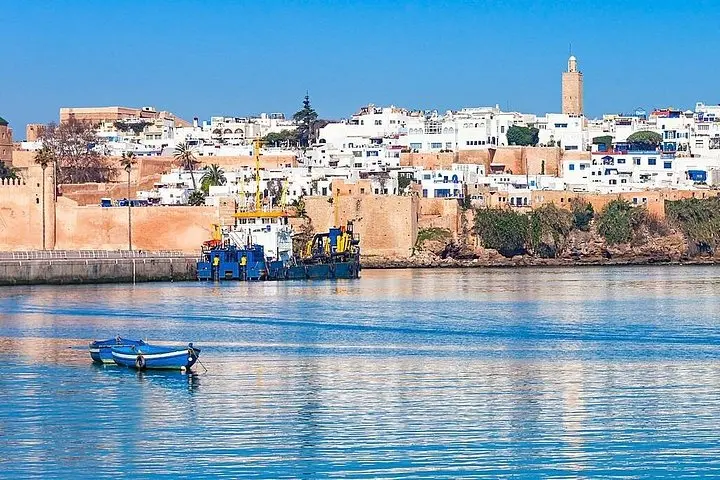
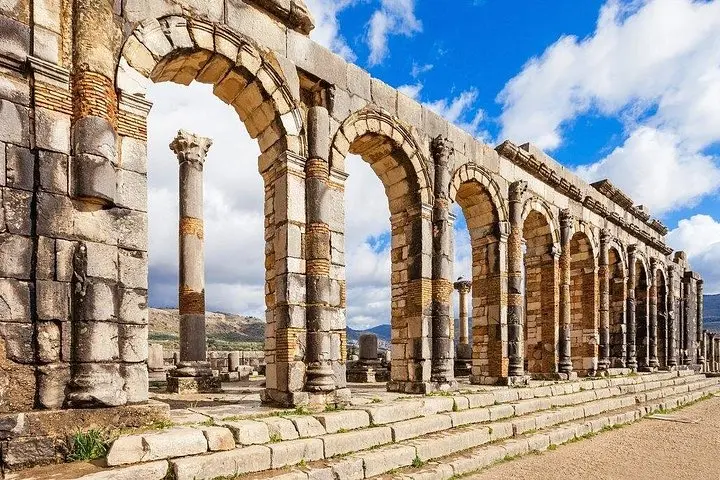
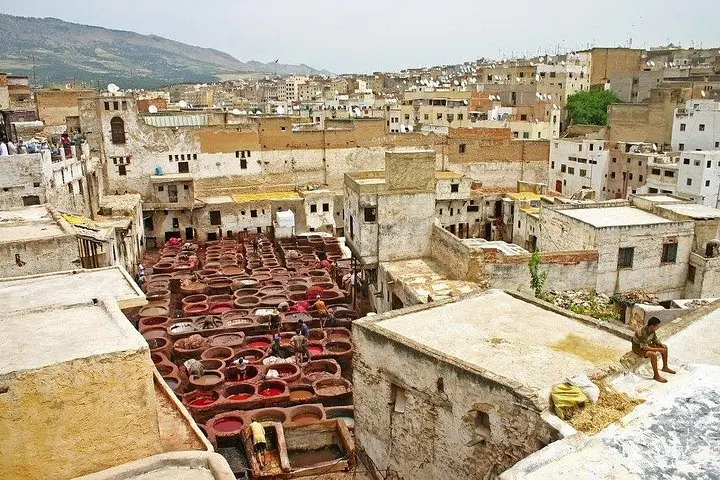
This route follows centuries-old trade arteries. Imperial cities—Meknes, Fes, Marrakech—grew around water sources and caravan routes; their medinas preserve medieval street plans, madrasas, and artisan workshops. Geologically, the trip crosses the folded High Atlas (Toubkal at 4,167 m looms to the south), descends through col du Tizi n’Tichka, and skims the Moulouya basin before reaching the fossiliferous plains around Erfoud and the Erg Chebbi dunes.
Culturally the tour is equal parts history and hospitality: kasbahs made from rammed earth, argan cooperatives run by local women, Berber music by a desert campfire. Expect varied terrain—narrow medina alleyways, paved mountain passes, sandy tracks to remote bivouacs—and long driving days that stitch the country together.
Practical guidance: pack layered clothing for big diurnal swings (cold mountain mornings, hot plains), sturdy walking shoes for cobbled medina streets and short hikes, and a sun hat and SPF for desert stretches. Carry small bills for market purchases, and a refillable water bottle (filtered water is available at hotels). Plan for early starts to maximize sightseeing and late afternoons in medinas when stalls open and temperatures drop. If you want a softer night, choose an auberge in Merzouga instead of a tent camp. With basic fitness and an openness to long drives, this itinerary delivers Morocco’s landscapes and heritage in one compact loop.
Yes—an escorted camel ride to the desert camp is included as part of the itinerary; hotel alternatives are available if you prefer.
Most walking is moderate—narrow alleys, steps, and short canyon walks like Todra Gorge; no technical climbing required.
The itinerary includes 11 nights’ accommodation; private rooms are standard, but confirm any single‑supplement requests at booking.
Breakfasts and 11 dinners are included; operators can usually accommodate common dietary needs if notified in advance.
Desertbrise Travel operates guided outdoor trips and adventures with an emphasis on safety, stewardship, and memorable experiences.
You step off the ferry smell of salt and diesel at Tangier’s port, the Atlantic wind already pushing at your jacket. Over the next twelve days the country reshapes itself beneath you: urban labyrinths of Fes and Marrakech give way to cedar‑studded passes, then to the ochre, wind-sculpted dunes of the Sahara, and finally to Essaouira’s surf‑slick shoreline.
You step off the ferry smell of salt and diesel at Tangier’s port, the Atlantic wind already pushing at your jacket. Over the next twelve days the country reshapes itself beneath you: urban labyrinths of Fes and Marrakech give way to cedar‑studded passes, then to the ochre, wind-sculpted dunes of the Sahara, and finally to Essaouira’s surf‑slick shoreline.
This route follows centuries-old trade arteries. Imperial cities—Meknes, Fes, Marrakech—grew around water sources and caravan routes; their medinas preserve medieval street plans, madrasas, and artisan workshops. Geologically, the trip crosses the folded High Atlas (Toubkal at 4,167 m looms to the south), descends through col du Tizi n’Tichka, and skims the Moulouya basin before reaching the fossiliferous plains around Erfoud and the Erg Chebbi dunes.
Culturally the tour is equal parts history and hospitality: kasbahs made from rammed earth, argan cooperatives run by local women, Berber music by a desert campfire. Expect varied terrain—narrow medina alleyways, paved mountain passes, sandy tracks to remote bivouacs—and long driving days that stitch the country together.
Practical guidance: pack layered clothing for big diurnal swings (cold mountain mornings, hot plains), sturdy walking shoes for cobbled medina streets and short hikes, and a sun hat and SPF for desert stretches. Carry small bills for market purchases, and a refillable water bottle (filtered water is available at hotels). Plan for early starts to maximize sightseeing and late afternoons in medinas when stalls open and temperatures drop. If you want a softer night, choose an auberge in Merzouga instead of a tent camp. With basic fitness and an openness to long drives, this itinerary delivers Morocco’s landscapes and heritage in one compact loop.