THE ADVENTURE COLLECTIVE® · Independent discovery and booking for outdoor travel

Combine Muscat’s monumental Sultan Qaboos Grand Mosque with the kinetic dunes of Wahiba Sands on a private 7–8 hour day trip. Expect artful interiors, Bedouin landscapes, dune bashing, and practical tips for heat, dress code, and timing.
Combine Muscat’s monumental Sultan Qaboos Grand Mosque with the kinetic dunes of Wahiba Sands on a private 7–8 hour day trip. Expect artful interiors, Bedouin landscapes, dune bashing, and practical tips for heat, dress code, and timing.
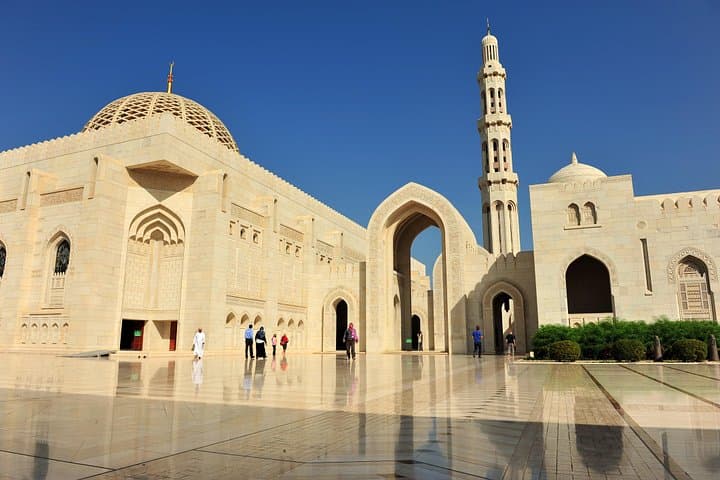
You arrive in Muscat with the mosque’s white domes catching the sun first — a crisp line between city and sky — then slide southward as the pavement gives way to dunes that rise and fall like a living geography.
Verified experiences and guided adventures in the surrounding area.
Operated by Discover Mazoon Tours Oman · Muscat, Muscat Governorate
You arrive in Muscat with the mosque’s white domes catching the sun first — a crisp line between city and sky — then slide southward as the pavement gives way to dunes that rise and fall like a living geography.
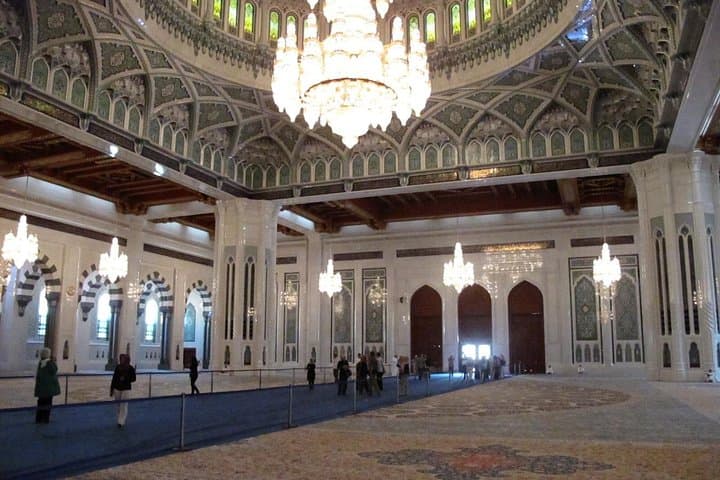
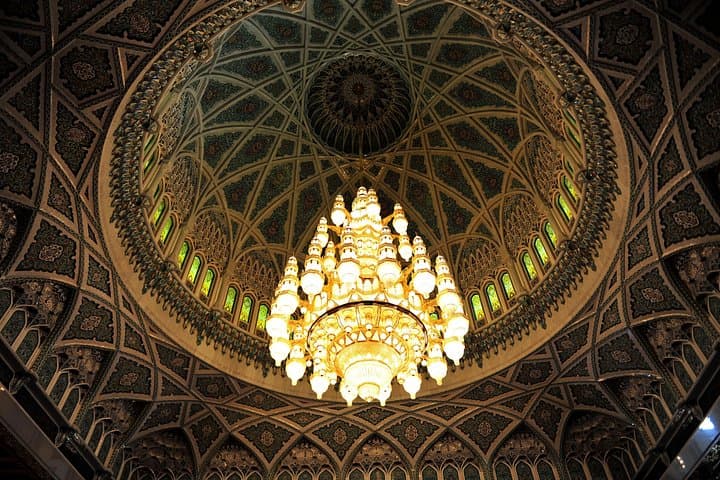
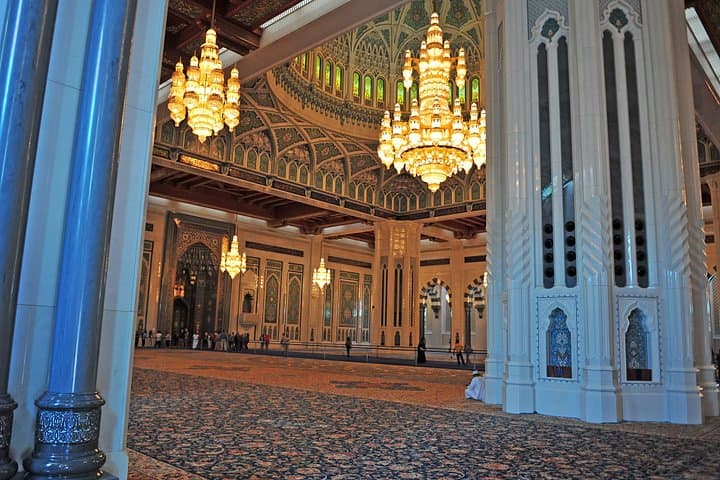
At Sultan Qaboos Grand Mosque the scale is immediate: a 50‑meter central dome, five minarets, and a prayer hall laid out on a single carpet that reportedly weighs 21 tonnes and took four years to weave. The complex opened in 2001 and reflects modern Omani identity through Persian and local craft traditions; its chandeliers and mosaics are as much about civic pride as piety.
Drive time moves the story from marble to sand. The Sharqiya (Wahiba) Sands stretch for thousands of square kilometers of red-gold dunes shaped by persistent northeastern winds; underlying geology is wind-sculpted quartz and shell fragments left by a much older coastline. The region carries Bedouin history — home to the Bani Wahiba tribe — and today’s guides balance hospitality with desert skills.
Practical guidance: allow 7–8 hours, and plan mosque visits in the cooler morning window when photography and walking are easiest. Dress conservatively at the mosque (long sleeves, long pants, head covering for women) and bring closed-toe shoes for dune edges. Hydrate before heading into Wahiba; drinkable bottled water is usually provided, but pack more if you’re sensitive to heat.
Expect short walking at the mosque, lively dune bashing on graded tracks, and pauses for tea and photos as light changes across the sand — an experience that pairs cultural architecture and raw desert motion in a single day.
Yes. Visitors must wear conservative clothing: shoulders and knees covered. Women should bring a headscarf; some tours provide loaner garments but bring your own if possible.
The day is not highly strenuous—short walks and vehicle travel dominate—but expect heat, sand, and some stepping up and down dunes; moderate fitness is sufficient.
Most operators allow children but recommend appropriate child seats and caution; follow the company’s policies and the driver’s instructions for safety.
Many private tours include mosque admission as part of the itinerary; confirm with the operator before booking if you need explicit inclusion details.
Discover Mazoon Tours Oman operates guided outdoor trips and adventures with an emphasis on safety, stewardship, and memorable experiences.
You arrive in Muscat with the mosque’s white domes catching the sun first — a crisp line between city and sky — then slide southward as the pavement gives way to dunes that rise and fall like a living geography.
You arrive in Muscat with the mosque’s white domes catching the sun first — a crisp line between city and sky — then slide southward as the pavement gives way to dunes that rise and fall like a living geography.
At Sultan Qaboos Grand Mosque the scale is immediate: a 50‑meter central dome, five minarets, and a prayer hall laid out on a single carpet that reportedly weighs 21 tonnes and took four years to weave. The complex opened in 2001 and reflects modern Omani identity through Persian and local craft traditions; its chandeliers and mosaics are as much about civic pride as piety.
Drive time moves the story from marble to sand. The Sharqiya (Wahiba) Sands stretch for thousands of square kilometers of red-gold dunes shaped by persistent northeastern winds; underlying geology is wind-sculpted quartz and shell fragments left by a much older coastline. The region carries Bedouin history — home to the Bani Wahiba tribe — and today’s guides balance hospitality with desert skills.
Practical guidance: allow 7–8 hours, and plan mosque visits in the cooler morning window when photography and walking are easiest. Dress conservatively at the mosque (long sleeves, long pants, head covering for women) and bring closed-toe shoes for dune edges. Hydrate before heading into Wahiba; drinkable bottled water is usually provided, but pack more if you’re sensitive to heat.
Expect short walking at the mosque, lively dune bashing on graded tracks, and pauses for tea and photos as light changes across the sand — an experience that pairs cultural architecture and raw desert motion in a single day.