THE ADVENTURE COLLECTIVE® · Independent discovery and booking for outdoor travel

A full-day private loop from Doha that stitches desert geology, living traditions, contemporary art and mangrove ecology into one accessible 8–9 hour itinerary. Expect camel racing, wind-carved limestone, monumental steel sculptures, and a historic coastal fort.
A full-day private loop from Doha that stitches desert geology, living traditions, contemporary art and mangrove ecology into one accessible 8–9 hour itinerary. Expect camel racing, wind-carved limestone, monumental steel sculptures, and a historic coastal fort.
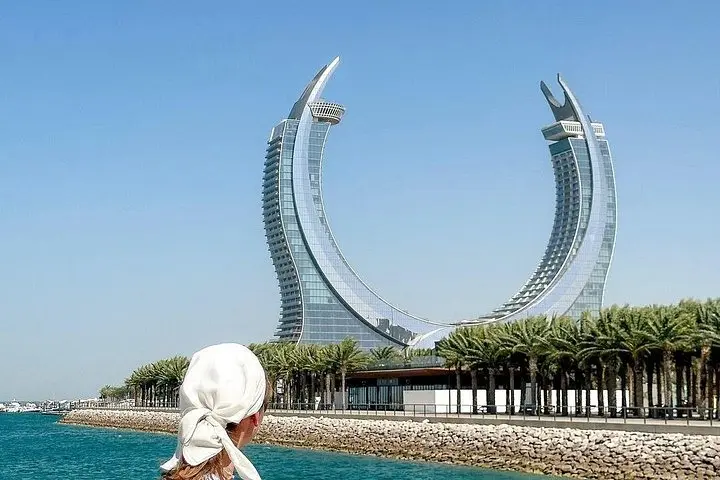
Morning light bleeds over Doha as an air-conditioned vehicle pulls away from the skyline and into the flat openness of Qatar’s desert. The city’s glass towers shrink; wind and salt begin to press at the windows. By midmorning you’re at Al Shahaniya’s race track, where camels—lean, purposeful, oddly elegant—are trained and raced in a practice that still threads tribal tradition through modern sport.
Verified experiences and guided adventures in the surrounding area.
Operated by Travel Designer WLL · Doha, Doha
Morning light bleeds over Doha as an air-conditioned vehicle pulls away from the skyline and into the flat openness of Qatar’s desert. The city’s glass towers shrink; wind and salt begin to press at the windows. By midmorning you’re at Al Shahaniya’s race track, where camels—lean, purposeful, oddly elegant—are trained and raced in a practice that still threads tribal tradition through modern sport.
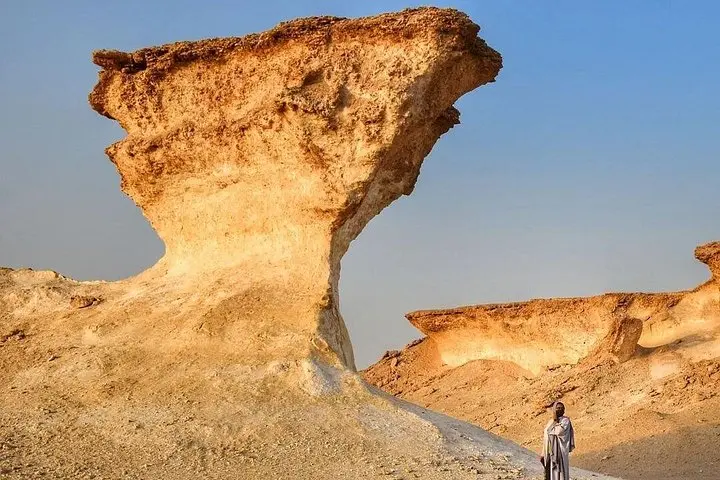
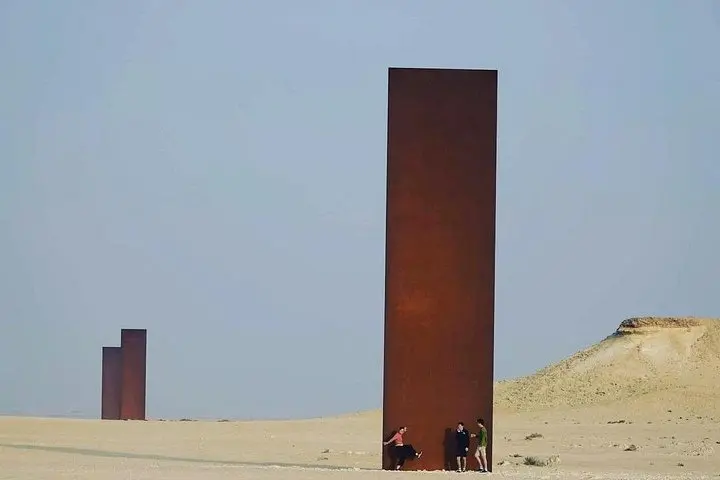
Geology and art converge at Zekreet. Wind-sculpted limestone outcrops and low fossil reefs rise like scattered sentries; the Richard Serra plates, towering steel rectangles, interrupt the horizon and make you feel the desert’s scale in a new way. Nearby Zekreet Beach offers shallow shores and quiet coves where gazelles and migratory birds appear at the waterline.
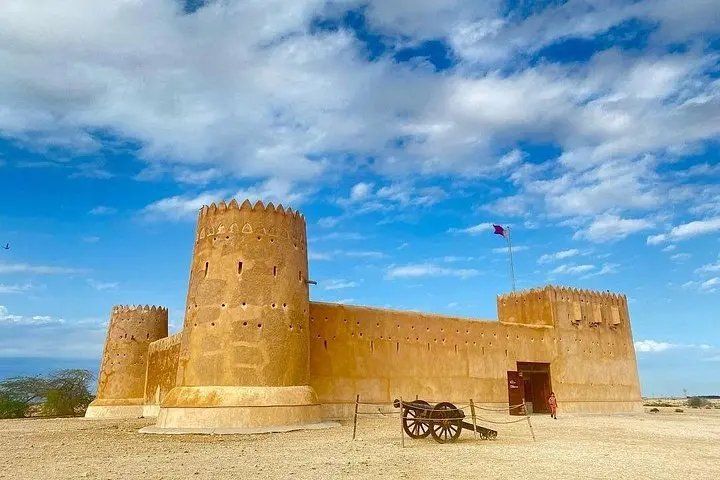
History tightens the narrative at Al Zubara Fort, a 1938 fortress guarding ruins of a once-thriving pearling town—an entry point to Qatar’s trading past and Ottoman regional contests.
On the return, Purple Island’s mangroves slow the pace—boardwalks and shallow channels that host herons and fiddler crabs and a small, active conservation community.
Practical guidance: expect 8–9 hours, mostly driving with several short walks across uneven limestone, sand, and fort courtyards; elevation change is negligible. Bring sun protection, plenty of water, comfortable walking shoes with grip, and a camera with neutral-density or polarizing filters for steel sculptures against bright skies. Dress modestly in public places, and follow guides when approaching wildlife. Timing matters—early starts beat the heat and late afternoons sharpen light for sculpture and sea photography.
Pickup is provided from Doha—your guide will confirm a pickup point or collect you from your hotel; the tour returns to Doha at the end of the day.
Yes, but only short walks of 10–30 minutes at each stop over sand, limestone and fort courtyards; strenuous trekking is not involved.
The tour includes admission for listed sites and a provided lunch; bottled water and an air-conditioned vehicle are included as well.
Suitable for most ages, though it isn’t recommended for those with serious back, heart, or pregnancy concerns; infants should sit on laps per provider policy.
Travel Designer WLL operates guided outdoor trips and adventures with an emphasis on safety, stewardship, and memorable experiences.
Morning light bleeds over Doha as an air-conditioned vehicle pulls away from the skyline and into the flat openness of Qatar’s desert. The city’s glass towers shrink; wind and salt begin to press at the windows. By midmorning you’re at Al Shahaniya’s race track, where camels—lean, purposeful, oddly elegant—are trained and raced in a practice that still threads tribal tradition through modern sport.
Morning light bleeds over Doha as an air-conditioned vehicle pulls away from the skyline and into the flat openness of Qatar’s desert. The city’s glass towers shrink; wind and salt begin to press at the windows. By midmorning you’re at Al Shahaniya’s race track, where camels—lean, purposeful, oddly elegant—are trained and raced in a practice that still threads tribal tradition through modern sport.
Geology and art converge at Zekreet. Wind-sculpted limestone outcrops and low fossil reefs rise like scattered sentries; the Richard Serra plates, towering steel rectangles, interrupt the horizon and make you feel the desert’s scale in a new way. Nearby Zekreet Beach offers shallow shores and quiet coves where gazelles and migratory birds appear at the waterline.
History tightens the narrative at Al Zubara Fort, a 1938 fortress guarding ruins of a once-thriving pearling town—an entry point to Qatar’s trading past and Ottoman regional contests.
On the return, Purple Island’s mangroves slow the pace—boardwalks and shallow channels that host herons and fiddler crabs and a small, active conservation community.
Practical guidance: expect 8–9 hours, mostly driving with several short walks across uneven limestone, sand, and fort courtyards; elevation change is negligible. Bring sun protection, plenty of water, comfortable walking shoes with grip, and a camera with neutral-density or polarizing filters for steel sculptures against bright skies. Dress modestly in public places, and follow guides when approaching wildlife. Timing matters—early starts beat the heat and late afternoons sharpen light for sculpture and sea photography.