THE ADVENTURE COLLECTIVE® · Independent discovery and booking for outdoor travel

Spend a full day from Jackson Hole exploring Grand Teton’s dramatic valleys, viewing big-game wildlife, and seeing ancient Eastern Shoshone petroglyphs near Dubois. This small-group tour blends natural history at the National Bighorn Sheep Center with guided cultural interpretation and accessible short hikes.
Spend a full day from Jackson Hole exploring Grand Teton’s dramatic valleys, viewing big-game wildlife, and seeing ancient Eastern Shoshone petroglyphs near Dubois. This small-group tour blends natural history at the National Bighorn Sheep Center with guided cultural interpretation and accessible short hikes.
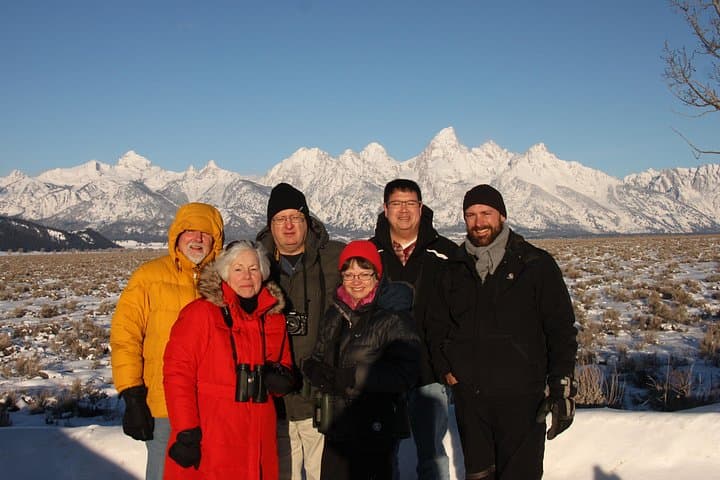
The day begins before dawn when the Tetons silhouette like a serrated spine against a pale sky and the first light slides down the range, turning talus and snowfields into hard-edged relief. You leave Jackson Hole in a small minivan—no more than ten people—and the valley opens as the driver threads the highway. The Snake River runs below, impatient and silver, daring you to slow down and watch. Within an hour the landscape has shifted from lodgepole pine and sagebrush to the broad, wind-swept floor of the Wind River Valley and, eventually, the quieter high desert that leads to Dubois.
Verified experiences and guided adventures in the surrounding area.
Operated by BrushBuck Wildlife Tours · Jackson, Wyoming
The day begins before dawn when the Tetons silhouette like a serrated spine against a pale sky and the first light slides down the range, turning talus and snowfields into hard-edged relief. You leave Jackson Hole in a small minivan—no more than ten people—and the valley opens as the driver threads the highway. The Snake River runs below, impatient and silver, daring you to slow down and watch. Within an hour the landscape has shifted from lodgepole pine and sagebrush to the broad, wind-swept floor of the Wind River Valley and, eventually, the quieter high desert that leads to Dubois.
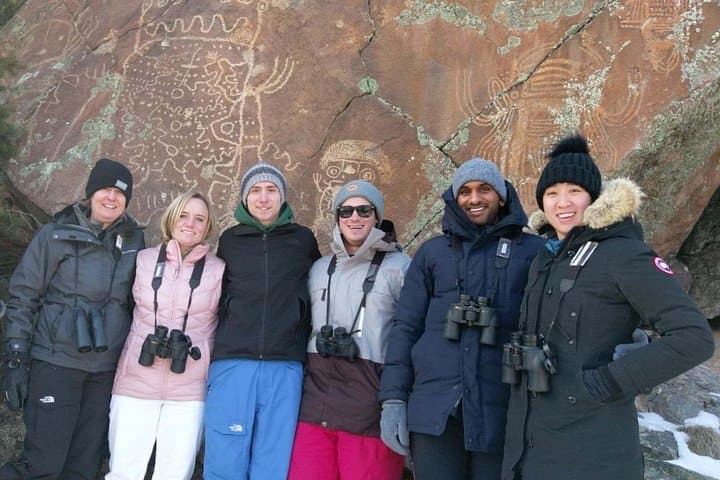
This is a road trip stitched from two stories: the geology that carved the Tetons and the human history written on their margins. The Tetons themselves are a young range with jagged summits born from dramatic faulting; granite and gneiss poke through newer sediments. On the eastern edge of the valley, petroglyph panels—pecked designs of animals and symbols—hold the presence of Eastern Shoshone spirituality. Many of these images are roughly 1,500 years old and were created with stone tools; they were not decorative but communicative, marking hunting routes, spiritual territories, and seasonal stories.
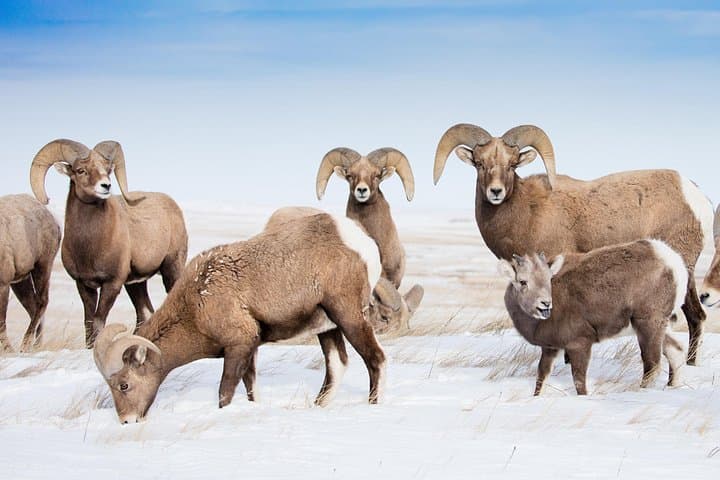
Wildlife dominates the binoculars: bighorn sheep clinging to cliff bands, elk moving like slow ghosts at the tree line, moose browsing willow along braided streams. The itinerary builds in both spectacle and explanation—a guided stop at Grand Teton National Park for sweeping views and likely roadside wildlife, then a visit to the National Bighorn Sheep Center in Dubois to ground what you saw in natural history and conservation science. Lunch is in a small-town diner—cowboy boots and plaster brontosaur murals—before a short, interpretive hike to petroglyph panels where the guide explains Shoshone cultural context and the ethics of viewing sacred sites.
Practicalities matter here: this is an 8–10 hour day with some short walks; winter-ready clothing is recommended in cold months and binoculars will significantly improve your experience. Guides carry permits and interpretive materials, and the tour limits numbers for quieter viewing. If you prefer not to hike to the panels, guides provide high-powered binoculars and vehicle-viewing options.
For photographers, plan for changing light across wide-open valleys and forested corridors. For travelers interested in culture, allow time afterward to visit the Bighorn Sheep Center exhibits in Dubois. Respect the sites—no touching, no climbing—and come with curiosity rather than expectation; wildlife is generous but never guaranteed. This is a day that blends raw mountain geography with living human history, where rock art and rams share the same weathered horizon.
Expect an 8–10 hour day with several roadside stops, a museum visit in Dubois, a sit-down lunch, and a short guided hike to petroglyphs.
Wildlife sightings are common—bighorn, moose, elk, eagles—but never guaranteed; the tour includes the National Bighorn Sheep Center to supplement field viewing.
Children and most adults can reach viewing areas, though the short hike has uneven terrain; binoculars are provided for those who remain at the vehicle.
Admission to the National Bighorn Sheep Center is included when open; Grand Teton park entry is covered as part of the guided visit.
Wear insulated, waterproof footwear, warm layers, a winter jacket, hat, and gloves—guides recommend winter bibs or pants for colder months.
Pickup from Jackson-area hotels and rentals is available; you must confirm pickup details with the operator up to 14 days before the tour.
BrushBuck Wildlife Tours operates guided outdoor trips and adventures with an emphasis on safety, stewardship, and memorable experiences.

The day begins before dawn when the Tetons silhouette like a serrated spine against a pale sky and the first light slides down the range, turning talus and snowfields into hard-edged relief. You leave Jackson Hole in a small minivan—no more than ten people—and the valley opens as the driver threads the highway. The Snake River runs below, impatient and silver, daring you to slow down and watch. Within an hour the landscape has shifted from lodgepole pine and sagebrush to the broad, wind-swept floor of the Wind River Valley and, eventually, the quieter high desert that leads to Dubois.
The day begins before dawn when the Tetons silhouette like a serrated spine against a pale sky and the first light slides down the range, turning talus and snowfields into hard-edged relief. You leave Jackson Hole in a small minivan—no more than ten people—and the valley opens as the driver threads the highway. The Snake River runs below, impatient and silver, daring you to slow down and watch. Within an hour the landscape has shifted from lodgepole pine and sagebrush to the broad, wind-swept floor of the Wind River Valley and, eventually, the quieter high desert that leads to Dubois.
This is a road trip stitched from two stories: the geology that carved the Tetons and the human history written on their margins. The Tetons themselves are a young range with jagged summits born from dramatic faulting; granite and gneiss poke through newer sediments. On the eastern edge of the valley, petroglyph panels—pecked designs of animals and symbols—hold the presence of Eastern Shoshone spirituality. Many of these images are roughly 1,500 years old and were created with stone tools; they were not decorative but communicative, marking hunting routes, spiritual territories, and seasonal stories.
Wildlife dominates the binoculars: bighorn sheep clinging to cliff bands, elk moving like slow ghosts at the tree line, moose browsing willow along braided streams. The itinerary builds in both spectacle and explanation—a guided stop at Grand Teton National Park for sweeping views and likely roadside wildlife, then a visit to the National Bighorn Sheep Center in Dubois to ground what you saw in natural history and conservation science. Lunch is in a small-town diner—cowboy boots and plaster brontosaur murals—before a short, interpretive hike to petroglyph panels where the guide explains Shoshone cultural context and the ethics of viewing sacred sites.
Practicalities matter here: this is an 8–10 hour day with some short walks; winter-ready clothing is recommended in cold months and binoculars will significantly improve your experience. Guides carry permits and interpretive materials, and the tour limits numbers for quieter viewing. If you prefer not to hike to the panels, guides provide high-powered binoculars and vehicle-viewing options.
For photographers, plan for changing light across wide-open valleys and forested corridors. For travelers interested in culture, allow time afterward to visit the Bighorn Sheep Center exhibits in Dubois. Respect the sites—no touching, no climbing—and come with curiosity rather than expectation; wildlife is generous but never guaranteed. This is a day that blends raw mountain geography with living human history, where rock art and rams share the same weathered horizon.