THE ADVENTURE COLLECTIVE® · Independent discovery and booking for outdoor travel

Spend a full day tracing the Snake River, scanning willow edges for moose, and photographing the T. A. Moulton Barn on an eight-hour guided tour from Jackson Hole. Small groups, a naturalist guide, and a picnic lunch make this a focused way to experience Grand Teton National Park’s wildlife and geology.
Spend a full day tracing the Snake River, scanning willow edges for moose, and photographing the T. A. Moulton Barn on an eight-hour guided tour from Jackson Hole. Small groups, a naturalist guide, and a picnic lunch make this a focused way to experience Grand Teton National Park’s wildlife and geology.
A cold morning in Jackson Hole begins with the sound of diesel and the low murmur of passengers trading binoculars over coffee. The van slips out of town and, within twenty minutes, the jagged teeth of the Teton Range rise from the valley floor like a fault line frozen in time. The Snake River threads the valley below, daring you to follow its bends as cottonwoods toss short, crisp leaves in an alpine wind.
Verified experiences and guided adventures in the surrounding area.
Operated by BrushBuck Wildlife Tours · Jackson, Wyoming
A cold morning in Jackson Hole begins with the sound of diesel and the low murmur of passengers trading binoculars over coffee. The van slips out of town and, within twenty minutes, the jagged teeth of the Teton Range rise from the valley floor like a fault line frozen in time. The Snake River threads the valley below, daring you to follow its bends as cottonwoods toss short, crisp leaves in an alpine wind.
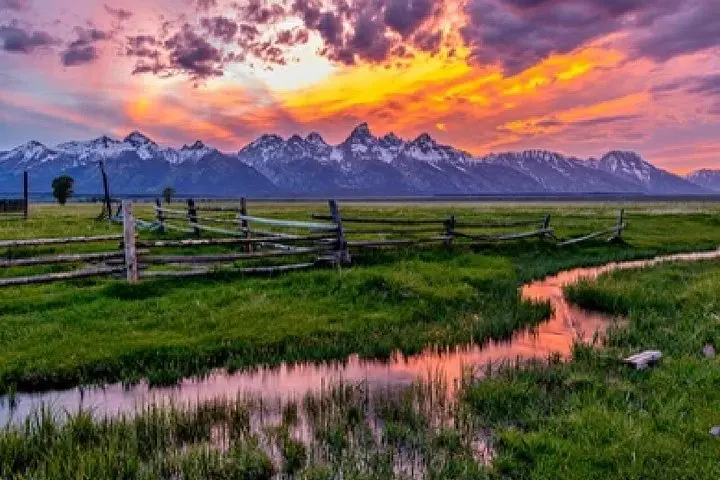
The day on this eight-hour tour is a survey of contrasts: glacially carved lakes, open sage flats where bison graze, and the historic lines of Mormon Row where weathered barns stand against living peaks. A naturalist guide navigates both the roads and the storylines—explaining how the Tetons are among the youngest ranges in North America, lifted by the Teton fault over the last several million years, while the valley was deepened by repeated Pleistocene glaciers that left behind Jenny and Jackson Lakes.
Wildlife dictates the tempo. The guide trains a spotting scope along a distant treeline, and you hold your breath as a moose threads the shallows or a bighorn sheep slants across a ridge. Ansel Adams’ famous view at Oxbow Bend still reads like a black-and-white film, but in summer the scene is saturated with gold and green; in fall, the willows blaze like lanterns.
Culturally the valley carries two clear marks: the Indigenous presence of Shoshone people—whose knowledge of seasonal migration and river corridors predates the park—and the later imprint of Mormon homesteaders who established the linear ranching lots now known as Mormon Row. Guides point out the T. A. Moulton Barn not as an icon to photograph, but as a window into how humans adapted to an alpine environment.
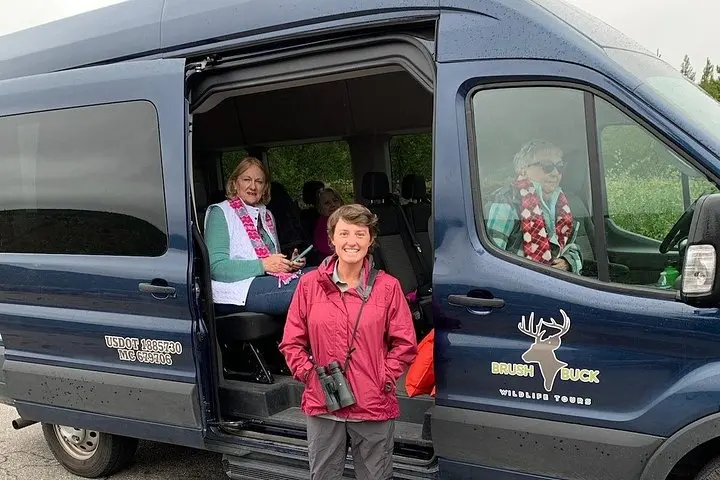
Practicalities are straightforward. Guests ride in an enclosed, heated and air-conditioned vehicle; tours are capped at ten people for quieter, safer viewing. Picnic lunch is weather dependent, with restaurant fallback in stormy conditions. Because wildlife is wild, sightings are promised but not guaranteed; patience and silence are the best strategies.
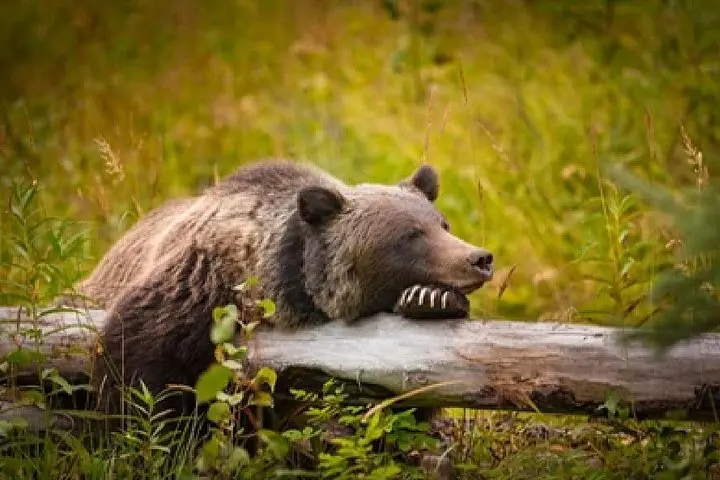
For planning: layer for sudden weather shifts, bring a telephoto lens or use the provided optics, and charge phones—there are photo stops at Jenny Lake, Oxbow Bend, and Mormon Row. Respect closures and the 100-yard rule for bears and wolves. The tour’s rhythm is slow where nature requires it and active when the light and animals demand attention—an ideal day for anyone who wants to see the Tetons beyond a postcard, with context, safety, and a guide who knows how to read the landscape.
The tour is eight hours and departs from Jackson Hole with front-door hotel pickup available for most Jackson, Teton Village, and Wilson locations.
No; wildlife is unpredictable. Guides increase chances through habitat knowledge and patient observation, but sightings cannot be promised.
Children are allowed except those five and younger; the tour is family-friendly but involves long periods in a vehicle and quiet observation.
Tours run in most weather; severe conditions may cancel the picnic and move lunch to a restaurant, and the operator can cancel for safety with refunds according to their policy.
Only service animals are allowed on this public tour; pets cannot be accommodated.
Yes—stops include park pullouts, visitor centers, and restaurants with facilities; guides will schedule breaks as needed.
BrushBuck Wildlife Tours operates guided outdoor trips and adventures with an emphasis on safety, stewardship, and memorable experiences.
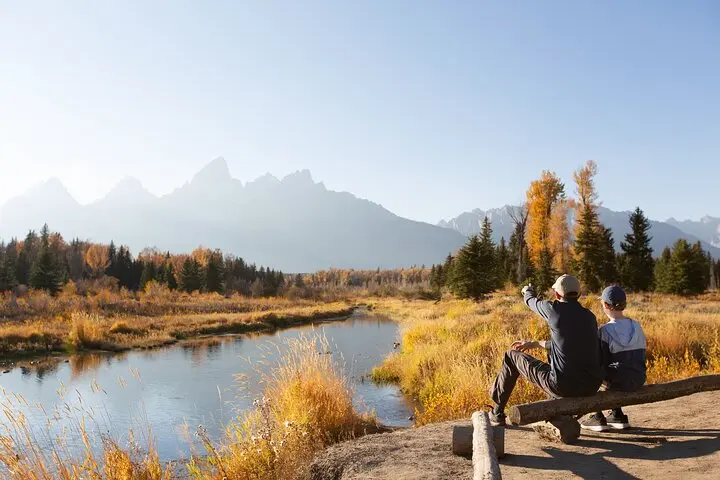
A cold morning in Jackson Hole begins with the sound of diesel and the low murmur of passengers trading binoculars over coffee. The van slips out of town and, within twenty minutes, the jagged teeth of the Teton Range rise from the valley floor like a fault line frozen in time. The Snake River threads the valley below, daring you to follow its bends as cottonwoods toss short, crisp leaves in an alpine wind.
A cold morning in Jackson Hole begins with the sound of diesel and the low murmur of passengers trading binoculars over coffee. The van slips out of town and, within twenty minutes, the jagged teeth of the Teton Range rise from the valley floor like a fault line frozen in time. The Snake River threads the valley below, daring you to follow its bends as cottonwoods toss short, crisp leaves in an alpine wind.
The day on this eight-hour tour is a survey of contrasts: glacially carved lakes, open sage flats where bison graze, and the historic lines of Mormon Row where weathered barns stand against living peaks. A naturalist guide navigates both the roads and the storylines—explaining how the Tetons are among the youngest ranges in North America, lifted by the Teton fault over the last several million years, while the valley was deepened by repeated Pleistocene glaciers that left behind Jenny and Jackson Lakes.
Wildlife dictates the tempo. The guide trains a spotting scope along a distant treeline, and you hold your breath as a moose threads the shallows or a bighorn sheep slants across a ridge. Ansel Adams’ famous view at Oxbow Bend still reads like a black-and-white film, but in summer the scene is saturated with gold and green; in fall, the willows blaze like lanterns.
Culturally the valley carries two clear marks: the Indigenous presence of Shoshone people—whose knowledge of seasonal migration and river corridors predates the park—and the later imprint of Mormon homesteaders who established the linear ranching lots now known as Mormon Row. Guides point out the T. A. Moulton Barn not as an icon to photograph, but as a window into how humans adapted to an alpine environment.
Practicalities are straightforward. Guests ride in an enclosed, heated and air-conditioned vehicle; tours are capped at ten people for quieter, safer viewing. Picnic lunch is weather dependent, with restaurant fallback in stormy conditions. Because wildlife is wild, sightings are promised but not guaranteed; patience and silence are the best strategies.
For planning: layer for sudden weather shifts, bring a telephoto lens or use the provided optics, and charge phones—there are photo stops at Jenny Lake, Oxbow Bend, and Mormon Row. Respect closures and the 100-yard rule for bears and wolves. The tour’s rhythm is slow where nature requires it and active when the light and animals demand attention—an ideal day for anyone who wants to see the Tetons beyond a postcard, with context, safety, and a guide who knows how to read the landscape.