THE ADVENTURE COLLECTIVE® · Independent discovery and booking for outdoor travel

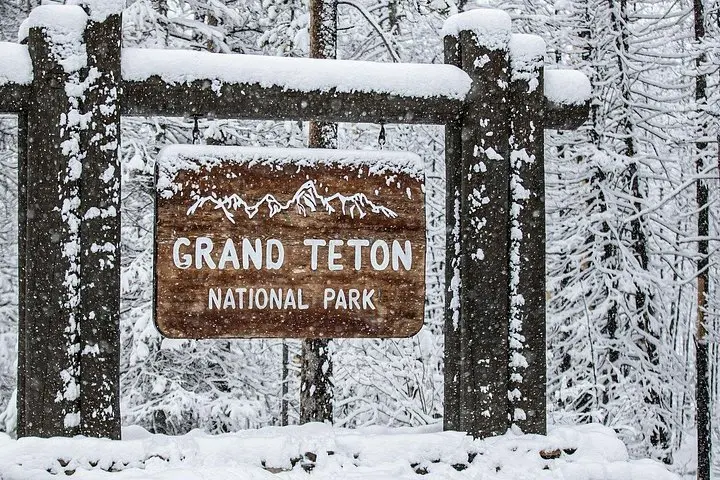
Drive through snow-dusted flats and stop at iconic overlooks on a private winter tour of Grand Teton National Park. Expect close-up wildlife viewing, guided photography stops, and warm beverages while your guide hunts the best light and animal sightings.
Drive through snow-dusted flats and stop at iconic overlooks on a private winter tour of Grand Teton National Park. Expect close-up wildlife viewing, guided photography stops, and warm beverages while your guide hunts the best light and animal sightings.
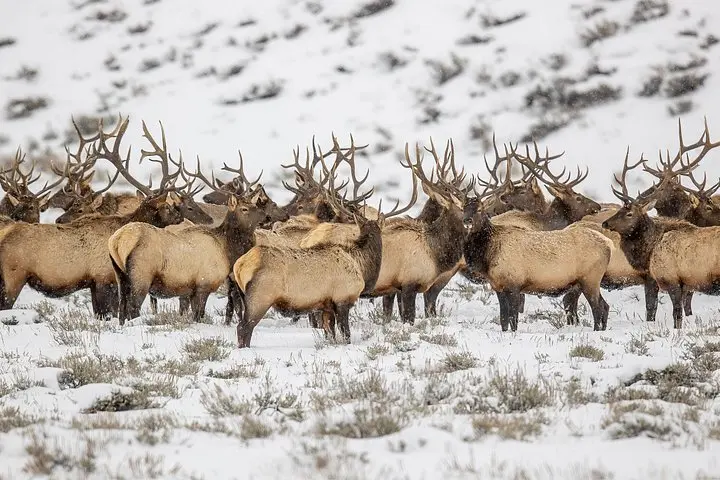
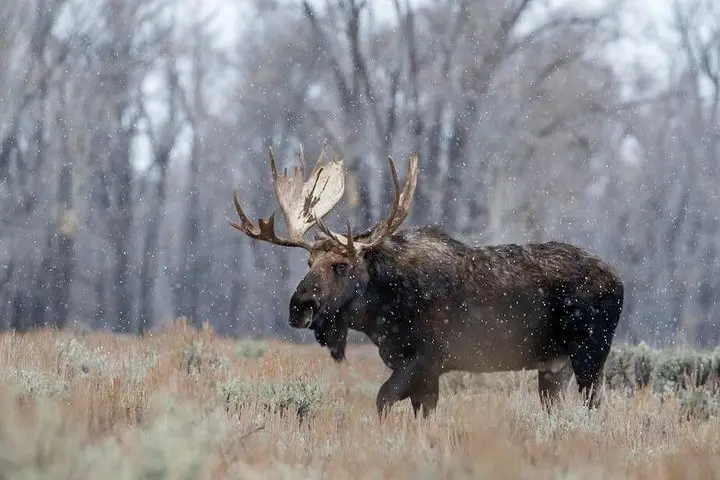
A cold breath of air lifts from the valley as your guide eases the vehicle onto a snow-slick road and the Teton peaks slice into a pale morning. You move slowly — the day is measured by sightings: a ragged bull elk lifting its head on the refuge, a herd of bison pressing through wind-scoured drifts, and the slow, watchful curve of the Snake River that seems to dare you to look closer.
Verified experiences and guided adventures in the surrounding area.
Operated by Tours In Color · Jackson, Wyoming
A cold breath of air lifts from the valley as your guide eases the vehicle onto a snow-slick road and the Teton peaks slice into a pale morning. You move slowly — the day is measured by sightings: a ragged bull elk lifting its head on the refuge, a herd of bison pressing through wind-scoured drifts, and the slow, watchful curve of the Snake River that seems to dare you to look closer.
Geology here is plain and blunt: the Tetons are a young, steep fault block range carved by glaciers, their sharp ridgelines set above a basin of sagebrush and river flats. Mormon Row’s historic barns and the nearby Elk Ranch Flats carry human stories of homesteaders and winter ranching that shaped local routes and views. Cultural threads run from Shoshone and Gros Ventre presence to ranching families who learned to read winter like a map.
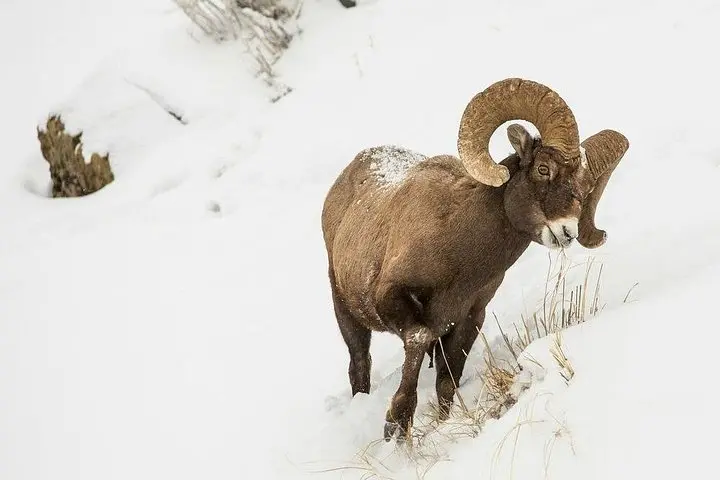
Expect a guide-led, mostly vehicle-based tour with short, supervised walks at viewpoints. Wildlife viewing concentrates in low-elevation valley flats and river corridors; optics provided, but wear microspikes if you plan to step onto icy pullouts. Temperatures commonly range well below freezing; daylight is short, so photography windows are tight and golden light comes early.
Practical edge: layer for wind, bring a thermos, and keep camera batteries warm in an inner pocket. Be prepared for changed plans—wildlife moves on its own schedule—so patience and flexibility are part of the experience.
Tours run about 4–5 hours and typically begin in the morning to maximize wildlife activity and daylight for photography.
Wildlife sightings are never guaranteed; guides visit high-probability areas, but animals move seasonally and sightings depend on conditions and luck.
Yes — the tour is vehicle-based with short, accessible stops; guides can accommodate families and provide infant seats if requested.
Tours operate in winter conditions but may be rescheduled if roads become unsafe; check cancellation rules for full refund windows.
Tours In Color operates guided outdoor trips and adventures with an emphasis on safety, stewardship, and memorable experiences.
A cold breath of air lifts from the valley as your guide eases the vehicle onto a snow-slick road and the Teton peaks slice into a pale morning. You move slowly — the day is measured by sightings: a ragged bull elk lifting its head on the refuge, a herd of bison pressing through wind-scoured drifts, and the slow, watchful curve of the Snake River that seems to dare you to look closer.
A cold breath of air lifts from the valley as your guide eases the vehicle onto a snow-slick road and the Teton peaks slice into a pale morning. You move slowly — the day is measured by sightings: a ragged bull elk lifting its head on the refuge, a herd of bison pressing through wind-scoured drifts, and the slow, watchful curve of the Snake River that seems to dare you to look closer.
Geology here is plain and blunt: the Tetons are a young, steep fault block range carved by glaciers, their sharp ridgelines set above a basin of sagebrush and river flats. Mormon Row’s historic barns and the nearby Elk Ranch Flats carry human stories of homesteaders and winter ranching that shaped local routes and views. Cultural threads run from Shoshone and Gros Ventre presence to ranching families who learned to read winter like a map.
Expect a guide-led, mostly vehicle-based tour with short, supervised walks at viewpoints. Wildlife viewing concentrates in low-elevation valley flats and river corridors; optics provided, but wear microspikes if you plan to step onto icy pullouts. Temperatures commonly range well below freezing; daylight is short, so photography windows are tight and golden light comes early.
Practical edge: layer for wind, bring a thermos, and keep camera batteries warm in an inner pocket. Be prepared for changed plans—wildlife moves on its own schedule—so patience and flexibility are part of the experience.