THE ADVENTURE COLLECTIVE® · Independent discovery and booking for outdoor travel

Clip into the cable at Buena Vista and move across iron rungs, suspended bridges and a controlled free-fall—this guided via ferrata turns granite cliffs into a hands-on vertical route. Read on for what to expect, safety notes and local insights.
Clip into the cable at Buena Vista and move across iron rungs, suspended bridges and a controlled free-fall—this guided via ferrata turns granite cliffs into a hands-on vertical route. Read on for what to expect, safety notes and local insights.
You clip in and feel the cable take your weight; wind from the Arkansas Valley pushes at your jacket and the granite underfoot is cool and coarse. The route threads iron rungs, short ladders and a suspended bridge along a sheer face, punctuated by a controlled free-fall jump and a guided rappel back to the base.
Verified experiences and guided adventures in the surrounding area.
Operated by AVA Rafting and Zipline · Buena Vista, Colorado
You clip in and feel the cable take your weight; wind from the Arkansas Valley pushes at your jacket and the granite underfoot is cool and coarse. The route threads iron rungs, short ladders and a suspended bridge along a sheer face, punctuated by a controlled free-fall jump and a guided rappel back to the base.
The via ferrata technique—an Italian “iron way” adopted across European alpine routes—translates cleanly to Colorado’s Sawatch foothills where hard Pleistocene granite forms steep, flaky faces. Buena Vista’s valley is shaped by glacial scouring and mining-era trails, and the town’s outdoor culture blends river running, hot springs and alpine climbing into a single regional identity.
Expect close contact with the rock: feet on small holds, hands on metal, and constant clipping and unclipping at anchors. Guides run the line, teach clipping protocols and manage rappel stations; the system’s internal-locking carabiners prevent both clips opening simultaneously. Weather can change fast—lightning cancels climbing for safety—and the course operates in most conditions otherwise. Weight limits and medical advisories apply; participants should have at least moderate fitness and comfort with exposure.
Practical tips: arrive with layers, gloves, snacks and water; wear sturdy approach shoes with sticky rubber; listen closely during the safety briefing and ask to rehearse clip transitions before committing to exposed sections. The experience is equal parts technical rhythm and paced adrenaline: a manufactured route that lets the granite do the talking while guides keep you moving forward and back to solid ground.
No technical experience is required—this is a guided via ferrata; guides teach clipping, movement and rappel technique, but you should be comfortable with exposure.
Operators typically require participants to weigh between about 40–250 lbs and screen out those with serious heart, spinal issues, or pregnancy for safety reasons.
Guides generally provide harnesses, helmets, and via ferrata lanyards; bring your own suitable footwear and gloves unless the operator specifies otherwise.
The route runs in most conditions but is closed for lightning or severe storms; check cancellation policy and plan morning departures in summer to avoid afternoon thunderstorms.
AVA Rafting and Zipline operates guided outdoor trips and adventures with an emphasis on safety, stewardship, and memorable experiences.
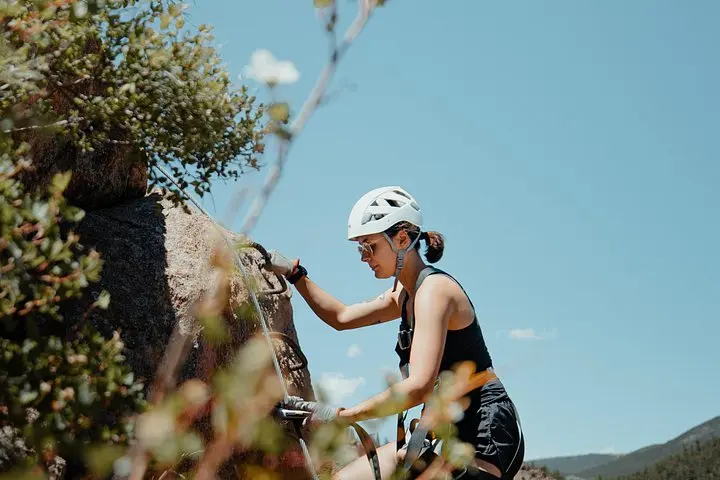
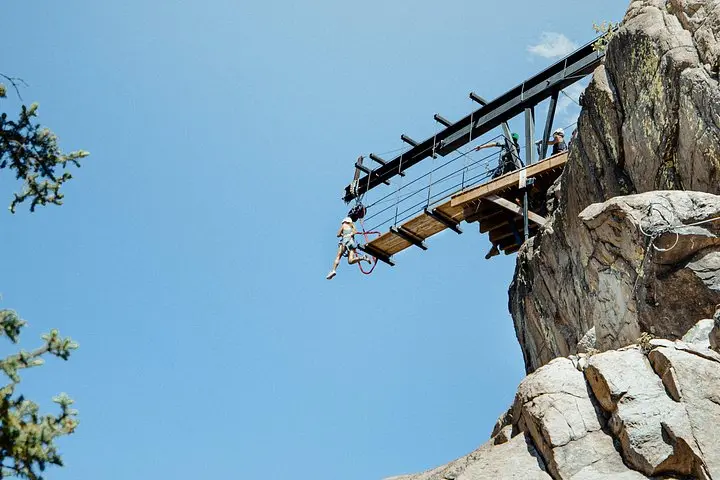
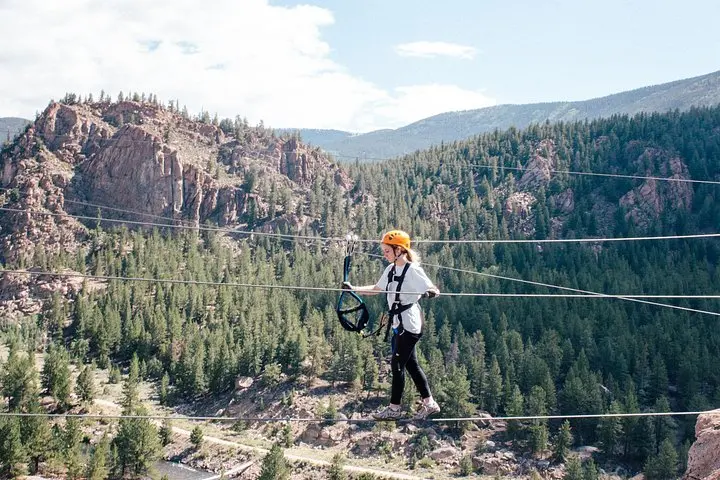
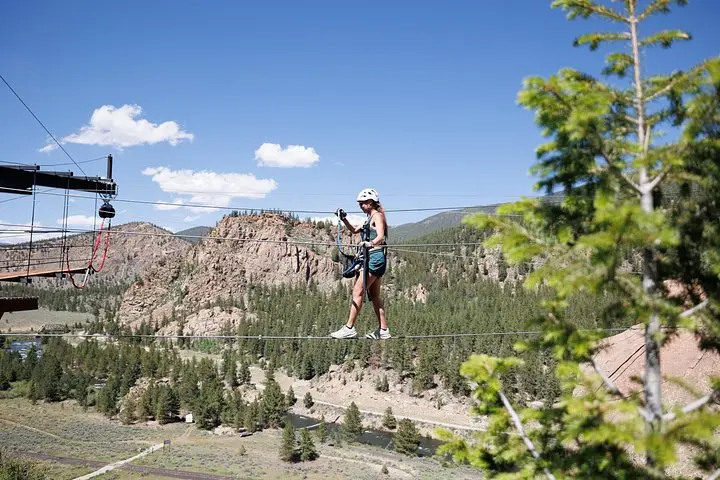
You clip in and feel the cable take your weight; wind from the Arkansas Valley pushes at your jacket and the granite underfoot is cool and coarse. The route threads iron rungs, short ladders and a suspended bridge along a sheer face, punctuated by a controlled free-fall jump and a guided rappel back to the base.
You clip in and feel the cable take your weight; wind from the Arkansas Valley pushes at your jacket and the granite underfoot is cool and coarse. The route threads iron rungs, short ladders and a suspended bridge along a sheer face, punctuated by a controlled free-fall jump and a guided rappel back to the base.
The via ferrata technique—an Italian “iron way” adopted across European alpine routes—translates cleanly to Colorado’s Sawatch foothills where hard Pleistocene granite forms steep, flaky faces. Buena Vista’s valley is shaped by glacial scouring and mining-era trails, and the town’s outdoor culture blends river running, hot springs and alpine climbing into a single regional identity.
Expect close contact with the rock: feet on small holds, hands on metal, and constant clipping and unclipping at anchors. Guides run the line, teach clipping protocols and manage rappel stations; the system’s internal-locking carabiners prevent both clips opening simultaneously. Weather can change fast—lightning cancels climbing for safety—and the course operates in most conditions otherwise. Weight limits and medical advisories apply; participants should have at least moderate fitness and comfort with exposure.
Practical tips: arrive with layers, gloves, snacks and water; wear sturdy approach shoes with sticky rubber; listen closely during the safety briefing and ask to rehearse clip transitions before committing to exposed sections. The experience is equal parts technical rhythm and paced adrenaline: a manufactured route that lets the granite do the talking while guides keep you moving forward and back to solid ground.