THE ADVENTURE COLLECTIVE® · Independent discovery and booking for outdoor travel

Spend a day off La Paz watching gray whales mother their calves in the protected shallows of Magdalena Bay. This guided, small-boat trip blends marine biology interpretation with up-close, low-impact wildlife viewing.
Spend a day off La Paz watching gray whales mother their calves in the protected shallows of Magdalena Bay. This guided, small-boat trip blends marine biology interpretation with up-close, low-impact wildlife viewing.
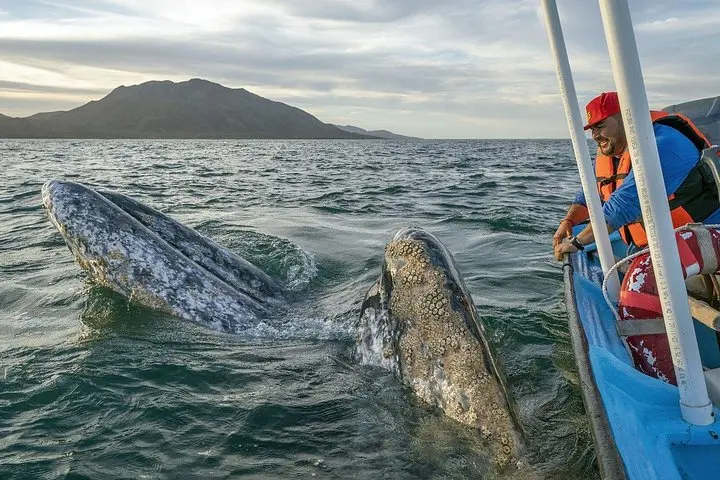
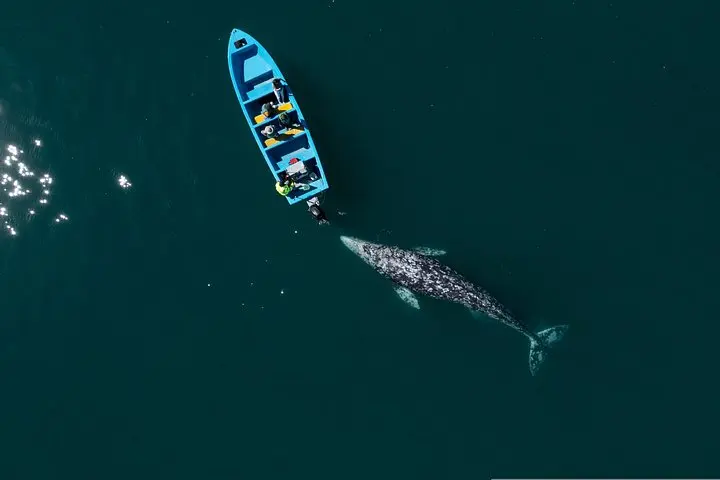
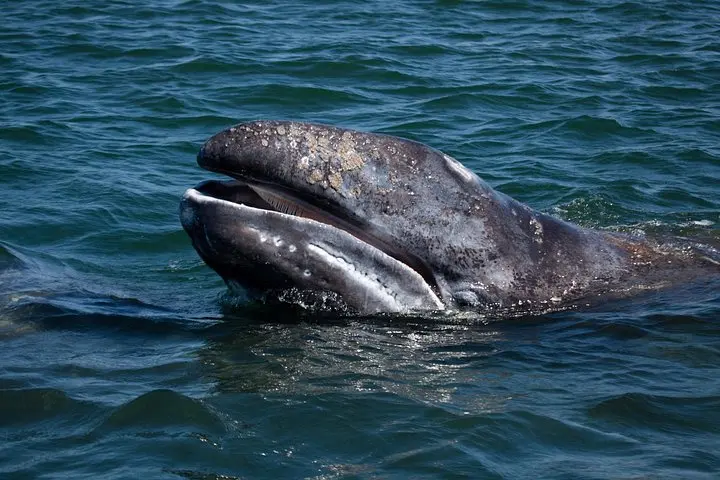
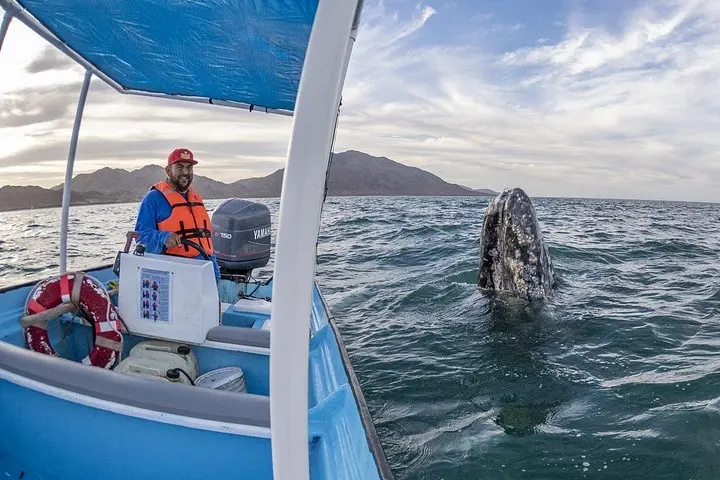
Early light paints the water silver as the panga cuts away from Puerto Chale, the village rooflines shrinking behind you and the bay opening wider. Within minutes the surface rearranges itself—breaths, tails, the gentle bob of mothers with newborn calves—an intimate display these whales stage here each winter.
Verified experiences and guided adventures in the surrounding area.
Operated by Baja Wild Adventures · Puerto Chale, Baja California Sur
Early light paints the water silver as the panga cuts away from Puerto Chale, the village rooflines shrinking behind you and the bay opening wider. Within minutes the surface rearranges itself—breaths, tails, the gentle bob of mothers with newborn calves—an intimate display these whales stage here each winter.
Magdalena Bay has long been a seasonal nursery for eastern North Pacific gray whales. Geologically, the shallow, protected lagoon and nearby islands provide calm water and warm shallows ideal for birthing and nursing; culturally, local fishing communities have coexisted with these visitors for generations and recently shifted many livelihoods toward responsible ecotourism.
On a small-boat outing led by a marine biologist, expect slow, respectful approaches, narration about whale behavior and life cycles, and sightings that emphasize family interactions—mothers, calves, sometimes curious escorts. The seabed here is sandy and shallow; tides and wind set the pace. Sea lions and passing dolphins commonly punctuate the scene and seabirds wheel overhead.
Practical guidance: trips depart from La Paz with roughly two hours each way by road; the outing on the water lasts about three hours and can total a 6–7 hour day. Bring layered sun protection, motion-sickness remedies, and binoculars; boats are small and limit guests to intimate viewing but less stabilization. Listen to the guide’s distance rules—approach limits exist to protect nursing whales.
This is an accessible, low-impact wildlife experience best booked in whale season (winter months). Timing for calm mornings improves photographic light and animal behavior; stay flexible and patient—these animals set the agenda.
Peak sightings are during the whale season from December through April, when mothers and calves use Magdalena Bay’s protected shallows.
Plan for roughly 6–7 hours total—about two hours each way by road and approximately three hours on the water.
Trips are generally suitable for most ages, but operators may advise against travel for pregnant guests or very young infants—check booking details.
Small pangas allow intimate views, but guides enforce distance limits to protect whales; a telephoto lens and binoculars improve results.
Baja Wild Adventures operates guided outdoor trips and adventures with an emphasis on safety, stewardship, and memorable experiences.
Early light paints the water silver as the panga cuts away from Puerto Chale, the village rooflines shrinking behind you and the bay opening wider. Within minutes the surface rearranges itself—breaths, tails, the gentle bob of mothers with newborn calves—an intimate display these whales stage here each winter.
Early light paints the water silver as the panga cuts away from Puerto Chale, the village rooflines shrinking behind you and the bay opening wider. Within minutes the surface rearranges itself—breaths, tails, the gentle bob of mothers with newborn calves—an intimate display these whales stage here each winter.
Magdalena Bay has long been a seasonal nursery for eastern North Pacific gray whales. Geologically, the shallow, protected lagoon and nearby islands provide calm water and warm shallows ideal for birthing and nursing; culturally, local fishing communities have coexisted with these visitors for generations and recently shifted many livelihoods toward responsible ecotourism.
On a small-boat outing led by a marine biologist, expect slow, respectful approaches, narration about whale behavior and life cycles, and sightings that emphasize family interactions—mothers, calves, sometimes curious escorts. The seabed here is sandy and shallow; tides and wind set the pace. Sea lions and passing dolphins commonly punctuate the scene and seabirds wheel overhead.
Practical guidance: trips depart from La Paz with roughly two hours each way by road; the outing on the water lasts about three hours and can total a 6–7 hour day. Bring layered sun protection, motion-sickness remedies, and binoculars; boats are small and limit guests to intimate viewing but less stabilization. Listen to the guide’s distance rules—approach limits exist to protect nursing whales.
This is an accessible, low-impact wildlife experience best booked in whale season (winter months). Timing for calm mornings improves photographic light and animal behavior; stay flexible and patient—these animals set the agenda.