THE ADVENTURE COLLECTIVE® · Independent discovery and booking for outdoor travel

Spend a full day inside Addo Elephant National Park tracking elephants, watching waterhole dramas, and learning park history from expert guides. This practical guide prepares you for wildlife encounters, what to pack, and how to make the most of a seven‑hour safari.
Spend a full day inside Addo Elephant National Park tracking elephants, watching waterhole dramas, and learning park history from expert guides. This practical guide prepares you for wildlife encounters, what to pack, and how to make the most of a seven‑hour safari.
The day opens before sunrise as your vehicle slips out of Gqeberha and the road narrows toward the scrubby ridges of Addo Elephant National Park. Low hills press in; the air smells faintly of dry grass and salt from the coast. Guides scan the horizon, binoculars raised, and the first elephants appear — a slow, deliberate line crossing toward a waterhole, trunks waving like curious hands.
Verified experiences and guided adventures in the surrounding area.
Operated by Rawson Touring · Addo, Eastern Cape
The day opens before sunrise as your vehicle slips out of Gqeberha and the road narrows toward the scrubby ridges of Addo Elephant National Park. Low hills press in; the air smells faintly of dry grass and salt from the coast. Guides scan the horizon, binoculars raised, and the first elephants appear — a slow, deliberate line crossing toward a waterhole, trunks waving like curious hands.
Established in 1931 to protect the region’s last surviving elephants, Addo has grown to include coastal dunes, karoo scrub, and the Zuurberg foothills. Geologically the park sits where the Cape Fold belt meets sedimentary plains, creating pockets of rich habitat. Culturally, nearby Xhosa communities and colonial-era farmsteads shaped roads and homesteads you’ll pass on the approach; local guides often share practical stories about land and wildlife stewardship.
The itinerary is straightforward: an early morning game drive, a shaded lunch inside park boundaries, then an afternoon loop chasing waterholes and late-light sightings. Expect open-track driving, short guided walks in designated areas, and long periods of patient observation. Wildlife can be bold — elephants will graze within sight of vehicles, and shy species slip between dense bushes.
Practical notes: arrive with layered clothing for sharp morning chills, carry a refillable water bottle, and set camera ISO and shutter priority for moving subjects. Follow your guide’s instructions: keep windows partly closed near big bulls, avoid sudden movements, and only step out in designated zones. A full day here is both gentle and intense — easy on the body, rich for the senses.
The tour is approximately 7 hours (around 420 minutes) and typically includes park fees, bottled water, lunch, an experienced guide, and transport in an air‑conditioned vehicle.
Addo is home to elephants, buffalo, and black rhino; lions and leopards are rarer (and confined to specific sections) so sightings are possible but not guaranteed.
Yes—this itinerary is rated easy and suitable for families and most older travelers, though it is not recommended for people with serious back, heart, or pregnancy-related conditions.
If you’re prone to motion sickness, take preventive medication before departure, sit toward the front of the vehicle, and focus on the horizon when possible.
Rawson Touring operates guided outdoor trips and adventures with an emphasis on safety, stewardship, and memorable experiences.
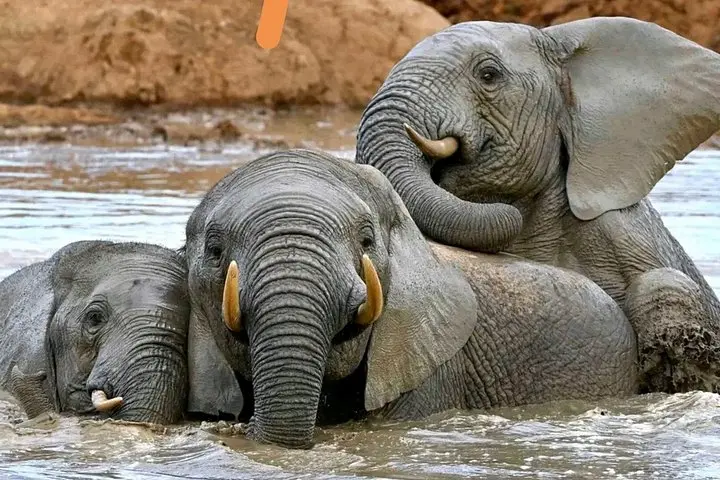
The day opens before sunrise as your vehicle slips out of Gqeberha and the road narrows toward the scrubby ridges of Addo Elephant National Park. Low hills press in; the air smells faintly of dry grass and salt from the coast. Guides scan the horizon, binoculars raised, and the first elephants appear — a slow, deliberate line crossing toward a waterhole, trunks waving like curious hands.
The day opens before sunrise as your vehicle slips out of Gqeberha and the road narrows toward the scrubby ridges of Addo Elephant National Park. Low hills press in; the air smells faintly of dry grass and salt from the coast. Guides scan the horizon, binoculars raised, and the first elephants appear — a slow, deliberate line crossing toward a waterhole, trunks waving like curious hands.
Established in 1931 to protect the region’s last surviving elephants, Addo has grown to include coastal dunes, karoo scrub, and the Zuurberg foothills. Geologically the park sits where the Cape Fold belt meets sedimentary plains, creating pockets of rich habitat. Culturally, nearby Xhosa communities and colonial-era farmsteads shaped roads and homesteads you’ll pass on the approach; local guides often share practical stories about land and wildlife stewardship.
The itinerary is straightforward: an early morning game drive, a shaded lunch inside park boundaries, then an afternoon loop chasing waterholes and late-light sightings. Expect open-track driving, short guided walks in designated areas, and long periods of patient observation. Wildlife can be bold — elephants will graze within sight of vehicles, and shy species slip between dense bushes.
Practical notes: arrive with layered clothing for sharp morning chills, carry a refillable water bottle, and set camera ISO and shutter priority for moving subjects. Follow your guide’s instructions: keep windows partly closed near big bulls, avoid sudden movements, and only step out in designated zones. A full day here is both gentle and intense — easy on the body, rich for the senses.