THE ADVENTURE COLLECTIVE® · Independent discovery and booking for outdoor travel

Descend beneath Tiradentes’ cobbled streets to explore over 600 meters of 18th‑century galleries. The Great Central Gold Mine tour mixes geology and colonial history in a compact, guided underground visit.
Descend beneath Tiradentes’ cobbled streets to explore over 600 meters of 18th‑century galleries. The Great Central Gold Mine tour mixes geology and colonial history in a compact, guided underground visit.
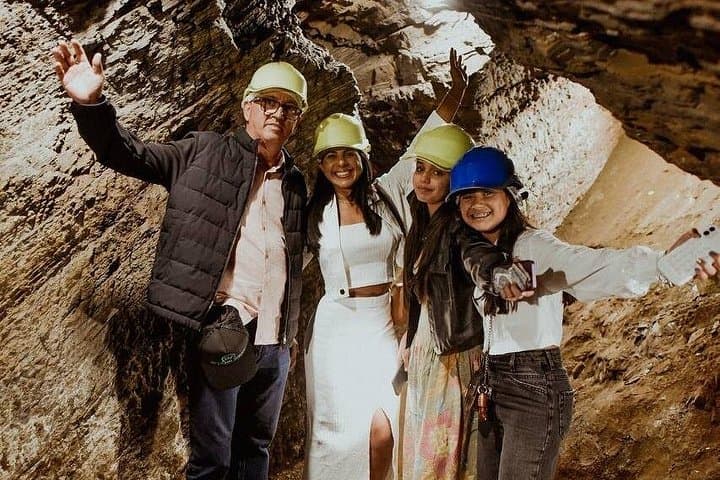
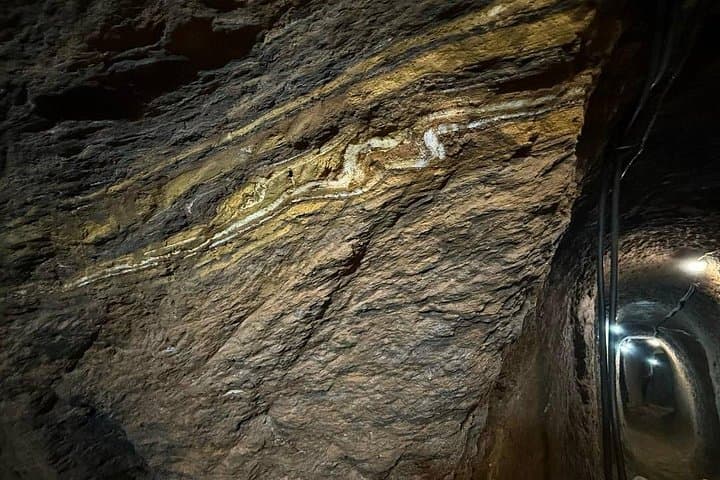
Light from the street fades as a guide leads visitors down a narrow stair into cool, low-lit galleries where quartz veins and ochre-stained walls claim the light back. The air is mineral-scented; the rock seems to hold its own quiet history, the gold once sought after now mostly thin flecks in quartz that dare you to look closer.
Verified experiences and guided adventures in the surrounding area.
Operated by Grande Mina Central · Tiradentes, Minas Gerais
Light from the street fades as a guide leads visitors down a narrow stair into cool, low-lit galleries where quartz veins and ochre-stained walls claim the light back. The air is mineral-scented; the rock seems to hold its own quiet history, the gold once sought after now mostly thin flecks in quartz that dare you to look closer.
The Great Central Gold Mine dates to the 18th-century Minas Gerais gold rush and sits just 350 meters from Tiradentes Square. Over 600 meters of passages spread across four levels, cut into the Quadrilátero Ferrífero — Brazil’s iron-rich geological heart. Mineral pigments visible in the galleries explain the ochres and reds used in colonial church paint, while iron ore seams remind you this landscape has long been worked by hands and machines.
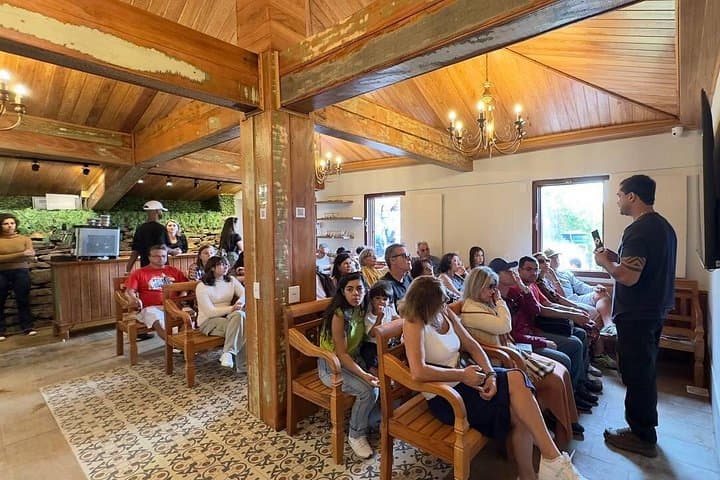
Local culture in Tiradentes mixes baroque architecture with living crafts; a short walk after the tour lands you in cobbled streets and artisan shops. Guides explain mining techniques and point out geological features, making the mine as much a living classroom as a historic site.
Practicalities: the guided visit runs about 30–40 minutes and includes helmets. Expect uneven steps, low ceilings in places and temperatures noticeably cooler underground. The tour is suitable for most fitness levels but isn’t fully wheelchair-accessible. Bring closed-toe shoes, a light layer for the cool interior, and a camera (without flash on fragile surfaces). Follow the guide’s instructions, avoid touching mineral surfaces, and allow extra time in Tiradentes for food and local museums — the mine is a compact, intense slice of colonial mining history.
Guided visits typically last 30–40 minutes, with commentary about geology and mining history included.
Yes—children can join but infants must sit on an adult’s lap; parents should consider stairs and low ceilings.
Yes, but avoid flash on delicate mineral pigments and always follow the guide’s instructions regarding photography.
The historic galleries include stairs and narrow passages and are not fully wheelchair-accessible; contact the operator for specific accessibility options.
Grande Mina Central operates guided outdoor trips and adventures with an emphasis on safety, stewardship, and memorable experiences.

Light from the street fades as a guide leads visitors down a narrow stair into cool, low-lit galleries where quartz veins and ochre-stained walls claim the light back. The air is mineral-scented; the rock seems to hold its own quiet history, the gold once sought after now mostly thin flecks in quartz that dare you to look closer.
Light from the street fades as a guide leads visitors down a narrow stair into cool, low-lit galleries where quartz veins and ochre-stained walls claim the light back. The air is mineral-scented; the rock seems to hold its own quiet history, the gold once sought after now mostly thin flecks in quartz that dare you to look closer.
The Great Central Gold Mine dates to the 18th-century Minas Gerais gold rush and sits just 350 meters from Tiradentes Square. Over 600 meters of passages spread across four levels, cut into the Quadrilátero Ferrífero — Brazil’s iron-rich geological heart. Mineral pigments visible in the galleries explain the ochres and reds used in colonial church paint, while iron ore seams remind you this landscape has long been worked by hands and machines.
Local culture in Tiradentes mixes baroque architecture with living crafts; a short walk after the tour lands you in cobbled streets and artisan shops. Guides explain mining techniques and point out geological features, making the mine as much a living classroom as a historic site.
Practicalities: the guided visit runs about 30–40 minutes and includes helmets. Expect uneven steps, low ceilings in places and temperatures noticeably cooler underground. The tour is suitable for most fitness levels but isn’t fully wheelchair-accessible. Bring closed-toe shoes, a light layer for the cool interior, and a camera (without flash on fragile surfaces). Follow the guide’s instructions, avoid touching mineral surfaces, and allow extra time in Tiradentes for food and local museums — the mine is a compact, intense slice of colonial mining history.