THE ADVENTURE COLLECTIVE® · Independent discovery and booking for outdoor travel

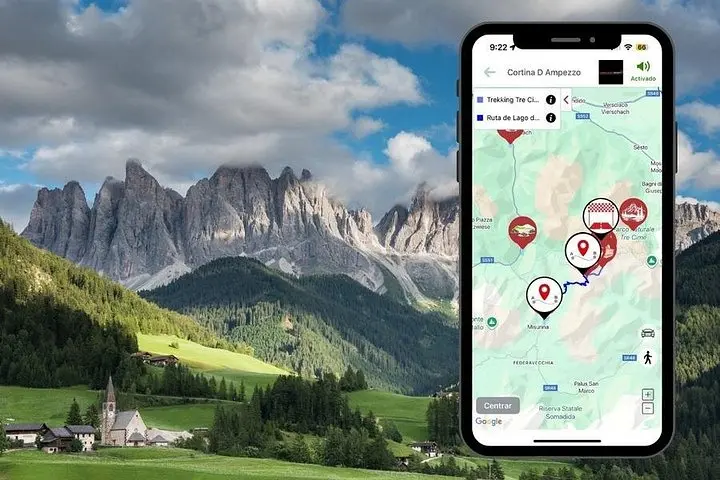
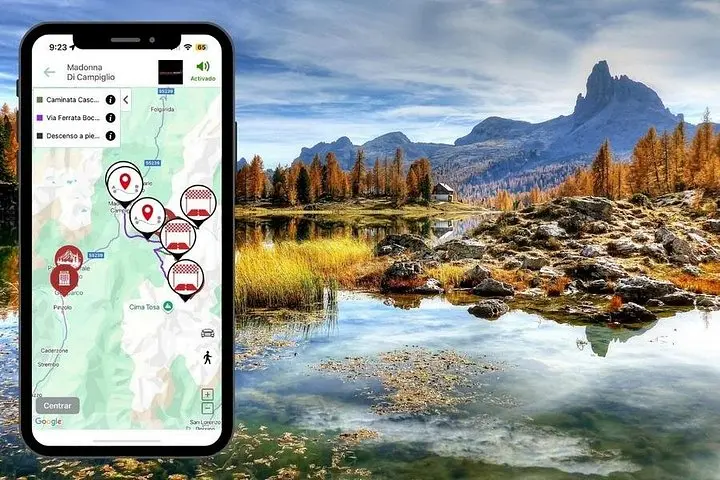
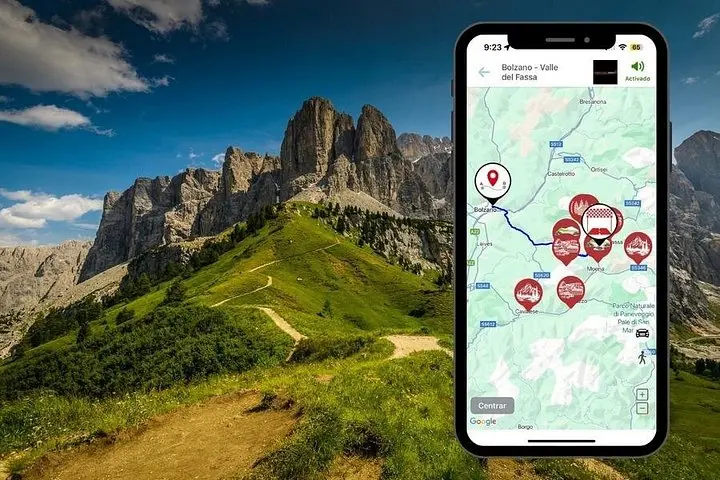
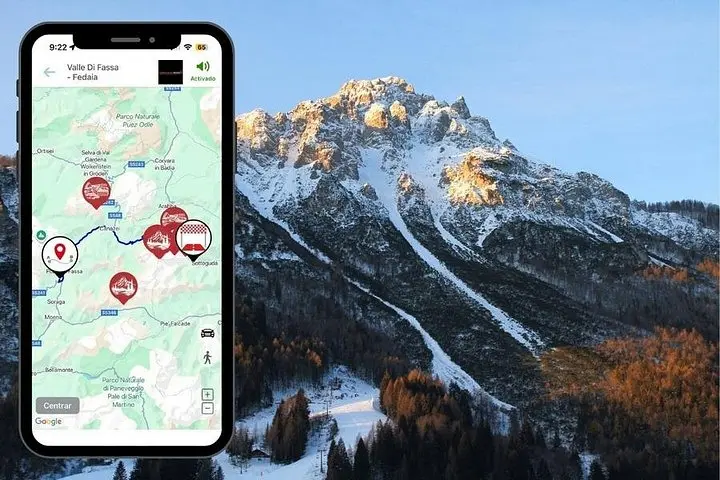
Navigate the Dolomites at your own pace with a geolocated audio guide that links Trento, Madonna di Campiglio, Bolzano, Fassa Valley and the Tre Cime. Learn geology, wartime history and local culture while driving scenic passes and stopping for short hikes.
Navigate the Dolomites at your own pace with a geolocated audio guide that links Trento, Madonna di Campiglio, Bolzano, Fassa Valley and the Tre Cime. Learn geology, wartime history and local culture while driving scenic passes and stopping for short hikes.
Mornings on the Great Dolomites Road begin with a low sun cutting across limestone spires; the audio guide’s voice points out a ruined wartime trench as you pull into a small pass. The route threads Trento’s medieval alleys into high mountain roads—Pordoi’s hairpins, the cable‑car vantage of Sass Pordoi, the steely flank of the Marmolada glacier—each stop scored by clear, geolocated commentary.
Verified experiences and guided adventures in the surrounding area.
Operated by BARCELONA LANDS · Trento, Trentino-Alto Adige
Mornings on the Great Dolomites Road begin with a low sun cutting across limestone spires; the audio guide’s voice points out a ruined wartime trench as you pull into a small pass. The route threads Trento’s medieval alleys into high mountain roads—Pordoi’s hairpins, the cable‑car vantage of Sass Pordoi, the steely flank of the Marmolada glacier—each stop scored by clear, geolocated commentary.
Geology here is blunt and angular: Dolomite rock lifts in sheer faces from meadow basins shaped by glaciers. Human history sits in the folds—WWI fortifications, Ladin culture in the Fassa Valley and the Ötzi story preserved in Bolzano’s museum. Villages like Cortina and Bolzano trade alpine commerce for winter sport legacies and summer trekking gateways.
Travelers can expect a driving route punctuated by short walks (Lago di Carezza, Tre Cime 10 km circuit) and interpretive pauses at museums and rifugi. Elevation swings are significant—valleys around 700–1,000 m to passes above 2,200 m—so weather and visibility change fast. The audio guide lets independent travelers move at their own pace without a group, with multilingual narration and mapped POIs that mark parking, trailheads and cable cars.
Practical edge: start drives before mid‑day to avoid crowds at viewpoints, keep fuel and cash for small parking lots, and use off‑line maps where mobile signal fades. Footwear should handle rocky trails and wet boardwalks; layers and a waterproof shell are essential above 2,000 m. With preparation, the audio guide converts a scenic drive into a measured exploration of alpine geology, wartime history and local mountain culture.
No—the guide is designed for self‑paced use; you can stop, replay sections and extend time at points of interest.
The audioguide provides narration in English, French, Spanish, Italian and Portuguese.
High passes can be closed or require snow chains in winter; check local conditions and consider summer or late‑spring for most services.
Many sections are reachable by regional buses and trains, but the guide is optimized for road travel where stops and parking are part of the experience.
BARCELONA LANDS operates guided outdoor trips and adventures with an emphasis on safety, stewardship, and memorable experiences.
Mornings on the Great Dolomites Road begin with a low sun cutting across limestone spires; the audio guide’s voice points out a ruined wartime trench as you pull into a small pass. The route threads Trento’s medieval alleys into high mountain roads—Pordoi’s hairpins, the cable‑car vantage of Sass Pordoi, the steely flank of the Marmolada glacier—each stop scored by clear, geolocated commentary.
Mornings on the Great Dolomites Road begin with a low sun cutting across limestone spires; the audio guide’s voice points out a ruined wartime trench as you pull into a small pass. The route threads Trento’s medieval alleys into high mountain roads—Pordoi’s hairpins, the cable‑car vantage of Sass Pordoi, the steely flank of the Marmolada glacier—each stop scored by clear, geolocated commentary.
Geology here is blunt and angular: Dolomite rock lifts in sheer faces from meadow basins shaped by glaciers. Human history sits in the folds—WWI fortifications, Ladin culture in the Fassa Valley and the Ötzi story preserved in Bolzano’s museum. Villages like Cortina and Bolzano trade alpine commerce for winter sport legacies and summer trekking gateways.
Travelers can expect a driving route punctuated by short walks (Lago di Carezza, Tre Cime 10 km circuit) and interpretive pauses at museums and rifugi. Elevation swings are significant—valleys around 700–1,000 m to passes above 2,200 m—so weather and visibility change fast. The audio guide lets independent travelers move at their own pace without a group, with multilingual narration and mapped POIs that mark parking, trailheads and cable cars.
Practical edge: start drives before mid‑day to avoid crowds at viewpoints, keep fuel and cash for small parking lots, and use off‑line maps where mobile signal fades. Footwear should handle rocky trails and wet boardwalks; layers and a waterproof shell are essential above 2,000 m. With preparation, the audio guide converts a scenic drive into a measured exploration of alpine geology, wartime history and local mountain culture.