THE ADVENTURE COLLECTIVE® · Independent discovery and booking for outdoor travel

Try your first breath underwater on Great Keppel Island with a PADI Discover Scuba Dive. This three-hour experience pairs a short classroom session with a guided 30–45 minute reef dive in sheltered waters on the southern Great Barrier Reef.
Try your first breath underwater on Great Keppel Island with a PADI Discover Scuba Dive. This three-hour experience pairs a short classroom session with a guided 30–45 minute reef dive in sheltered waters on the southern Great Barrier Reef.
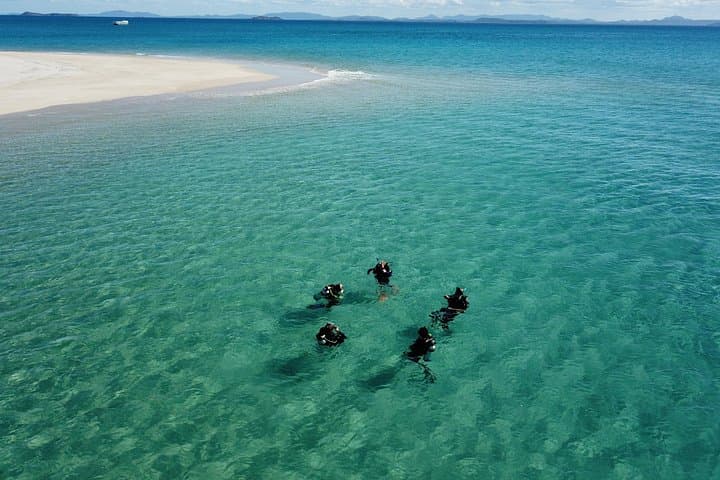
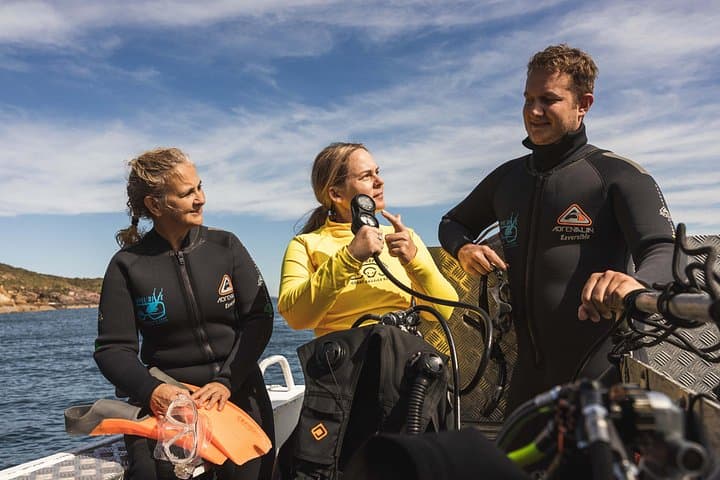
You step off the Keppel Konnections ferry onto a white spit of sand, salt on your lips and the island wind already rearranging your plans. The blue Keppel Dive Hut is a short walk down a sandy path from the GKI Hideaway Resort — a tidy base where instructors fit masks and run through safety checks before the boat pushes away toward shallow reef bommies.
Verified experiences and guided adventures in the surrounding area.
Operated by Keppel Dive & Water Sports · Great Keppel Island, Queensland
You step off the Keppel Konnections ferry onto a white spit of sand, salt on your lips and the island wind already rearranging your plans. The blue Keppel Dive Hut is a short walk down a sandy path from the GKI Hideaway Resort — a tidy base where instructors fit masks and run through safety checks before the boat pushes away toward shallow reef bommies.
This stretch of reef sits on the southern edge of the Great Barrier Reef, carved from ancient coral growth and lifted by sea-level shifts across millennia. The islands are Woppaburra country; local Indigenous heritage and later European island uses — grazing and small-scale tourism — shaped the human story here. Geologically the reef is a patchwork of living coral, sand channels, and limestone outcrops that create sheltered gullies where fish congregate.
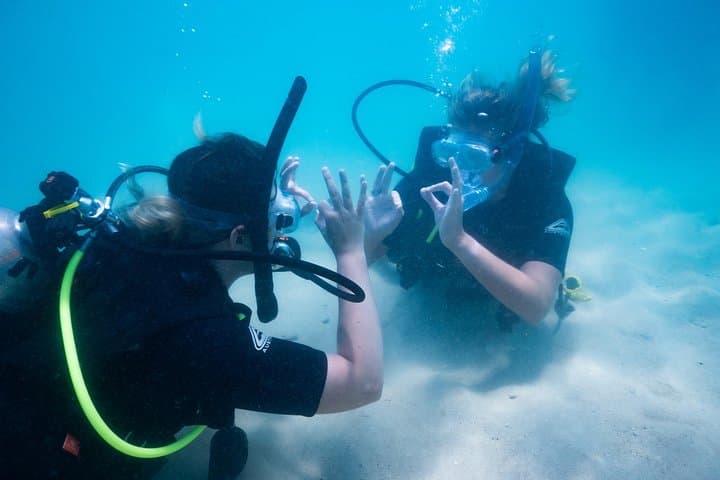
The Discover Scuba uses a short theory session, equipment familiarization and in-water drills before a 30–45 minute guided dive in sheltered reef. Expect colorful staghorn and brain corals, busy reef fish, and the occasional green turtle gliding through coral gardens. Currents are usually gentle but can nudge you; instructors control pace.
Practical note: arrive with swimwear and a lightweight cover-up, hydrate before the briefing, and avoid lotions that aren’t reef-safe. The full experience takes about three hours from check-in to return; children meeting minimum age and non-swimmers should discuss options with the operator. For first-timers this trip balances safety and spectacle — it’s an accessible, well-supervised introduction to the underwater world of the southern Great Barrier Reef.
No—Discover Scuba is designed for first-time divers; you’ll complete a short theory talk and confined-water skills before the guided open-water dive.
Minimum age varies by operator—confirm at booking; many operators accept children around 10–12 with parental consent and evaluation.
You should be comfortable in the water and able to float; discuss concerns with the provider—some non-swimmers can participate with additional supervision.
Trips are weather-dependent; operators will notify you and offer a refund or reschedule if sea conditions are unsafe.
Keppel Dive & Water Sports operates guided outdoor trips and adventures with an emphasis on safety, stewardship, and memorable experiences.
You step off the Keppel Konnections ferry onto a white spit of sand, salt on your lips and the island wind already rearranging your plans. The blue Keppel Dive Hut is a short walk down a sandy path from the GKI Hideaway Resort — a tidy base where instructors fit masks and run through safety checks before the boat pushes away toward shallow reef bommies.
You step off the Keppel Konnections ferry onto a white spit of sand, salt on your lips and the island wind already rearranging your plans. The blue Keppel Dive Hut is a short walk down a sandy path from the GKI Hideaway Resort — a tidy base where instructors fit masks and run through safety checks before the boat pushes away toward shallow reef bommies.
This stretch of reef sits on the southern edge of the Great Barrier Reef, carved from ancient coral growth and lifted by sea-level shifts across millennia. The islands are Woppaburra country; local Indigenous heritage and later European island uses — grazing and small-scale tourism — shaped the human story here. Geologically the reef is a patchwork of living coral, sand channels, and limestone outcrops that create sheltered gullies where fish congregate.
The Discover Scuba uses a short theory session, equipment familiarization and in-water drills before a 30–45 minute guided dive in sheltered reef. Expect colorful staghorn and brain corals, busy reef fish, and the occasional green turtle gliding through coral gardens. Currents are usually gentle but can nudge you; instructors control pace.
Practical note: arrive with swimwear and a lightweight cover-up, hydrate before the briefing, and avoid lotions that aren’t reef-safe. The full experience takes about three hours from check-in to return; children meeting minimum age and non-swimmers should discuss options with the operator. For first-timers this trip balances safety and spectacle — it’s an accessible, well-supervised introduction to the underwater world of the southern Great Barrier Reef.