THE ADVENTURE COLLECTIVE® · Independent discovery and booking for outdoor travel

Spend four days on a camping safari timed for the Great Migration’s river crossings. Experience sunrise and sunset game drives, Maasai cultural insights, and the raw spectacle of thousands of wildebeest testing the Mara River.
Spend four days on a camping safari timed for the Great Migration’s river crossings. Experience sunrise and sunset game drives, Maasai cultural insights, and the raw spectacle of thousands of wildebeest testing the Mara River.
Dawn arrives in the Masai Mara as a low, cool light unrolls across grass and willows; dust lifts from a line of grazers and the river ahead gurgles with the nervous energy of migration. On this four-day camping safari you sit in an open-top 4x4 and watch the plains rearrange themselves—lions lounging on termite mounds, zebra stripes flashing across the horizon, and the Mara River daring thousands of wildebeest to cross.
Verified experiences and guided adventures in the surrounding area.
Operated by Africa Tours · Talek, Narok County
Dawn arrives in the Masai Mara as a low, cool light unrolls across grass and willows; dust lifts from a line of grazers and the river ahead gurgles with the nervous energy of migration. On this four-day camping safari you sit in an open-top 4x4 and watch the plains rearrange themselves—lions lounging on termite mounds, zebra stripes flashing across the horizon, and the Mara River daring thousands of wildebeest to cross.
Geologically the Mara sits on the floor of the Great Rift Valley, a sweep of escarpments and fertile plains carved by tectonic forces—elevation here hovers around 1,400–1,700 m, which keeps mornings crisp and afternoons warm. Culturally the region is Maasai country: many camps and conservancies work with Maasai communities who manage grazing lands and guide cultural visits. The Mara’s modern conservation story is one of community conservancies and anti-poaching efforts that balance tourism with habitat protection.
Practically, expect long game drives at sunrise and late afternoon when predators are active; mid-day is for camp, lunch, and naps beneath acacia shade. Roads range from hard-packed tracks to sandy, corrugated trails—a high-clearance 4x4 is standard. Camps are basic safari tents with shared facilities; listen for hyena calls at night and keep food secured. From Nairobi the drive is roughly 4–6 hours (≈250–300 km) via the Rift Valley; flights to local airstrips shorten transit.
Bring layers for cold mornings, sun protection for long game drives, and binoculars for river crossings. Respect wildlife distances, follow guide instructions, and allot extra time—wildlife schedules aren’t on anyone’s clock but their own.
Peak river crossings typically occur July–September, though timing shifts annually with rain patterns; August is often most reliable for dramatic crossings.
Visitors to Kenya usually need a visa (eVisa) and standard travel vaccinations; consult your doctor about yellow fever, typhoid, and malaria prophylaxis well before travel.
Camps use experienced staff, fenced or raised tents, and strict food protocols; always follow guides’ instructions—wildlife encounters are managed but remain unpredictable.
Tipping for guides and camp staff is customary—expect to tip guides, drivers, and camp crews at your discretion; many trips suggest pooled tips for staff.
Africa Tours operates guided outdoor trips and adventures with an emphasis on safety, stewardship, and memorable experiences.


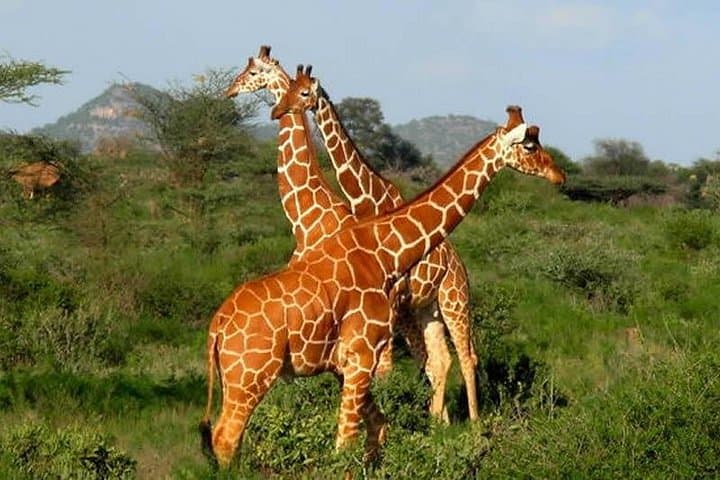

Dawn arrives in the Masai Mara as a low, cool light unrolls across grass and willows; dust lifts from a line of grazers and the river ahead gurgles with the nervous energy of migration. On this four-day camping safari you sit in an open-top 4x4 and watch the plains rearrange themselves—lions lounging on termite mounds, zebra stripes flashing across the horizon, and the Mara River daring thousands of wildebeest to cross.
Dawn arrives in the Masai Mara as a low, cool light unrolls across grass and willows; dust lifts from a line of grazers and the river ahead gurgles with the nervous energy of migration. On this four-day camping safari you sit in an open-top 4x4 and watch the plains rearrange themselves—lions lounging on termite mounds, zebra stripes flashing across the horizon, and the Mara River daring thousands of wildebeest to cross.
Geologically the Mara sits on the floor of the Great Rift Valley, a sweep of escarpments and fertile plains carved by tectonic forces—elevation here hovers around 1,400–1,700 m, which keeps mornings crisp and afternoons warm. Culturally the region is Maasai country: many camps and conservancies work with Maasai communities who manage grazing lands and guide cultural visits. The Mara’s modern conservation story is one of community conservancies and anti-poaching efforts that balance tourism with habitat protection.
Practically, expect long game drives at sunrise and late afternoon when predators are active; mid-day is for camp, lunch, and naps beneath acacia shade. Roads range from hard-packed tracks to sandy, corrugated trails—a high-clearance 4x4 is standard. Camps are basic safari tents with shared facilities; listen for hyena calls at night and keep food secured. From Nairobi the drive is roughly 4–6 hours (≈250–300 km) via the Rift Valley; flights to local airstrips shorten transit.
Bring layers for cold mornings, sun protection for long game drives, and binoculars for river crossings. Respect wildlife distances, follow guide instructions, and allot extra time—wildlife schedules aren’t on anyone’s clock but their own.