
Great Migration & Ngorongoro Wonders: 5-Day Northern Tanzania Safari
Witness the Mara River crossings, descend the dramatic Ngorongoro Crater and explore baobab-dotted Tarangire on this five-day northern Tanzania safari. Ideal for wildlife photographers and first-time safari travelers seeking high-density game viewing and the Great Migration spectacle.
An Adventure In Arusha.
Witness the Mara River crossings, descend the dramatic Ngorongoro Crater and explore baobab-dotted Tarangire on this five-day northern Tanzania safari. Ideal for wildlife photographers and first-time safari travelers seeking high-density game viewing and the Great Migration spectacle.
Read the full experience
The Mara River tears through the morning light as wildebeest and zebra shoulder the current, crocodiles waiting in the shallows—this is where the landscape dares you to watch.
The Mara River tears through the morning light as wildebeest and zebra shoulder the current, crocodiles waiting in the shallows—this is where the landscape dares you to watch.
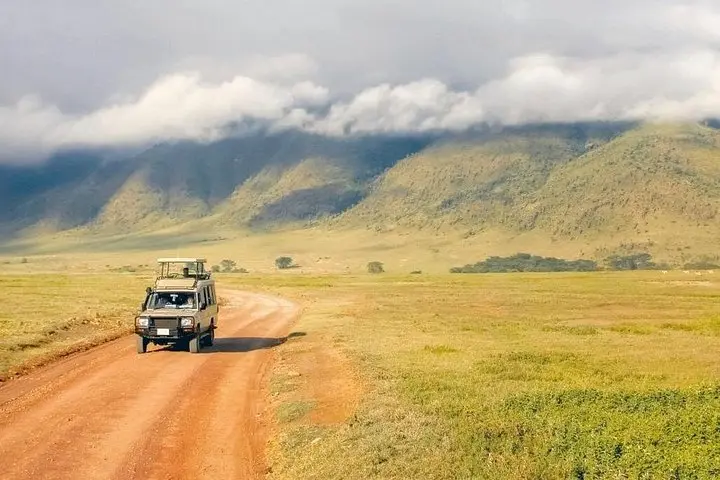
On a five-day loop from Arusha you move between open savanna, crater rim and riverine forest: early game drives in the Northern Serengeti, a full day inside the Ngorongoro Crater, and a final sweep through Tarangire’s baobab-dotted plains. The Serengeti’s name comes from the Maasai word "Siringet," meaning endless plains; the Ngorongoro Crater is a volcanic caldera dropped roughly 610 meters from its rim, creating a self-contained basin that concentrates game.
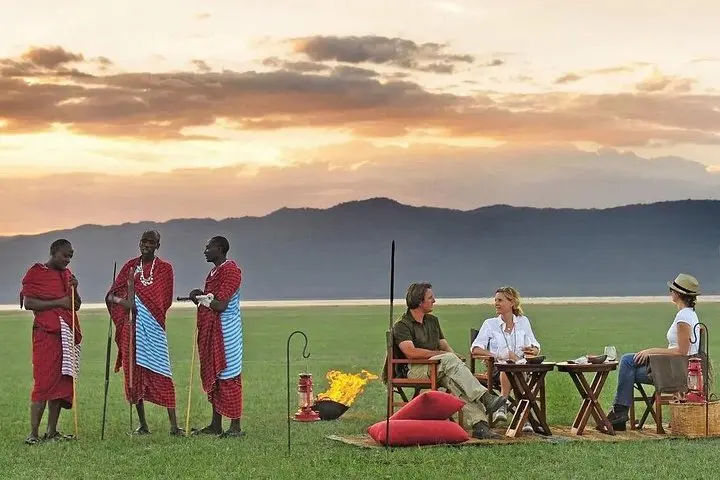
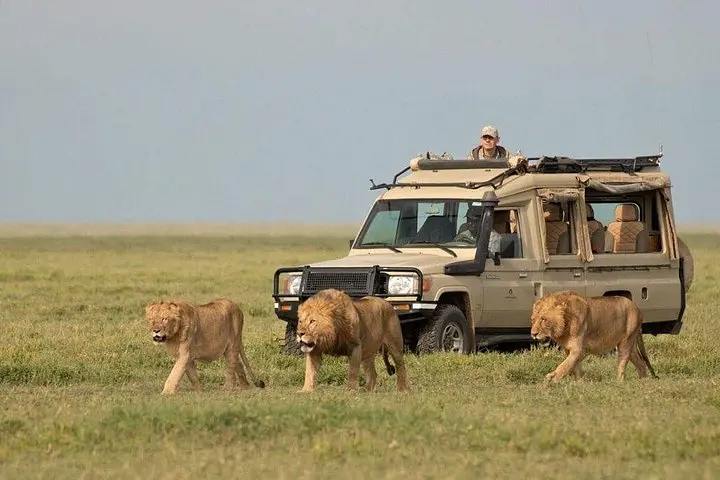
You’ll sleep in tented camps and lodges run by local operators, and meet Maasai people whose grazing patterns and cultural practices have shaped the region for generations. Geology and ecology intersect here: seasonal rainfall drives the migration that funnels millions of herbivores across packed earth, while permanent watering holes in Ngorongoro sustain resident populations and the highest density of large predators on the planet.
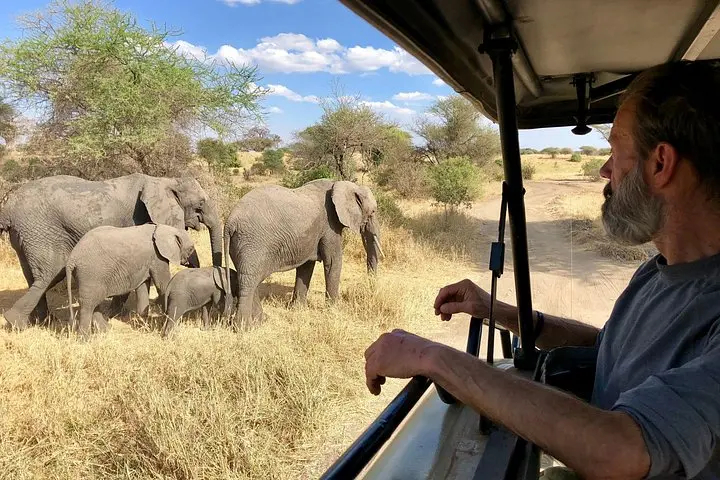
Practical guidance: expect long days in a 4x4 with intermittent walking; early mornings (pre-dawn departures) are normal. Pack binoculars, neutral-colored clothing, sunscreen and a small daypack for camera gear. Motion-sickness remedies help on bumpy park tracks; carry cash for tips and small purchases. The migration’s river crossings are most dramatic July–October, while quieter wildlife viewing and birding are excellent during the wet season. Respect park rules, keep distance from animals, and lean on your English-speaking guide—their local knowledge is the difference between seeing a distant herd and witnessing a river crossing up close.
Frequently asked questions
July through early October is peak time for northern Serengeti river crossings when herds move toward the Maasai Mara in Kenya.
Malaria risk exists in parts of northern Tanzania—consult your doctor before travel and use mosquito precautions at dusk and night.
Many multi-day safari packages include park fees and internal flights—confirm with the operator which fees and flights are covered in your booking.
Maintain the safe distance your guide specifies; vehicles and brief guided walks (if offered) allow closer viewing under controlled conditions.
About This Experience
King Mufasa Expeditions operates guided outdoor trips and adventures with an emphasis on safety, stewardship, and memorable experiences.
Adventure tips
Recommended gear
- Binoculars (8x42+): Essential for scanning herds, spotting predators and viewing birds from a distance.
- Light, neutral clothing and sunhat: Neutral colors reduce disturbance to wildlife; sun protection is crucial for long, exposed drives.
- Sturdy walking shoes: Useful for short walks around camps and lodges and for stability on uneven ground.
- Daypack with water and camera: Keeps personal items accessible during game drives and short excursions from camp.
Photos of the experience
Related adventures & guides
Read the full experience
The Mara River tears through the morning light as wildebeest and zebra shoulder the current, crocodiles waiting in the shallows—this is where the landscape dares you to watch.
The Mara River tears through the morning light as wildebeest and zebra shoulder the current, crocodiles waiting in the shallows—this is where the landscape dares you to watch.
On a five-day loop from Arusha you move between open savanna, crater rim and riverine forest: early game drives in the Northern Serengeti, a full day inside the Ngorongoro Crater, and a final sweep through Tarangire’s baobab-dotted plains. The Serengeti’s name comes from the Maasai word "Siringet," meaning endless plains; the Ngorongoro Crater is a volcanic caldera dropped roughly 610 meters from its rim, creating a self-contained basin that concentrates game.
You’ll sleep in tented camps and lodges run by local operators, and meet Maasai people whose grazing patterns and cultural practices have shaped the region for generations. Geology and ecology intersect here: seasonal rainfall drives the migration that funnels millions of herbivores across packed earth, while permanent watering holes in Ngorongoro sustain resident populations and the highest density of large predators on the planet.
Practical guidance: expect long days in a 4x4 with intermittent walking; early mornings (pre-dawn departures) are normal. Pack binoculars, neutral-colored clothing, sunscreen and a small daypack for camera gear. Motion-sickness remedies help on bumpy park tracks; carry cash for tips and small purchases. The migration’s river crossings are most dramatic July–October, while quieter wildlife viewing and birding are excellent during the wet season. Respect park rules, keep distance from animals, and lean on your English-speaking guide—their local knowledge is the difference between seeing a distant herd and witnessing a river crossing up close.
Make a day of it nearby.
Verified experiences and guided adventures in the surrounding area.