THE ADVENTURE COLLECTIVE® · Independent discovery and booking for outdoor travel

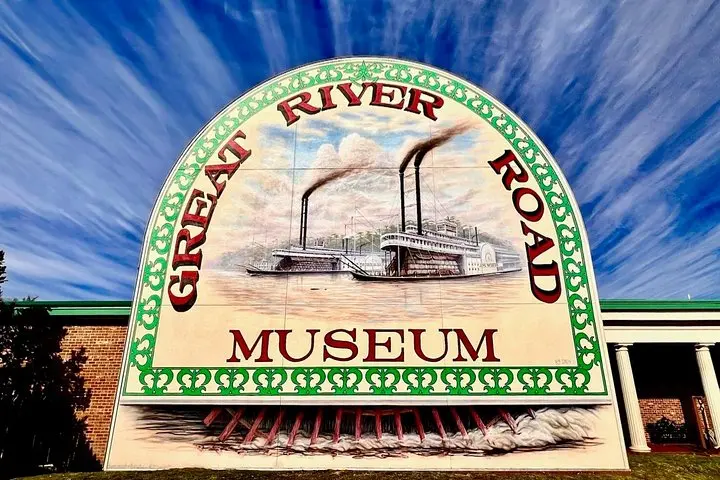
Explore 30,000 square feet of Mississippi River history at the Great River Road Museum beside Houmas House. From Napoleon’s death mask to sugarcane equipment and plantation portraits, the museum pairs powerful artifacts with 38 acres of gardens.
Explore 30,000 square feet of Mississippi River history at the Great River Road Museum beside Houmas House. From Napoleon’s death mask to sugarcane equipment and plantation portraits, the museum pairs powerful artifacts with 38 acres of gardens.
Stepping through the museum doors beside Houmas House Estate, visitors move from the hush of live oaks into a room-sized history of the Mississippi River corridor. Light from tall windows finds oil paintings of steamboats while display cases hold unexpected relics — Napoleon’s death mask, a 35‑star American flag, a 1916 Rex costume — each object a blunt, human echo of 19th-century river life.
Verified experiences and guided adventures in the surrounding area.
Operated by Houmas House Plantation and Gardens · Darrow, Louisiana
Stepping through the museum doors beside Houmas House Estate, visitors move from the hush of live oaks into a room-sized history of the Mississippi River corridor. Light from tall windows finds oil paintings of steamboats while display cases hold unexpected relics — Napoleon’s death mask, a 35‑star American flag, a 1916 Rex costume — each object a blunt, human echo of 19th-century river life.
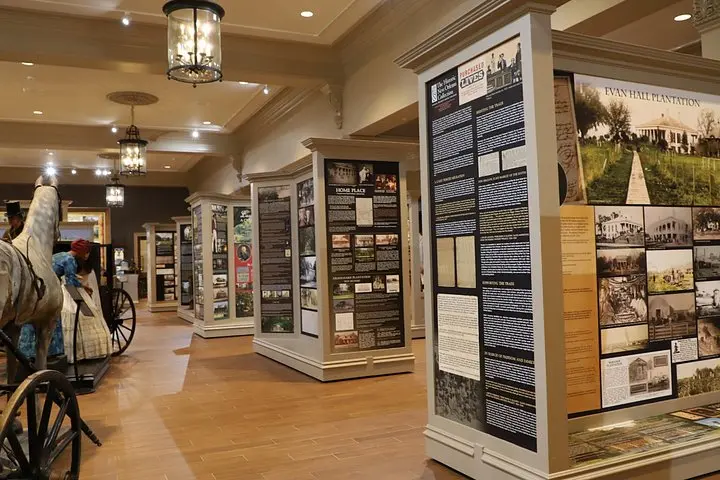
The Great River Road Museum organizes its 30,000 square feet around commerce, culture and conflict: sugarcane technology and carriage displays sit near exhibits on the Louisiana Purchase, the Battle of New Orleans and the Civil War. Portraits of plantation owners and artifacts tied to enslaved labor confront the economic engine that shaped the region.
Geology and hydrology frame the story; the Mississippi has long driven settlement patterns, flooding cycles and the rise of river towns. Gardens on the 38-acre estate provide a living counterpoint — magnolias and live oaks shade paths where migratory birds pass through.
Practical guidance: allow 60–120 minutes for the museum; budget extra time for the gardens. Admission includes the museum; a buffet breakfast or lunch is available on site for an additional fee. The site is wheelchair and stroller accessible; check hours before arrival and bring a reusable water bottle — southern summers get hot. At check‑in, give your name to receive a visitor sticker required for entry. Early morning visits avoid crowds and heat, while late afternoons offer softer light for photographing the grounds.
Plan 60–120 minutes for the museum; add time if you want to tour the 38 acres of gardens or dine on site.
Yes — the museum and most surfaces are wheelchair and stroller accessible; contact the property for specific needs.
Full refunds are available if you cancel at least 24 hours prior to the scheduled time per the booking policy.
No — museum admission is included, but the on-site buffet for breakfast or lunch is an additional fee purchased separately.
Houmas House Plantation and Gardens operates guided outdoor trips and adventures with an emphasis on safety, stewardship, and memorable experiences.
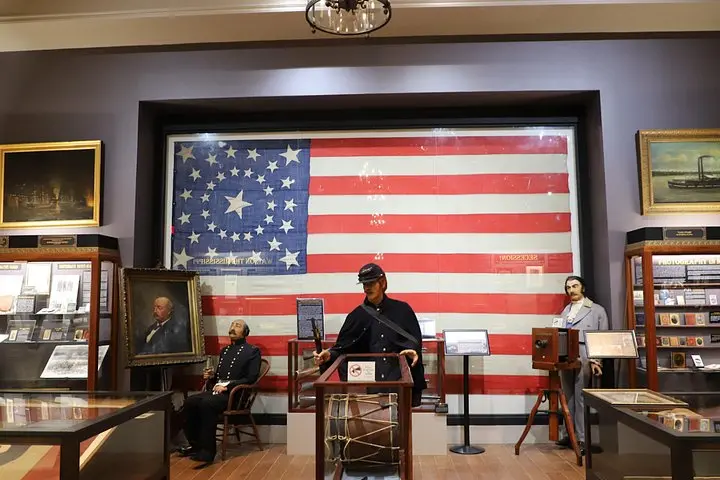

Stepping through the museum doors beside Houmas House Estate, visitors move from the hush of live oaks into a room-sized history of the Mississippi River corridor. Light from tall windows finds oil paintings of steamboats while display cases hold unexpected relics — Napoleon’s death mask, a 35‑star American flag, a 1916 Rex costume — each object a blunt, human echo of 19th-century river life.
Stepping through the museum doors beside Houmas House Estate, visitors move from the hush of live oaks into a room-sized history of the Mississippi River corridor. Light from tall windows finds oil paintings of steamboats while display cases hold unexpected relics — Napoleon’s death mask, a 35‑star American flag, a 1916 Rex costume — each object a blunt, human echo of 19th-century river life.
The Great River Road Museum organizes its 30,000 square feet around commerce, culture and conflict: sugarcane technology and carriage displays sit near exhibits on the Louisiana Purchase, the Battle of New Orleans and the Civil War. Portraits of plantation owners and artifacts tied to enslaved labor confront the economic engine that shaped the region.
Geology and hydrology frame the story; the Mississippi has long driven settlement patterns, flooding cycles and the rise of river towns. Gardens on the 38-acre estate provide a living counterpoint — magnolias and live oaks shade paths where migratory birds pass through.
Practical guidance: allow 60–120 minutes for the museum; budget extra time for the gardens. Admission includes the museum; a buffet breakfast or lunch is available on site for an additional fee. The site is wheelchair and stroller accessible; check hours before arrival and bring a reusable water bottle — southern summers get hot. At check‑in, give your name to receive a visitor sticker required for entry. Early morning visits avoid crowds and heat, while late afternoons offer softer light for photographing the grounds.