THE ADVENTURE COLLECTIVE® · Independent discovery and booking for outdoor travel

Trek the Great Wall across restored and wild sections — Mutianyu, Jinshanling, Jiankou and Gubeikou — on an 8‑day route that pairs mountain views with village stays. Expect steep stone steps, crumbly ridgelines and mornings with the Wall almost to yourself.
Trek the Great Wall across restored and wild sections — Mutianyu, Jinshanling, Jiankou and Gubeikou — on an 8‑day route that pairs mountain views with village stays. Expect steep stone steps, crumbly ridgelines and mornings with the Wall almost to yourself.
The day begins before the tourist buses arrive: cool air pushes up from the valleys, and the stone spine of the Great Wall snakes ahead, alternately exposed and half-buried in scrub. On restored staircases at Mutianyu the rhythm is regular — step, rest, look — while the unrestored reaches toward Jiankou and Gubeikou demand route-finding and steady footing as towers punctuate wild ridgelines.
Verified experiences and guided adventures in the surrounding area.
Operated by You Fun Travel · Beijing, Beijing
The day begins before the tourist buses arrive: cool air pushes up from the valleys, and the stone spine of the Great Wall snakes ahead, alternately exposed and half-buried in scrub. On restored staircases at Mutianyu the rhythm is regular — step, rest, look — while the unrestored reaches toward Jiankou and Gubeikou demand route-finding and steady footing as towers punctuate wild ridgelines.
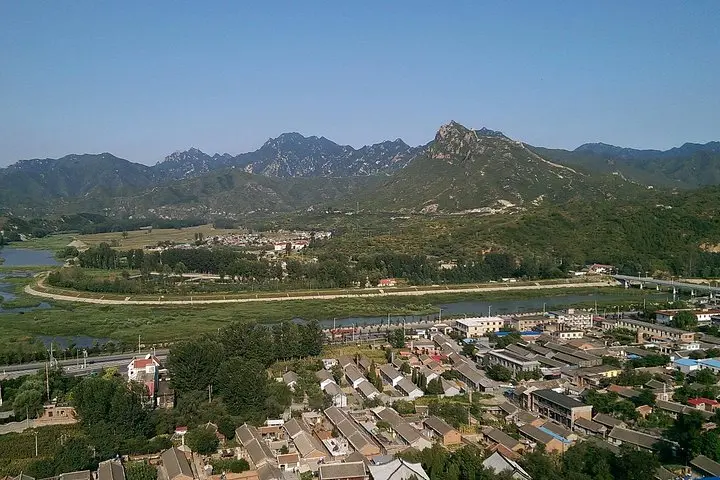
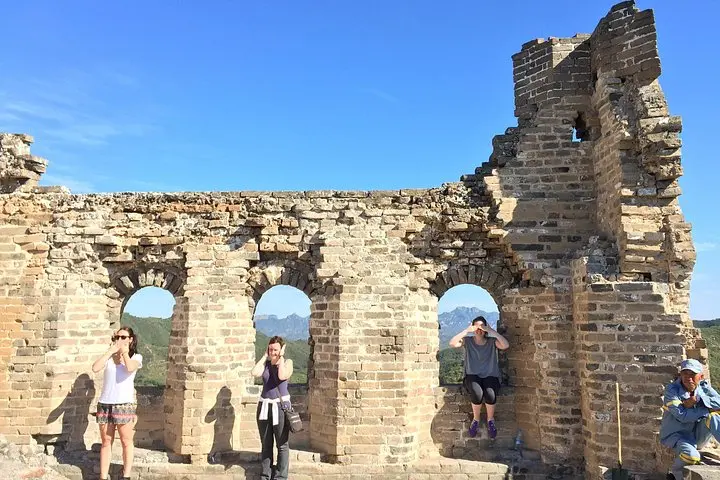
This itinerary threads together Ming-dynasty masonry and older foundations; the Wall here was rebuilt and fortified across centuries, particularly during the 14th–17th centuries, to control the northern approaches to Beijing. Geologically the landscape is granite and limestone ridges cut by narrow valleys, producing steep ascents and exposed switchbacks. Local villages — market lanes, courtyard homes, and honest mountain cuisine — anchor each night and offer cultural context, from dumpling-making to Taiji lessons.
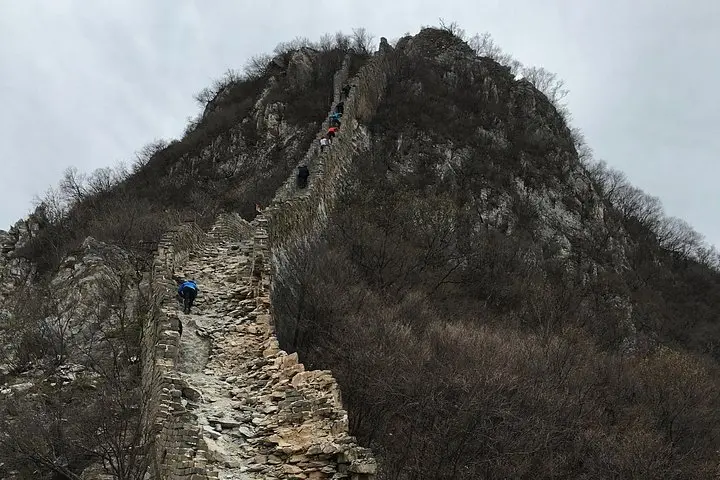
Expect a mix of terrain: paved steps, broken flagstone, loose scree and narrow crestlines. Typical day hikes cover roughly 4–12 km with elevation gains of 200–600 m depending on the section; some stretches include sustained stair climbs and short scrambles. Water and sun protection are essential; mornings are best for views and fewer crowds. Navigate conservatively on unrestored sections — the Wall’s irregular profile rewards patience and attention to foot placement.
Practical note: travel between sections is by minibus; village guesthouses provide simple comfort. Plan for changing weather, carry a map or use an offline GPX, and allow extra time for photography and short cultural stops.
Moderate to high fitness: expect several hours of hiking per day with stair climbs and uneven terrain — basic endurance training beforehand helps.
No — the trip mixes restored areas (Mutianyu) with unrestored, rugged stretches (Jiankou, Gubeikou) that require careful footing.
This itinerary typically includes transport between sections, village accommodation, some meals, and an English-speaking leader — check the operator for exact inclusions.
Late spring and fall offer the best combination of temperatures and visibility; summer can be hot and winter may require traction gear.
You Fun Travel operates guided outdoor trips and adventures with an emphasis on safety, stewardship, and memorable experiences.
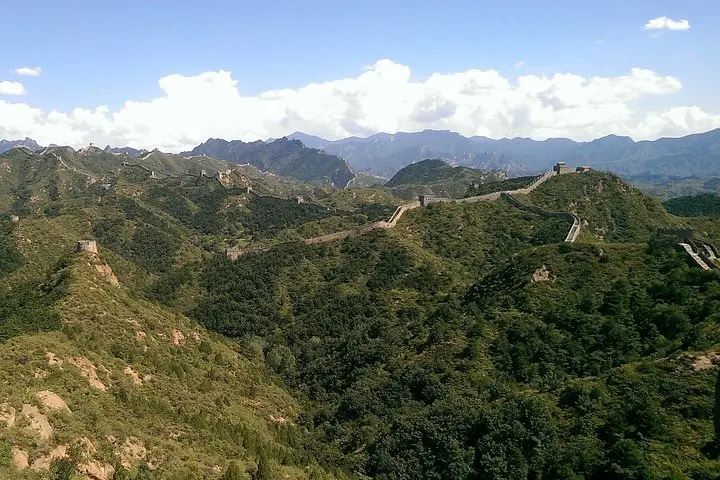
The day begins before the tourist buses arrive: cool air pushes up from the valleys, and the stone spine of the Great Wall snakes ahead, alternately exposed and half-buried in scrub. On restored staircases at Mutianyu the rhythm is regular — step, rest, look — while the unrestored reaches toward Jiankou and Gubeikou demand route-finding and steady footing as towers punctuate wild ridgelines.
The day begins before the tourist buses arrive: cool air pushes up from the valleys, and the stone spine of the Great Wall snakes ahead, alternately exposed and half-buried in scrub. On restored staircases at Mutianyu the rhythm is regular — step, rest, look — while the unrestored reaches toward Jiankou and Gubeikou demand route-finding and steady footing as towers punctuate wild ridgelines.
This itinerary threads together Ming-dynasty masonry and older foundations; the Wall here was rebuilt and fortified across centuries, particularly during the 14th–17th centuries, to control the northern approaches to Beijing. Geologically the landscape is granite and limestone ridges cut by narrow valleys, producing steep ascents and exposed switchbacks. Local villages — market lanes, courtyard homes, and honest mountain cuisine — anchor each night and offer cultural context, from dumpling-making to Taiji lessons.
Expect a mix of terrain: paved steps, broken flagstone, loose scree and narrow crestlines. Typical day hikes cover roughly 4–12 km with elevation gains of 200–600 m depending on the section; some stretches include sustained stair climbs and short scrambles. Water and sun protection are essential; mornings are best for views and fewer crowds. Navigate conservatively on unrestored sections — the Wall’s irregular profile rewards patience and attention to foot placement.
Practical note: travel between sections is by minibus; village guesthouses provide simple comfort. Plan for changing weather, carry a map or use an offline GPX, and allow extra time for photography and short cultural stops.