THE ADVENTURE COLLECTIVE® · Independent discovery and booking for outdoor travel

Catch an air-conditioned catamaran from Cairns and spend four to five hours exploring Green Island’s coral gardens, rainforest walk and glass-bottom boat options. This accessible day trip pairs snorkeling with easy logistics and clear conservation rules.
Catch an air-conditioned catamaran from Cairns and spend four to five hours exploring Green Island’s coral gardens, rainforest walk and glass-bottom boat options. This accessible day trip pairs snorkeling with easy logistics and clear conservation rules.
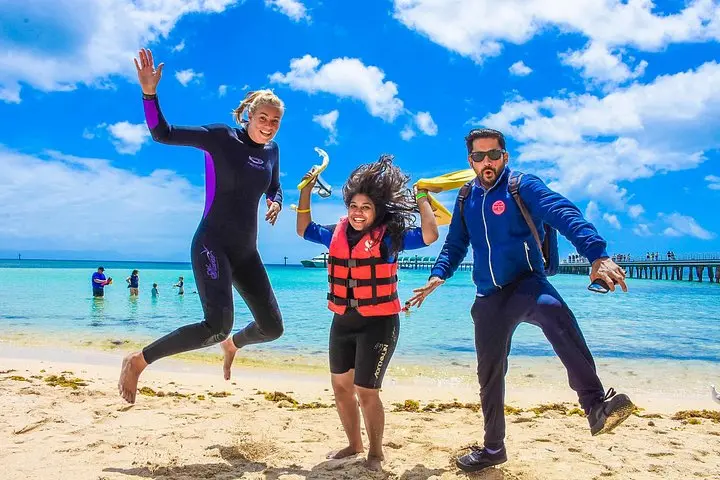
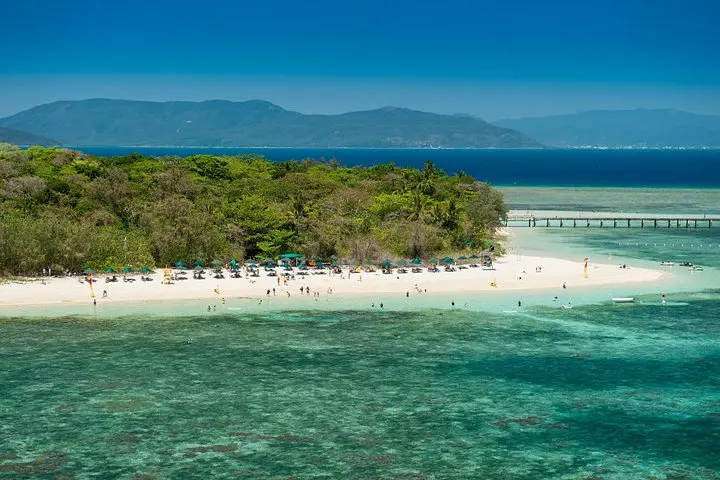
You step off the Reef Fleet catamaran with salt on your lips and the reef’s green crescent unfurling ahead — a low coral island ringed by shallow, bright water and a strip of sand. The boat eases in, passengers chatter, and the island’s fringe reef seems to pulse just offshore, daring you into the shallows.
Verified experiences and guided adventures in the surrounding area.
Operated by Big Cat Green Island Reef Cruises · Cairns, Queensland
You step off the Reef Fleet catamaran with salt on your lips and the reef’s green crescent unfurling ahead — a low coral island ringed by shallow, bright water and a strip of sand. The boat eases in, passengers chatter, and the island’s fringe reef seems to pulse just offshore, daring you into the shallows.
Green Island is a vegetated coral cay on the edge of the Great Barrier Reef Marine Park, where living reef meets a pocket of littoral rainforest. Geologically it’s a coral and sand formation sitting on the continental shelf; ecologically it links marine gardens, nesting sites and a remnant rainforest that has been used seasonally by local First Nations people for generations. European visitors began arriving by steamship in the late 19th century, and today the island is managed for both tourism and conservation.
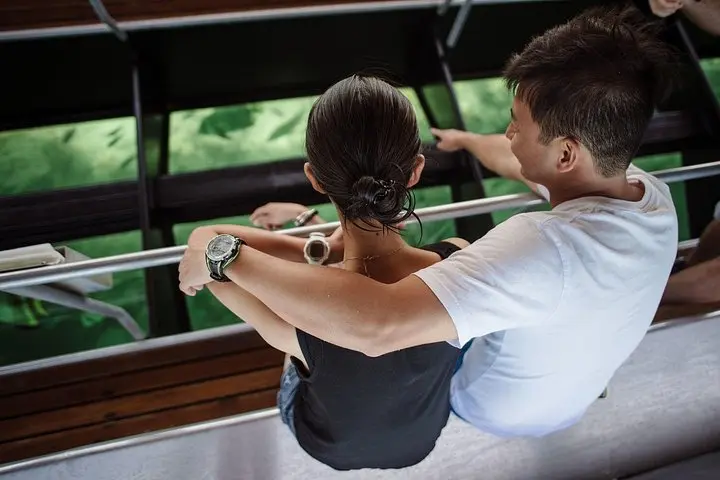
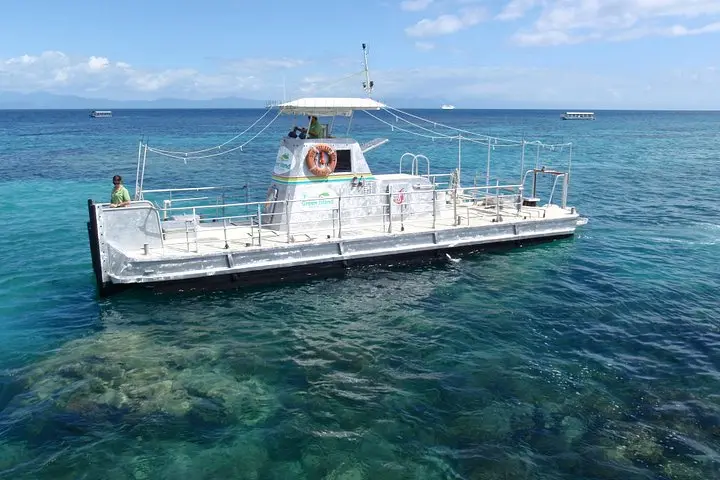
On a day trip you’ll choose between snorkelling the shallow coral gardens, riding a glass-bottom boat or climbing into a semi-submersible for underwater viewing. The rainforest walk offers shade and birdwatching between sessions in the water. Expect clear information about the Environmental Management Charge (reef tax) and simple rules: no touching coral, no anchoring on reefs.
Practical guidance: bring reef-safe sunscreen, a towel and a waterproof bag; wear water shoes for the fringing reef; check stinger season and whether stinger suits are provided; allow about four to five hours on the island within an eight-hour round trip. With basic swim comfort you’ll see turtles, rays and dense reef fish — an accessible reef day that balances easy logistics with genuine marine encounters.
Some booking options include return transfers from Northern Beaches accommodation; self-drive guests will meet at Reef Fleet Terminal — check your booking confirmation for details.
Standard options include snorkeling gear for the day, and many operators also offer glass-bottom or semi-submersible tours if you prefer not to swim.
The trip is family-friendly — strollers are OK and infant seats are available — but wheelchair access is limited and guests should have some mobility or a carer to assist.
Expect green turtles, reef fish, stingrays and small reef sharks; sightings vary with season and tides, so morning glass-bottom tours often have clearer visibility.
Big Cat Green Island Reef Cruises operates guided outdoor trips and adventures with an emphasis on safety, stewardship, and memorable experiences.
You step off the Reef Fleet catamaran with salt on your lips and the reef’s green crescent unfurling ahead — a low coral island ringed by shallow, bright water and a strip of sand. The boat eases in, passengers chatter, and the island’s fringe reef seems to pulse just offshore, daring you into the shallows.
You step off the Reef Fleet catamaran with salt on your lips and the reef’s green crescent unfurling ahead — a low coral island ringed by shallow, bright water and a strip of sand. The boat eases in, passengers chatter, and the island’s fringe reef seems to pulse just offshore, daring you into the shallows.
Green Island is a vegetated coral cay on the edge of the Great Barrier Reef Marine Park, where living reef meets a pocket of littoral rainforest. Geologically it’s a coral and sand formation sitting on the continental shelf; ecologically it links marine gardens, nesting sites and a remnant rainforest that has been used seasonally by local First Nations people for generations. European visitors began arriving by steamship in the late 19th century, and today the island is managed for both tourism and conservation.
On a day trip you’ll choose between snorkelling the shallow coral gardens, riding a glass-bottom boat or climbing into a semi-submersible for underwater viewing. The rainforest walk offers shade and birdwatching between sessions in the water. Expect clear information about the Environmental Management Charge (reef tax) and simple rules: no touching coral, no anchoring on reefs.
Practical guidance: bring reef-safe sunscreen, a towel and a waterproof bag; wear water shoes for the fringing reef; check stinger season and whether stinger suits are provided; allow about four to five hours on the island within an eight-hour round trip. With basic swim comfort you’ll see turtles, rays and dense reef fish — an accessible reef day that balances easy logistics with genuine marine encounters.