THE ADVENTURE COLLECTIVE® · Independent discovery and booking for outdoor travel

An eight-day green-season safari that follows the great migration through Tarangire, Lake Manyara, Ngorongoro and the southern Serengeti. Expect lush plains, concentrated herds in Ndutu and crater-floor game drives with glamping nights.
An eight-day green-season safari that follows the great migration through Tarangire, Lake Manyara, Ngorongoro and the southern Serengeti. Expect lush plains, concentrated herds in Ndutu and crater-floor game drives with glamping nights.
You step off the jeep into a wet season dawn: the air is cool, dirt glistening where last night’s rain had passed through. Grass blades lean with droplets and birds argue over newly exposed mud pools. This eight-day circuit from Arusha threads Tarangire’s baobab-scattered plains, Lake Manyara’s groundwater forest, the tectonic rim of Ngorongoro and the wide Ndutu and southern Serengeti where the great migration concentrates in the green season.
Verified experiences and guided adventures in the surrounding area.
Operated by Joash Africa Wilderness Insight Limited · Arusha, Arusha Region
You step off the jeep into a wet season dawn: the air is cool, dirt glistening where last night’s rain had passed through. Grass blades lean with droplets and birds argue over newly exposed mud pools. This eight-day circuit from Arusha threads Tarangire’s baobab-scattered plains, Lake Manyara’s groundwater forest, the tectonic rim of Ngorongoro and the wide Ndutu and southern Serengeti where the great migration concentrates in the green season.
These landscapes are written in volcanic ash and rift-line faulting: Ngorongoro’s crater is a collapsed volcano rim some 2,200–2,400 m above sea level, while the Serengeti plains sit lower (roughly 1,100–1,500 m) with soils enriched by ancient eruptions that feed the seasonal grasses that draw wildebeest and zebra.
Cultural notes: Maasai herding traditions remain visible on the routes in and out of conservation areas, and small market towns like Karatu and Ndutu offer local crafts and fresh coffee alongside lodge comforts.
Practical guidance: expect long but comfortable drives (Arusha–Tarangire ~2–2.5 hours; Ngorongoro rim to crater floor ~1 hour). Vehicles are high-clearance 4x4s with game-drive seating; accommodations are glamping-style tented camps with full board. The green season (November–March) brings shorter game-drive windows around midday when heat rises, so plan dawn and late-afternoon outings for best sightings. Pack layered rain gear, binoculars, insect repellent and a camera with extra batteries. Hydrate frequently and follow guide briefings—wildlife moves fast and so should your situational awareness.
The green season (roughly November–March) often concentrates herds in Ndutu and the southern Serengeti due to fresh pasture—this itinerary targets that window.
Tented camps used on this trip are glamping-style with solid flooring and covered dining; short rains are typical but camps are prepared with dry common areas.
Yes—vehicles are comfortable and the tour is rated easy, but discuss mobility needs in advance; some crater-floor stops involve short, uneven walks.
Consult your travel clinic for recommended shots and anti-malarial medication; carry bottled water and follow guide advice on food and hygiene.
Joash Africa Wilderness Insight Limited operates guided outdoor trips and adventures with an emphasis on safety, stewardship, and memorable experiences.
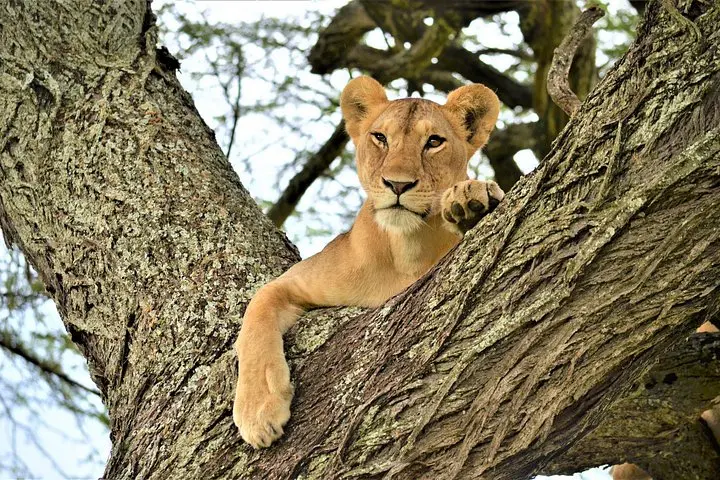
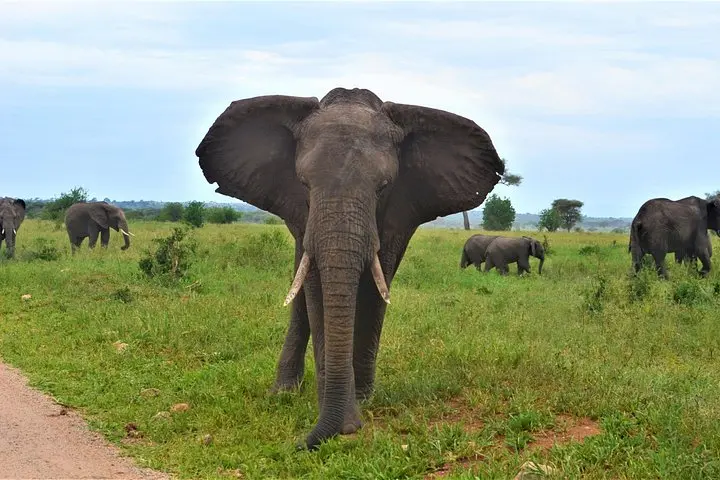
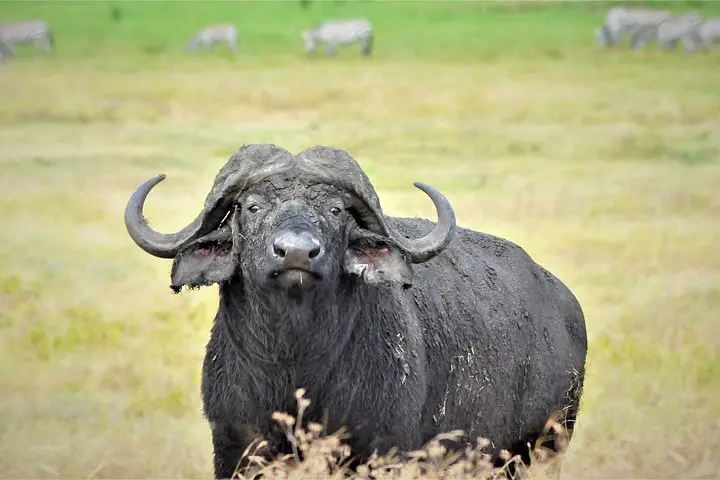
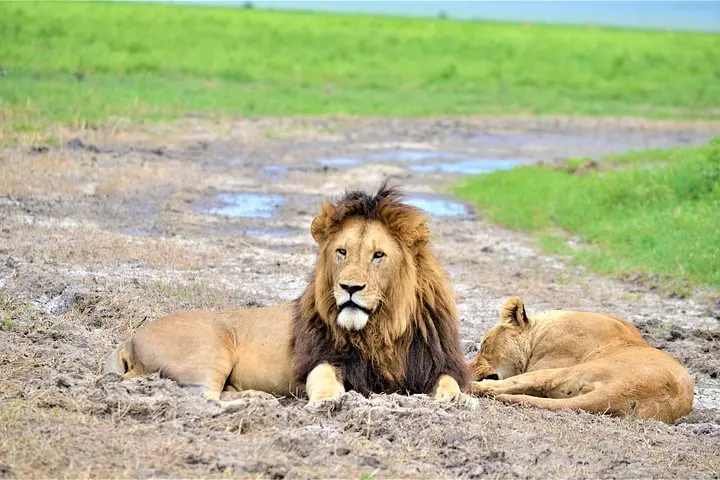
You step off the jeep into a wet season dawn: the air is cool, dirt glistening where last night’s rain had passed through. Grass blades lean with droplets and birds argue over newly exposed mud pools. This eight-day circuit from Arusha threads Tarangire’s baobab-scattered plains, Lake Manyara’s groundwater forest, the tectonic rim of Ngorongoro and the wide Ndutu and southern Serengeti where the great migration concentrates in the green season.
You step off the jeep into a wet season dawn: the air is cool, dirt glistening where last night’s rain had passed through. Grass blades lean with droplets and birds argue over newly exposed mud pools. This eight-day circuit from Arusha threads Tarangire’s baobab-scattered plains, Lake Manyara’s groundwater forest, the tectonic rim of Ngorongoro and the wide Ndutu and southern Serengeti where the great migration concentrates in the green season.
These landscapes are written in volcanic ash and rift-line faulting: Ngorongoro’s crater is a collapsed volcano rim some 2,200–2,400 m above sea level, while the Serengeti plains sit lower (roughly 1,100–1,500 m) with soils enriched by ancient eruptions that feed the seasonal grasses that draw wildebeest and zebra.
Cultural notes: Maasai herding traditions remain visible on the routes in and out of conservation areas, and small market towns like Karatu and Ndutu offer local crafts and fresh coffee alongside lodge comforts.
Practical guidance: expect long but comfortable drives (Arusha–Tarangire ~2–2.5 hours; Ngorongoro rim to crater floor ~1 hour). Vehicles are high-clearance 4x4s with game-drive seating; accommodations are glamping-style tented camps with full board. The green season (November–March) brings shorter game-drive windows around midday when heat rises, so plan dawn and late-afternoon outings for best sightings. Pack layered rain gear, binoculars, insect repellent and a camera with extra batteries. Hydrate frequently and follow guide briefings—wildlife moves fast and so should your situational awareness.