THE ADVENTURE COLLECTIVE® · Independent discovery and booking for outdoor travel

Walk the streets where education, faith, and business built community in Greensboro. This one-hour guided tour highlights HBCUs, Green Book sites, and local landmarks with practical tips for getting there and what to expect.
Walk the streets where education, faith, and business built community in Greensboro. This one-hour guided tour highlights HBCUs, Green Book sites, and local landmarks with practical tips for getting there and what to expect.
You step off Elm Street into a corridor of brick buildings, university gates, and church steeples — the kind of cityscape where history presses close and conversation fills the gaps between street signs. The Greensboro African American History Walking Tour threads through neighborhoods shaped by education, faith, and commerce, guided by stories of resilience and everyday ingenuity.
Verified experiences and guided adventures in the surrounding area.
Operated by Triangle Walking Tours: Greensboro · Greensboro, North Carolina
You step off Elm Street into a corridor of brick buildings, university gates, and church steeples — the kind of cityscape where history presses close and conversation fills the gaps between street signs. The Greensboro African American History Walking Tour threads through neighborhoods shaped by education, faith, and commerce, guided by stories of resilience and everyday ingenuity.
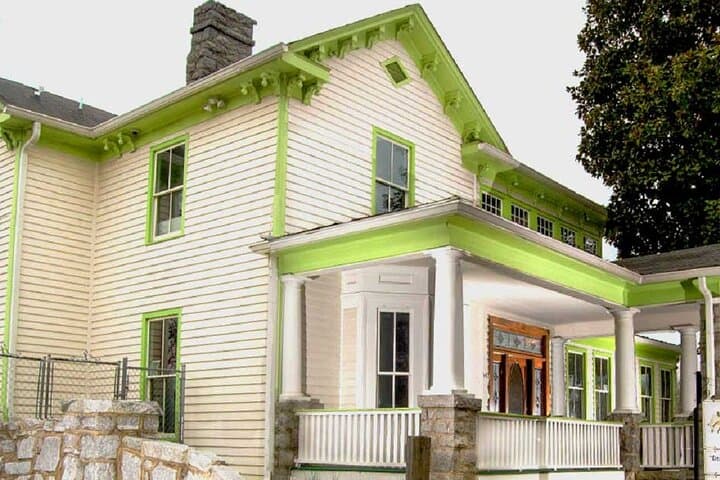
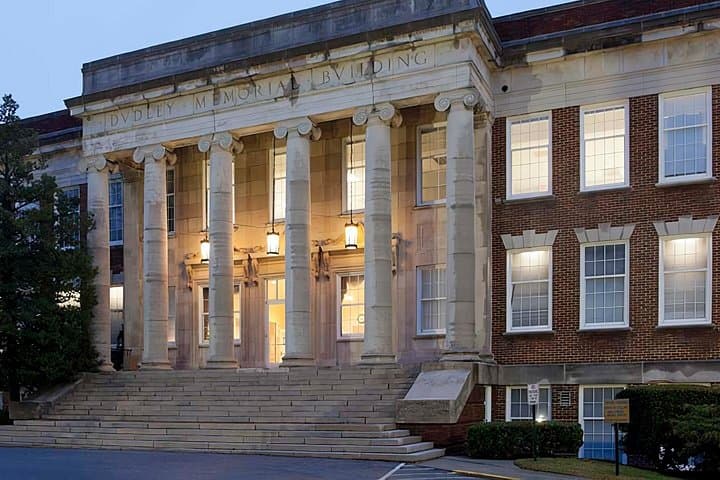
The route touches NC A&T State University and Bennett College, institutions central to Black intellectual life in the region, and pauses at the exterior of the Historic Magnolia House, once listed in the Green Book. Geologically simple urban terrain gives way to human layers: red clay foundations, adaptive reuse of textile-era buildings, and tree-lined boulevards that shaded early community gatherings. Culturally, the tour traces networks — churches, barber shops, and boarding houses — that fostered leadership and economic life under segregation.
Expect a mix of street walking and short stops at plaques, facades, and campus gateways; the pace is conversational rather than strenuous. Guides contextualize local civil-rights actions alongside everyday achievements: businesses that supported families, schools that launched careers, and churches that doubled as meeting halls.
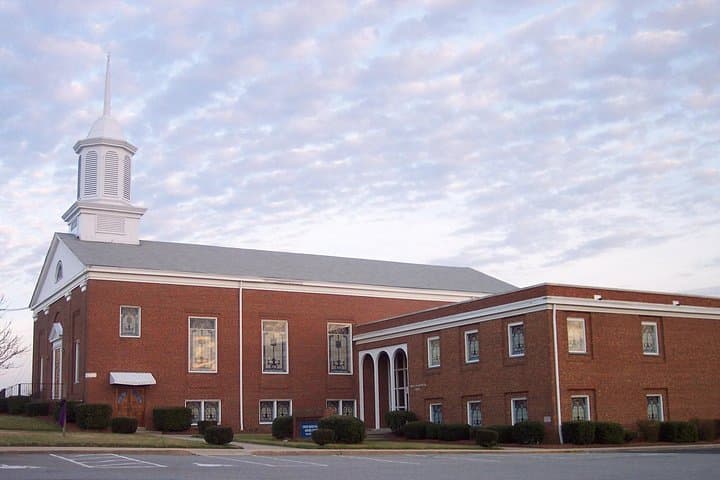
Practical guidance: arrive 10 minutes early to locate the United Institutional Baptist Church meeting point and bring comfortable shoes; sidewalks are mostly level but can be uneven in places. Carry water and a compact umbrella in unpredictable spring or fall weather. Public transit and nearby parking make access straightforward, and the tour is wheelchair-accessible — still confirm any mobility needs when booking. Take time after the walk to visit a nearby Black-owned café or bookstore to extend the story into present-day community life.
The tour assembles at the United Institutional Baptist Church in Greensboro; check your booking confirmation for the exact street address and arrive 10 minutes early.
Yes — the tour lists wheelchair accessibility and mostly uses paved sidewalks; contact the operator ahead of time to discuss specific needs.
Infants and small children are welcome; infants must sit on an adult’s lap and strollers are accommodated on sidewalks.
This standard guided tour is conducted in English; inquire with the operator if you require translation or accommodations.
Triangle Walking Tours: Greensboro operates guided outdoor trips and adventures with an emphasis on safety, stewardship, and memorable experiences.

You step off Elm Street into a corridor of brick buildings, university gates, and church steeples — the kind of cityscape where history presses close and conversation fills the gaps between street signs. The Greensboro African American History Walking Tour threads through neighborhoods shaped by education, faith, and commerce, guided by stories of resilience and everyday ingenuity.
You step off Elm Street into a corridor of brick buildings, university gates, and church steeples — the kind of cityscape where history presses close and conversation fills the gaps between street signs. The Greensboro African American History Walking Tour threads through neighborhoods shaped by education, faith, and commerce, guided by stories of resilience and everyday ingenuity.
The route touches NC A&T State University and Bennett College, institutions central to Black intellectual life in the region, and pauses at the exterior of the Historic Magnolia House, once listed in the Green Book. Geologically simple urban terrain gives way to human layers: red clay foundations, adaptive reuse of textile-era buildings, and tree-lined boulevards that shaded early community gatherings. Culturally, the tour traces networks — churches, barber shops, and boarding houses — that fostered leadership and economic life under segregation.
Expect a mix of street walking and short stops at plaques, facades, and campus gateways; the pace is conversational rather than strenuous. Guides contextualize local civil-rights actions alongside everyday achievements: businesses that supported families, schools that launched careers, and churches that doubled as meeting halls.
Practical guidance: arrive 10 minutes early to locate the United Institutional Baptist Church meeting point and bring comfortable shoes; sidewalks are mostly level but can be uneven in places. Carry water and a compact umbrella in unpredictable spring or fall weather. Public transit and nearby parking make access straightforward, and the tour is wheelchair-accessible — still confirm any mobility needs when booking. Take time after the walk to visit a nearby Black-owned café or bookstore to extend the story into present-day community life.