THE ADVENTURE COLLECTIVE® · Independent discovery and booking for outdoor travel

Walk the streets where Greensboro’s most notorious crimes unfolded. This one-hour guided tour pairs city history with true crime accounts, offering context and local insight for mature audiences.
Walk the streets where Greensboro’s most notorious crimes unfolded. This one-hour guided tour pairs city history with true crime accounts, offering context and local insight for mature audiences.
The group gathers outside The Bodega, the city’s evening light folding across brick and glass. Streetlamps spill pools of yellow as the guide leads a slow circuit through downtown Greensboro; the sidewalks remember footsteps and the alleys remember secrets.
Verified experiences and guided adventures in the surrounding area.
Operated by Triangle Walking Tours: Greensboro · Greensboro, North Carolina
The group gathers outside The Bodega, the city’s evening light folding across brick and glass. Streetlamps spill pools of yellow as the guide leads a slow circuit through downtown Greensboro; the sidewalks remember footsteps and the alleys remember secrets.
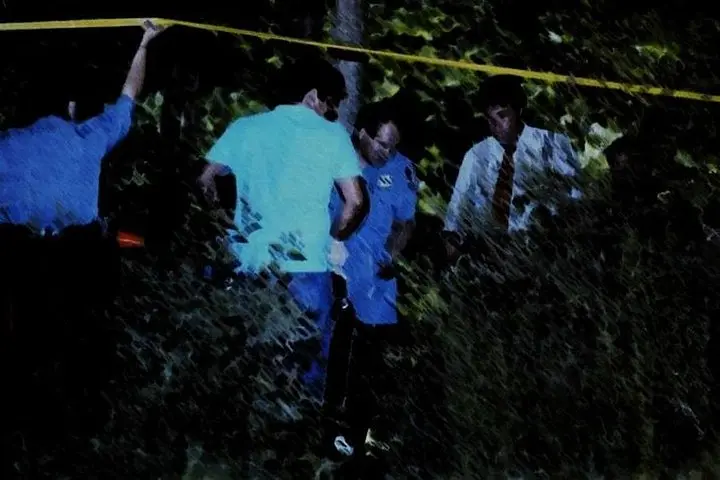
This one-hour walking tour traces real cases that shaped local headlines: institutional escapes, violent crimes that rattled neighborhoods, and episodes of corruption that altered public trust. The route threads through commercial blocks and residential streets rather than wilderness; geology yields to urban layers—rail corridors, reclaimed storefronts, and the grid of a city that grew with textile mills and textile-born fortunes.
Greensboro’s past is industrial and civic: labor strikes, segregated institutions, and shifting policing practices all form the backdrop to the cases discussed. Cultural context matters—stories are tied to neighborhoods, local press coverage, and court outcomes, and the guide typically cites dates and original sources.
Practical guidance: wear supportive shoes for pavement, arrive 10 minutes early for check-in, and expect steady walking with brief stops. The tour is explicit by design; it’s intended for mature audiences and may not be suitable for children under 17. Photography is usually fine, but be respectful at sensitive sites and private property. Most groups are under 25 people, and tours operate rain or shine, so dress for the forecast.
This is a focused urban experience: less a ghost walk and more a civic history lesson, built around true crime incidents that still echo in city memory. For visitors wanting to understand Greensboro’s darker chapters, it’s a concise, guided primer with on-the-ground context and clear logistics.
The tour runs approximately 60 minutes and covers multiple downtown stops with short walks between them.
Because the content is explicit, parental discretion is advised for anyone under 17; some material may be disturbing.
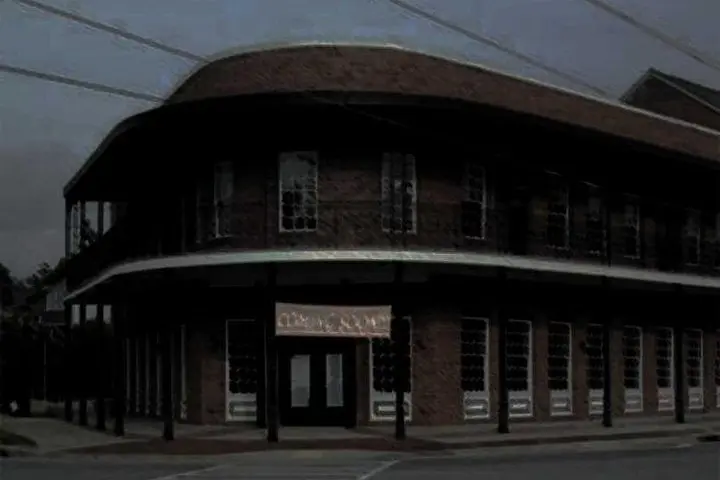
Meet in front of The Bodega in downtown Greensboro; arrive at least 10 minutes early for check-in.
The route is on paved sidewalks and is listed as wheelchair accessible, but terrain can include curbs; contact the operator if you need specific accommodations.
Triangle Walking Tours: Greensboro operates guided outdoor trips and adventures with an emphasis on safety, stewardship, and memorable experiences.
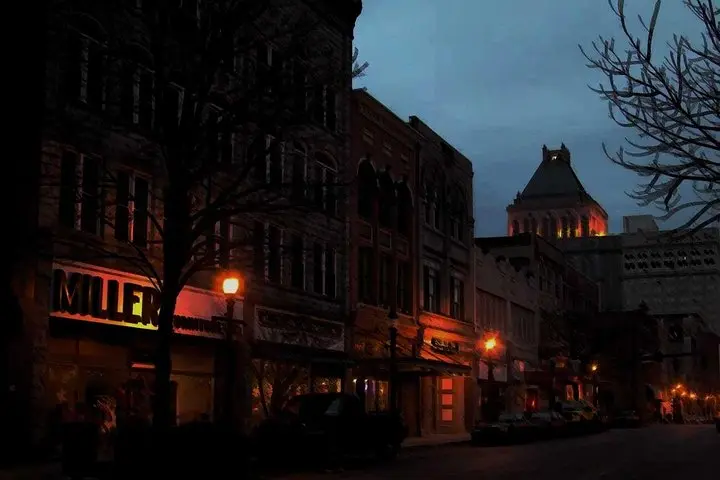
The group gathers outside The Bodega, the city’s evening light folding across brick and glass. Streetlamps spill pools of yellow as the guide leads a slow circuit through downtown Greensboro; the sidewalks remember footsteps and the alleys remember secrets.
The group gathers outside The Bodega, the city’s evening light folding across brick and glass. Streetlamps spill pools of yellow as the guide leads a slow circuit through downtown Greensboro; the sidewalks remember footsteps and the alleys remember secrets.
This one-hour walking tour traces real cases that shaped local headlines: institutional escapes, violent crimes that rattled neighborhoods, and episodes of corruption that altered public trust. The route threads through commercial blocks and residential streets rather than wilderness; geology yields to urban layers—rail corridors, reclaimed storefronts, and the grid of a city that grew with textile mills and textile-born fortunes.
Greensboro’s past is industrial and civic: labor strikes, segregated institutions, and shifting policing practices all form the backdrop to the cases discussed. Cultural context matters—stories are tied to neighborhoods, local press coverage, and court outcomes, and the guide typically cites dates and original sources.
Practical guidance: wear supportive shoes for pavement, arrive 10 minutes early for check-in, and expect steady walking with brief stops. The tour is explicit by design; it’s intended for mature audiences and may not be suitable for children under 17. Photography is usually fine, but be respectful at sensitive sites and private property. Most groups are under 25 people, and tours operate rain or shine, so dress for the forecast.
This is a focused urban experience: less a ghost walk and more a civic history lesson, built around true crime incidents that still echo in city memory. For visitors wanting to understand Greensboro’s darker chapters, it’s a concise, guided primer with on-the-ground context and clear logistics.