THE ADVENTURE COLLECTIVE® · Independent discovery and booking for outdoor travel

Walk through Greenwich Village on a two-hour pizza tour that samples cheap classics, brick-oven pies, and a Detroit-style square. Expect five short stops, local history, and practical tips to get the most from every slice.
Walk through Greenwich Village on a two-hour pizza tour that samples cheap classics, brick-oven pies, and a Detroit-style square. Expect five short stops, local history, and practical tips to get the most from every slice.
The city smells of baked dough and caramelized cheese as you step out of the IFC Center and into Greenwich Village—streets alive with chatter, neon signage, and the steady motion of slices passed over counters. A two-hour walk folds the neighborhood into bite-sized discoveries: a 99-cent corner slice that eats like history, a celebrity-photos plastered joint, and a surprisingly precise Detroit-style square that rewrites expectations.
Verified experiences and guided adventures in the surrounding area.
Operated by The Danish Tour Guide USA · New York, New York
The city smells of baked dough and caramelized cheese as you step out of the IFC Center and into Greenwich Village—streets alive with chatter, neon signage, and the steady motion of slices passed over counters. A two-hour walk folds the neighborhood into bite-sized discoveries: a 99-cent corner slice that eats like history, a celebrity-photos plastered joint, and a surprisingly precise Detroit-style square that rewrites expectations.
Greenwich Village sits on Manhattan Schist and the old bedrock of the island; its narrow streets grew from 19th-century grids and immigrant tenements. Italian immigrants brought pizza to New York in the early 20th century, turning walk-up counters into neighborhood institutions. The tour threads cultural notes—how coal and later brick ovens shaped crusts, how water and hygiene standards entered debates about the perfect dough—and points to local markers like Washington Square Park and low-rise cast-iron facades that anchor the Village’s identity.
Expect five short stops, lively commentary, and a steady walking pace on mostly flat, paved sidewalks—no strenuous climbs, but standing and walking for the full duration. Bring a sense of culinary curiosity, plan for lines at popular joints, and leave room to compare sauce, cheese, and crust style.
Practical guidance: schedule tours in the late morning to avoid dinner crowds, hydrate between slices, carry hand sanitizer and napkins, and tell your guide about dietary restrictions before tasting. This is a neighborhood food walk—respect seating inside shops, tip servers, and use public transit to arrive and depart sustainably.
The tour runs approximately two hours and covers five tasting stops within Greenwich Village.
Yes—tastings at the listed pizzerias are included as part of the tour.
The meeting point and most stops are wheelchair accessible; notify the operator during booking for accommodations.
Tell the operator at booking—many stops can offer alternatives, but choices may be limited at some counters.
The Danish Tour Guide USA operates guided outdoor trips and adventures with an emphasis on safety, stewardship, and memorable experiences.
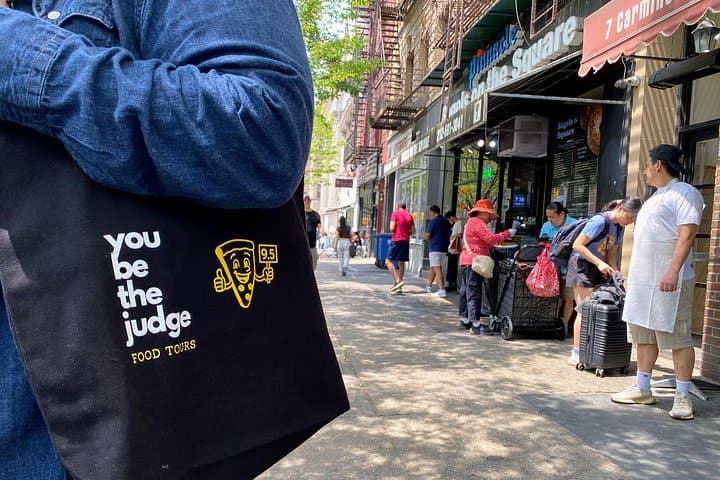
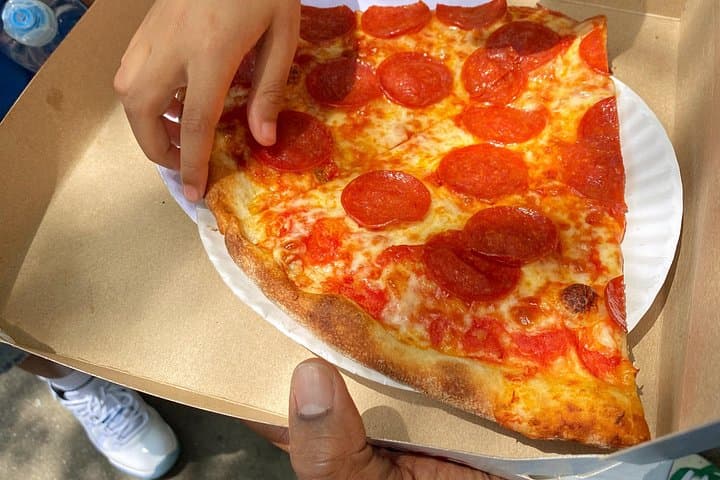
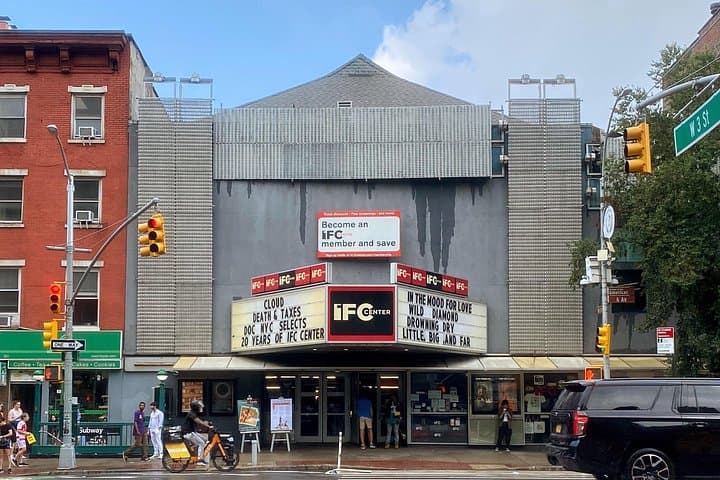
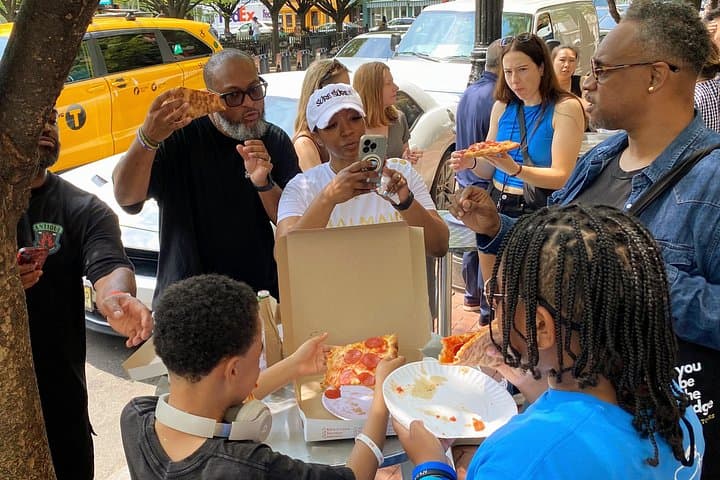
The city smells of baked dough and caramelized cheese as you step out of the IFC Center and into Greenwich Village—streets alive with chatter, neon signage, and the steady motion of slices passed over counters. A two-hour walk folds the neighborhood into bite-sized discoveries: a 99-cent corner slice that eats like history, a celebrity-photos plastered joint, and a surprisingly precise Detroit-style square that rewrites expectations.
The city smells of baked dough and caramelized cheese as you step out of the IFC Center and into Greenwich Village—streets alive with chatter, neon signage, and the steady motion of slices passed over counters. A two-hour walk folds the neighborhood into bite-sized discoveries: a 99-cent corner slice that eats like history, a celebrity-photos plastered joint, and a surprisingly precise Detroit-style square that rewrites expectations.
Greenwich Village sits on Manhattan Schist and the old bedrock of the island; its narrow streets grew from 19th-century grids and immigrant tenements. Italian immigrants brought pizza to New York in the early 20th century, turning walk-up counters into neighborhood institutions. The tour threads cultural notes—how coal and later brick ovens shaped crusts, how water and hygiene standards entered debates about the perfect dough—and points to local markers like Washington Square Park and low-rise cast-iron facades that anchor the Village’s identity.
Expect five short stops, lively commentary, and a steady walking pace on mostly flat, paved sidewalks—no strenuous climbs, but standing and walking for the full duration. Bring a sense of culinary curiosity, plan for lines at popular joints, and leave room to compare sauce, cheese, and crust style.
Practical guidance: schedule tours in the late morning to avoid dinner crowds, hydrate between slices, carry hand sanitizer and napkins, and tell your guide about dietary restrictions before tasting. This is a neighborhood food walk—respect seating inside shops, tip servers, and use public transit to arrive and depart sustainably.