THE ADVENTURE COLLECTIVE® · Independent discovery and booking for outdoor travel

Board a two‑hour speedboat from Beli to watch the only nesting Griffon vulture colony in Croatia. Expect limestone cliffs, quiet observation rules, and close-up photo opportunities when birds are active.
Board a two‑hour speedboat from Beli to watch the only nesting Griffon vulture colony in Croatia. Expect limestone cliffs, quiet observation rules, and close-up photo opportunities when birds are active.
You step onto a low-profile speedboat at Beli’s small harbor and the island exhales around you: wind off the Adriatic, limestone cliffs rising like pale fortresses, and the smell of salt and scrub. The boat slips along Beli’s coastal escarpments toward narrow ledges where Griffon Vultures wheel and settle, each wingbeat a slow, deliberate punctuation against the sky.
Verified experiences and guided adventures in the surrounding area.
Operated by Tramontana Outdoor · Beli, Primorje-Gorski Kotar
You step onto a low-profile speedboat at Beli’s small harbor and the island exhales around you: wind off the Adriatic, limestone cliffs rising like pale fortresses, and the smell of salt and scrub. The boat slips along Beli’s coastal escarpments toward narrow ledges where Griffon Vultures wheel and settle, each wingbeat a slow, deliberate punctuation against the sky.
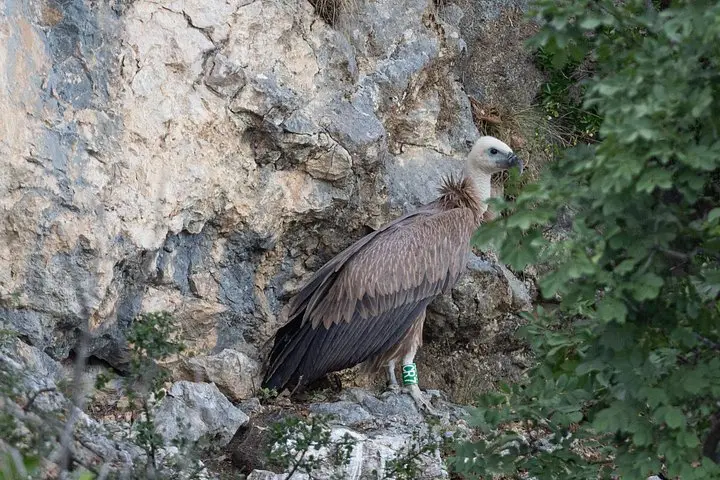
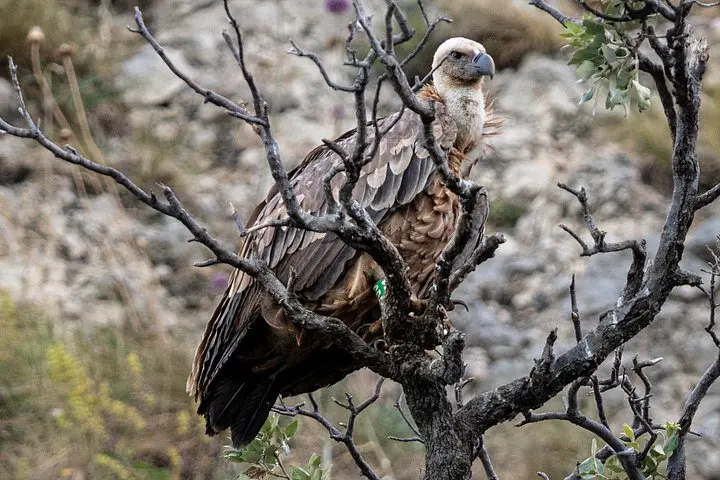
Cres’s cliffs are classic karst — fractured limestone carved by millennia of sea and wind — and they provide the vertical nesting real estate these endangered birds need. The Griffon vulture colony here is the only nesting population in Croatia and a focus of local conservation efforts that began in the late 20th century.
Culturally, Beli is quiet and maritime: fishermen, stone houses, and a handful of family-run guesthouses. The boat route passes nesting cliffs, small caves, and offshore shoals where dolphins sometimes appear; guides interpret behavior and nesting sites while stressing non-disturbance.
Practical guide: tours run about 2 hours aboard a speedboat with skipper and lifejackets provided. Best sightings occur from spring through early autumn when thermals are active and chicks are visible in nests. Keep voices low, avoid flash photography, and follow your guide’s positioning instructions so the birds aren’t alarmed. Bring binoculars or a telephoto lens, a windproof layer, sun protection, and seasickness remedies if you’re prone to motion.
This is an accessible wildlife outing — minimal fitness required — but its value is in quiet attention: patience, a steady camera hand, and respect for a fragile population reclaiming a piece of the Adriatic cliffs.
The tour is about 2 hours round‑trip; captains approach to a respectful distance — often a few hundred meters — close enough for viewing and photography without disturbing nests.
Vultures are present year‑round, but spring through early autumn offers the most active displays and the chance to see chicks in nests.
Yes — the operator allows infants (must sit on laps) and the outing is low physical demand, but keep children quiet and seated when near nesting areas.
Tours are canceled in bad weather or rough seas for safety and wildlife protection; operators typically issue full refunds if canceled at least 24 hours beforehand.
Tramontana Outdoor operates guided outdoor trips and adventures with an emphasis on safety, stewardship, and memorable experiences.
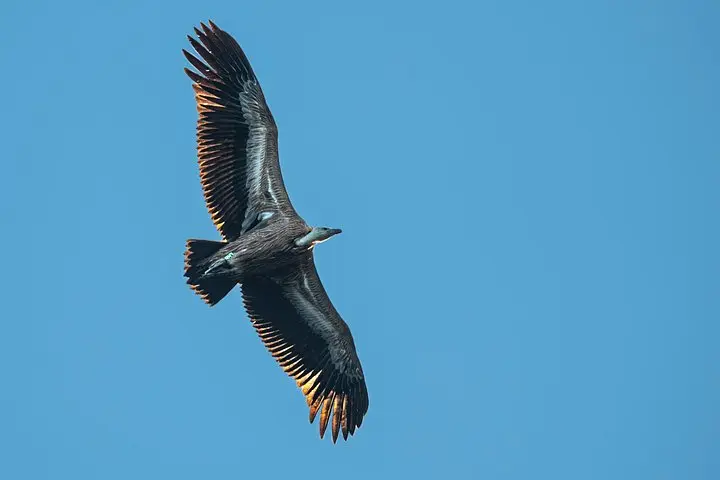
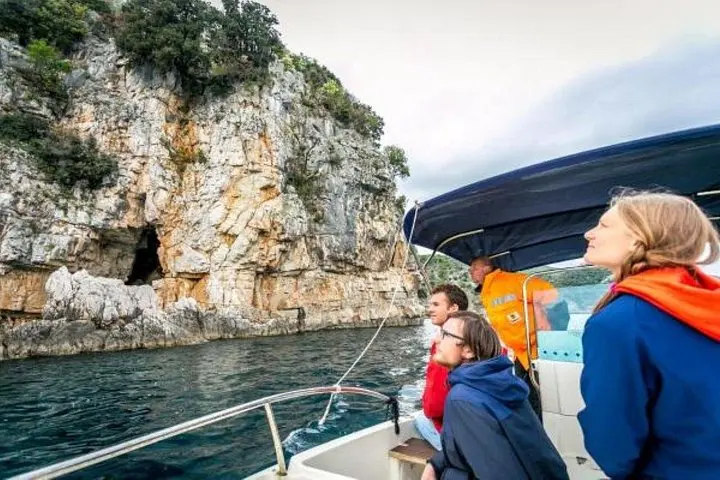
You step onto a low-profile speedboat at Beli’s small harbor and the island exhales around you: wind off the Adriatic, limestone cliffs rising like pale fortresses, and the smell of salt and scrub. The boat slips along Beli’s coastal escarpments toward narrow ledges where Griffon Vultures wheel and settle, each wingbeat a slow, deliberate punctuation against the sky.
You step onto a low-profile speedboat at Beli’s small harbor and the island exhales around you: wind off the Adriatic, limestone cliffs rising like pale fortresses, and the smell of salt and scrub. The boat slips along Beli’s coastal escarpments toward narrow ledges where Griffon Vultures wheel and settle, each wingbeat a slow, deliberate punctuation against the sky.
Cres’s cliffs are classic karst — fractured limestone carved by millennia of sea and wind — and they provide the vertical nesting real estate these endangered birds need. The Griffon vulture colony here is the only nesting population in Croatia and a focus of local conservation efforts that began in the late 20th century.
Culturally, Beli is quiet and maritime: fishermen, stone houses, and a handful of family-run guesthouses. The boat route passes nesting cliffs, small caves, and offshore shoals where dolphins sometimes appear; guides interpret behavior and nesting sites while stressing non-disturbance.
Practical guide: tours run about 2 hours aboard a speedboat with skipper and lifejackets provided. Best sightings occur from spring through early autumn when thermals are active and chicks are visible in nests. Keep voices low, avoid flash photography, and follow your guide’s positioning instructions so the birds aren’t alarmed. Bring binoculars or a telephoto lens, a windproof layer, sun protection, and seasickness remedies if you’re prone to motion.
This is an accessible wildlife outing — minimal fitness required — but its value is in quiet attention: patience, a steady camera hand, and respect for a fragile population reclaiming a piece of the Adriatic cliffs.