THE ADVENTURE COLLECTIVE® · Independent discovery and booking for outdoor travel
Climb Gros Piton for raw summit views of St. Lucia’s coastline and rainforest. This guided, half-day hike combines steep volcanic terrain, local natural history, and practical pacing for intermediate hikers.
Climb Gros Piton for raw summit views of St. Lucia’s coastline and rainforest. This guided, half-day hike combines steep volcanic terrain, local natural history, and practical pacing for intermediate hikers.
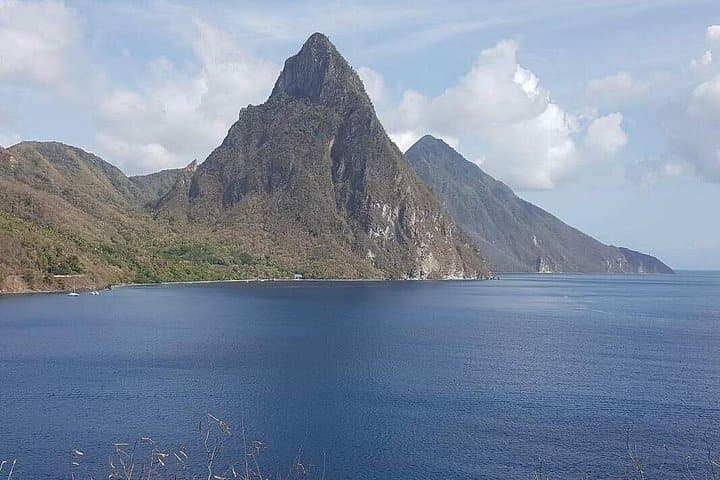
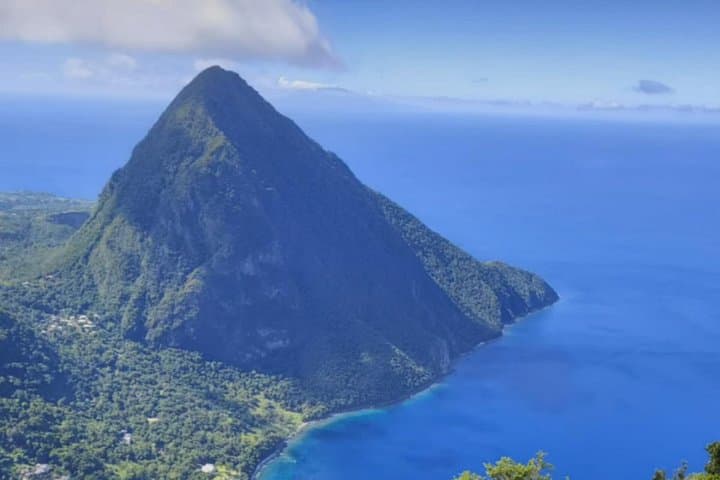
The trail starts with the island at your back and the mountain already pulling the sky down toward it — thick green folds of rainforest climbing a sheer volcanic spine. On a guided Gros Piton ascent you move from coastal heat into a canopy that smells of wet earth and citrus, then push through steeper rock bands as the sea spreads to the horizon below.
Verified experiences and guided adventures in the surrounding area.
Operated by FRAM Tours & Taxi Services · Soufriere, Soufriere Quarter
The trail starts with the island at your back and the mountain already pulling the sky down toward it — thick green folds of rainforest climbing a sheer volcanic spine. On a guided Gros Piton ascent you move from coastal heat into a canopy that smells of wet earth and citrus, then push through steeper rock bands as the sea spreads to the horizon below.
Gros Piton and its twin, Petit Piton, are remnants of volcanic activity that shaped St. Lucia; today they are a UNESCO World Heritage Site and a landmark of local identity. The stone underfoot alternates between packed volcanic soil, exposed roots and weathered bedrock; along the route guides point out endemic plants and the rare St. Lucia parrot. Soufrière town, once the center of colonial sugar estates, now provides the cultural backdrop—fishing villages, Creole cuisine and hot springs lie within sight.
Practical guidance: expect roughly 3–4 km round-trip with about 750–800 m (2,450–2,625 ft) of elevation gain, and a total guided window of roughly 4–6 hours. Trails can be steep and slippery after rain; good footwear, steady pacing and frequent water breaks matter. Guides regulate pacing and often bring local snacks and bottled water; cruise passengers should note summit access may be restricted to meet ship schedules.
Timing your hike for early morning reduces heat and improves visibility. Leave no trace: stay on trail, pack out wrappers, and let the mountain bank its solitude for the next climbers.
Guided trips typically last 4–6 hours total; the climb gains roughly 750–800 m over a short distance and is considered challenging for those without prior uphill hiking experience.
Yes—guided climbs are the standard and include entrance fees; guides manage route safety and provide local knowledge.
Possibly, but timing constraints may prevent summit access; guides will adapt the route to ensure a safe return before ship departure.
Expect to spot tropical birds including the St. Lucia parrot in higher forest zones and various hummingbirds nearer the lowland gardens.
FRAM Tours & Taxi Services operates guided outdoor trips and adventures with an emphasis on safety, stewardship, and memorable experiences.

The trail starts with the island at your back and the mountain already pulling the sky down toward it — thick green folds of rainforest climbing a sheer volcanic spine. On a guided Gros Piton ascent you move from coastal heat into a canopy that smells of wet earth and citrus, then push through steeper rock bands as the sea spreads to the horizon below.
The trail starts with the island at your back and the mountain already pulling the sky down toward it — thick green folds of rainforest climbing a sheer volcanic spine. On a guided Gros Piton ascent you move from coastal heat into a canopy that smells of wet earth and citrus, then push through steeper rock bands as the sea spreads to the horizon below.
Gros Piton and its twin, Petit Piton, are remnants of volcanic activity that shaped St. Lucia; today they are a UNESCO World Heritage Site and a landmark of local identity. The stone underfoot alternates between packed volcanic soil, exposed roots and weathered bedrock; along the route guides point out endemic plants and the rare St. Lucia parrot. Soufrière town, once the center of colonial sugar estates, now provides the cultural backdrop—fishing villages, Creole cuisine and hot springs lie within sight.
Practical guidance: expect roughly 3–4 km round-trip with about 750–800 m (2,450–2,625 ft) of elevation gain, and a total guided window of roughly 4–6 hours. Trails can be steep and slippery after rain; good footwear, steady pacing and frequent water breaks matter. Guides regulate pacing and often bring local snacks and bottled water; cruise passengers should note summit access may be restricted to meet ship schedules.
Timing your hike for early morning reduces heat and improves visibility. Leave no trace: stay on trail, pack out wrappers, and let the mountain bank its solitude for the next climbers.
