THE ADVENTURE COLLECTIVE® · Independent discovery and booking for outdoor travel

Drive northeast from Mexico City to a volcanic canyon where terraces of warm, turquoise pools run down a cliff. Whether you go for a long day or an overnight, Tolantongo pairs geological drama with easy soaking—here’s what to expect and how to prepare.
Drive northeast from Mexico City to a volcanic canyon where terraces of warm, turquoise pools run down a cliff. Whether you go for a long day or an overnight, Tolantongo pairs geological drama with easy soaking—here’s what to expect and how to prepare.
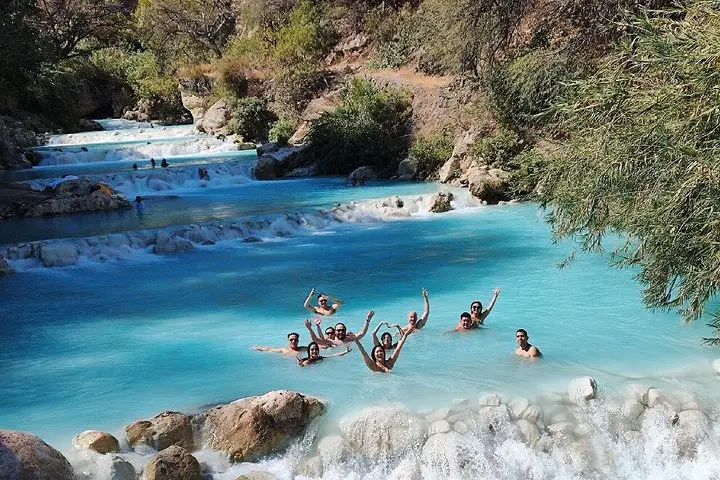
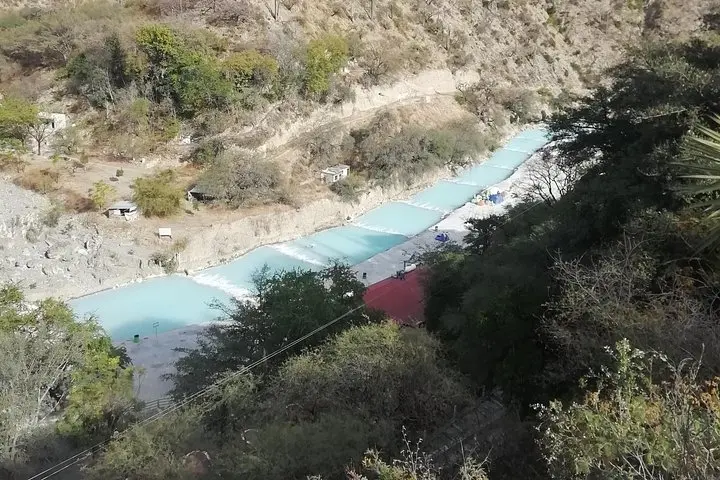
You arrive before dawn, the road unspooling through serrated ridges until the canyon opens and thermal steam lifts off a ribbon of turquoise pools clinging to the cliff. The canyon walls loom—nearly 500 meters high in places—channeling a warm current that threads from mineral springs into terraced basins and a narrow, vivid river.
Verified experiences and guided adventures in the surrounding area.
Operated by Vibe Adventures · Tolantongo, Hidalgo
You arrive before dawn, the road unspooling through serrated ridges until the canyon opens and thermal steam lifts off a ribbon of turquoise pools clinging to the cliff. The canyon walls loom—nearly 500 meters high in places—channeling a warm current that threads from mineral springs into terraced basins and a narrow, vivid river.
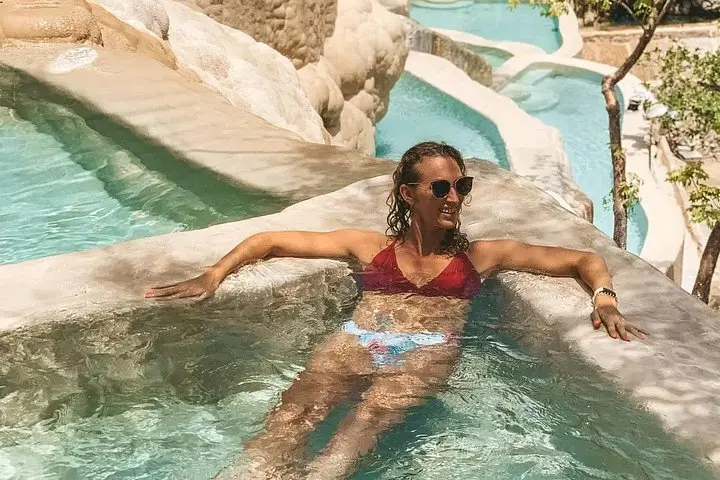
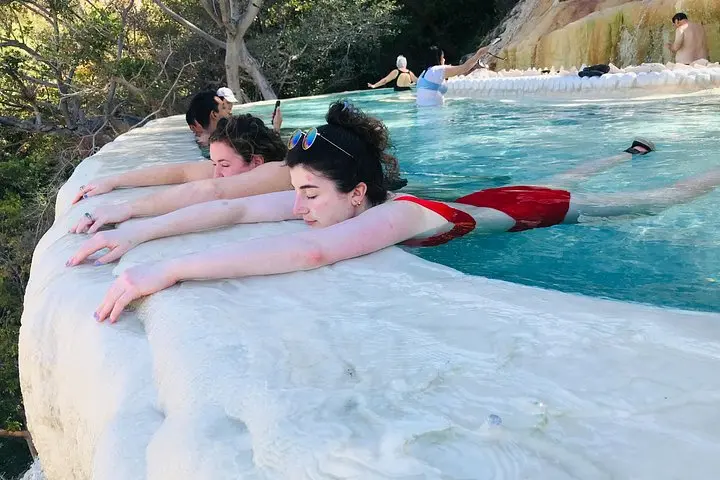
Grutas de Tolantongo occupies a volcanic fracture in Hidalgo where groundwater warms along deep faults; locals have bathed here for generations, and the site now mixes rustic infrastructure with raw geology. Walk the stepped terraces and you feel the land’s slow work: silica and minerals building ledges, a natural aqueduct spilling from one pool to the next. Cultural notes: the area sits in the central Mexican highlands with Otomí and small rural communities nearby—entrance fees and services help sustain local jobs.
Practical guidance: most visitors pick a full-day private transfer from Mexico City (roughly 3–4 hours each way depending on traffic) or an overnight option that lets you time early-morning soaking when crowds thin. Water temperatures run about 35–38°C; bring water shoes for slick rock, a swimsuit, towel and a dry bag for electronics. If you want steam, enter “El Tunel,” a 15‑m cave with natural vapor; for a shoulder massage, stand under the thermal waterfalls in “La Cueva.”
Timing and safety: avoid heavy afternoon storms in summer—flashier runoff can make rocks slippery—and limit long soaking for anyone with cardiovascular concerns. Pack water, snacks, and a lightweight layer for cool canyon evenings: the place rewards patience and sensible preparation.
Expect roughly 3–4 hours each way by road depending on traffic and route; private transfers often follow scenic valley roads.
Basic changing areas and snack vendors are available; bring your own water and preferred snacks for comfort and longer visits.
The thermal water is naturally heated and generally safe, but monitor children closely—pools vary in depth and temperature, and parental supervision is required.
Many onsite services accept cash; some accept cards but it's wise to carry cash for entrance fees, vendors and tips.
Vibe Adventures operates guided outdoor trips and adventures with an emphasis on safety, stewardship, and memorable experiences.
You arrive before dawn, the road unspooling through serrated ridges until the canyon opens and thermal steam lifts off a ribbon of turquoise pools clinging to the cliff. The canyon walls loom—nearly 500 meters high in places—channeling a warm current that threads from mineral springs into terraced basins and a narrow, vivid river.
You arrive before dawn, the road unspooling through serrated ridges until the canyon opens and thermal steam lifts off a ribbon of turquoise pools clinging to the cliff. The canyon walls loom—nearly 500 meters high in places—channeling a warm current that threads from mineral springs into terraced basins and a narrow, vivid river.
Grutas de Tolantongo occupies a volcanic fracture in Hidalgo where groundwater warms along deep faults; locals have bathed here for generations, and the site now mixes rustic infrastructure with raw geology. Walk the stepped terraces and you feel the land’s slow work: silica and minerals building ledges, a natural aqueduct spilling from one pool to the next. Cultural notes: the area sits in the central Mexican highlands with Otomí and small rural communities nearby—entrance fees and services help sustain local jobs.
Practical guidance: most visitors pick a full-day private transfer from Mexico City (roughly 3–4 hours each way depending on traffic) or an overnight option that lets you time early-morning soaking when crowds thin. Water temperatures run about 35–38°C; bring water shoes for slick rock, a swimsuit, towel and a dry bag for electronics. If you want steam, enter “El Tunel,” a 15‑m cave with natural vapor; for a shoulder massage, stand under the thermal waterfalls in “La Cueva.”
Timing and safety: avoid heavy afternoon storms in summer—flashier runoff can make rocks slippery—and limit long soaking for anyone with cardiovascular concerns. Pack water, snacks, and a lightweight layer for cool canyon evenings: the place rewards patience and sensible preparation.