THE ADVENTURE COLLECTIVE® · Independent discovery and booking for outdoor travel
Experience everyday life on the banks of the Ozama River: ride the cable car, cross by wooden boat, visit local springs and share a home-cooked Dominican lunch in Gualey. This guided half-day tour pairs cultural immersion with easy, walkable activities.
Experience everyday life on the banks of the Ozama River: ride the cable car, cross by wooden boat, visit local springs and share a home-cooked Dominican lunch in Gualey. This guided half-day tour pairs cultural immersion with easy, walkable activities.
Step off the cable car and the neighborhood meets you at eye level: steam from a fresh pot of coffee, the clack of domino tiles, and the Ozama River sliding past like a patient neighbor daring you to look closer.
Verified experiences and guided adventures in the surrounding area.
Operated by Tourimpact · Santo Domingo, Santo Domingo Province
Step off the cable car and the neighborhood meets you at eye level: steam from a fresh pot of coffee, the clack of domino tiles, and the Ozama River sliding past like a patient neighbor daring you to look closer.
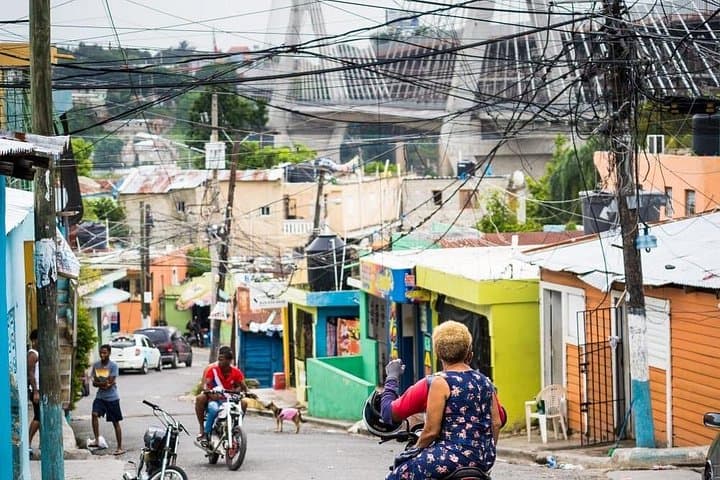
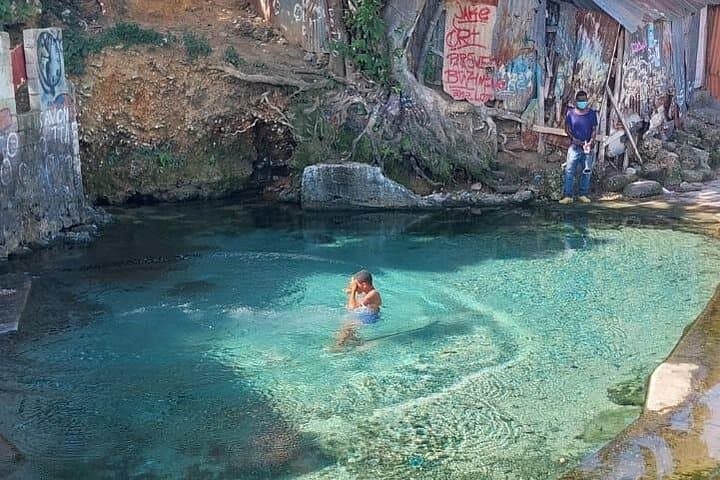
This half-day rural tour threads through Gualey, a working-class quarter on the riverbank where community life centers on small colmados, barber shops and open-air kitchens. Geologically, the area sits on low coastal plains fed by the Ozama and its tributaries; the springs visited here are local freshwater seeps that historically supplied nearby homes before modern plumbing. The cableway that serves as a neighborhood landmark provides a quick aerial sketch of the river’s curve and the dense urban fabric that grew around it.
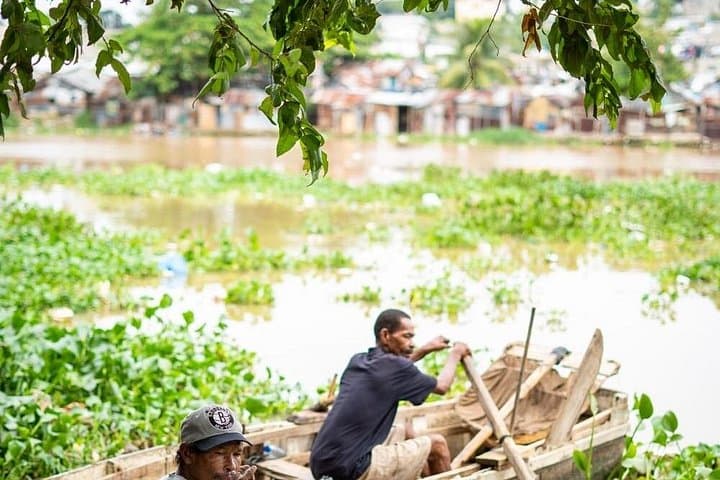
Culturally, the tour emphasizes local exchange: guests share a host-family lunch, watch artisans at work, and may join a domino game or the spirited chatter of a barbershop. A short wooden-boat crossing of the Ozama gives a different angle on the city—water pushing past pilings, reflections splitting into light.
Practical guidance: expect 5–6 hours total with gentle walking and short boat and cable-car segments. The operator coordinates with community leaders and recommends joining with a guide rather than exploring independently. Bring modest clothing, small bills for purchases, sun protection and a refillable water bottle. Cameras are fine but avoid flashy jewelry. Arrival timing matters—mornings are liveliest, and midday warmth makes shaded stops and the springs especially refreshing.
The tour operates with community hosts and a guide and is recommended to join as part of the organized group rather than visiting the neighborhood alone.
Some springs are used by locals for bathing; guests may be allowed to enter depending on community practice—check with the guide and follow local etiquette.
Yes—photography is generally permitted, but avoid photographing people without permission and do not display expensive equipment conspicuously.
Lunch is a home-cooked Dominican meal prepared by host families, typically featuring rice, beans, protein and local sides—inform the operator of dietary restrictions in advance.
Tourimpact operates guided outdoor trips and adventures with an emphasis on safety, stewardship, and memorable experiences.

Step off the cable car and the neighborhood meets you at eye level: steam from a fresh pot of coffee, the clack of domino tiles, and the Ozama River sliding past like a patient neighbor daring you to look closer.
Step off the cable car and the neighborhood meets you at eye level: steam from a fresh pot of coffee, the clack of domino tiles, and the Ozama River sliding past like a patient neighbor daring you to look closer.
This half-day rural tour threads through Gualey, a working-class quarter on the riverbank where community life centers on small colmados, barber shops and open-air kitchens. Geologically, the area sits on low coastal plains fed by the Ozama and its tributaries; the springs visited here are local freshwater seeps that historically supplied nearby homes before modern plumbing. The cableway that serves as a neighborhood landmark provides a quick aerial sketch of the river’s curve and the dense urban fabric that grew around it.
Culturally, the tour emphasizes local exchange: guests share a host-family lunch, watch artisans at work, and may join a domino game or the spirited chatter of a barbershop. A short wooden-boat crossing of the Ozama gives a different angle on the city—water pushing past pilings, reflections splitting into light.
Practical guidance: expect 5–6 hours total with gentle walking and short boat and cable-car segments. The operator coordinates with community leaders and recommends joining with a guide rather than exploring independently. Bring modest clothing, small bills for purchases, sun protection and a refillable water bottle. Cameras are fine but avoid flashy jewelry. Arrival timing matters—mornings are liveliest, and midday warmth makes shaded stops and the springs especially refreshing.
