THE ADVENTURE COLLECTIVE® · Independent discovery and booking for outdoor travel

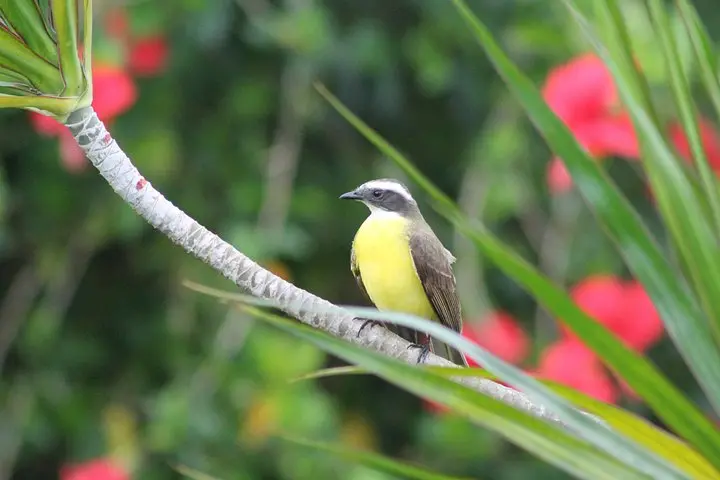
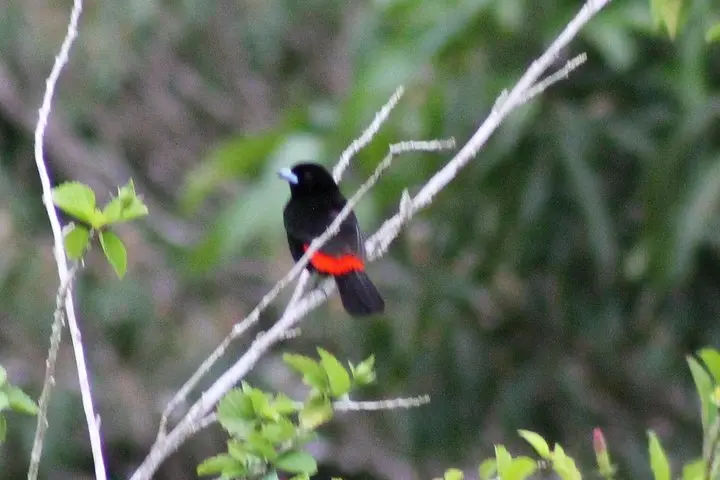
Spend two hours on a guided walk through private Guanacaste forest, where endemic and endangered birds are reliably seen. This easy tour combines close-up wildlife viewing with practical local insight for first-time birders and seasoned spotters alike.
Spend two hours on a guided walk through private Guanacaste forest, where endemic and endangered birds are reliably seen. This easy tour combines close-up wildlife viewing with practical local insight for first-time birders and seasoned spotters alike.
Dawn breaks over a low ridge in Guanacaste and the forest answers—wren-like chips, the hollow call of a trogon, and the steady drumming of a woodpecker. Guests set out on an easy walking loop across private property where trails thread through secondary dry forest and shaded gullies, each bend promising a new silhouette in the canopy.
Verified experiences and guided adventures in the surrounding area.
Operated by CRParaiso · Liberia, Guanacaste
Dawn breaks over a low ridge in Guanacaste and the forest answers—wren-like chips, the hollow call of a trogon, and the steady drumming of a woodpecker. Guests set out on an easy walking loop across private property where trails thread through secondary dry forest and shaded gullies, each bend promising a new silhouette in the canopy.
The region’s volcanic soils and seasonal dry forests shape a distinct bird community; species here reflect the transition between Pacific lowlands and interior highlands. Human stewardship is evident—this property’s protected stands and feeding stations support threatened species and create reliable viewing close to maintained paths. Local culture values these patches of forest: landowners in Guanacaste have increasingly embraced conservation to conserve water sources and bird habitat while supporting small-scale eco-tourism.
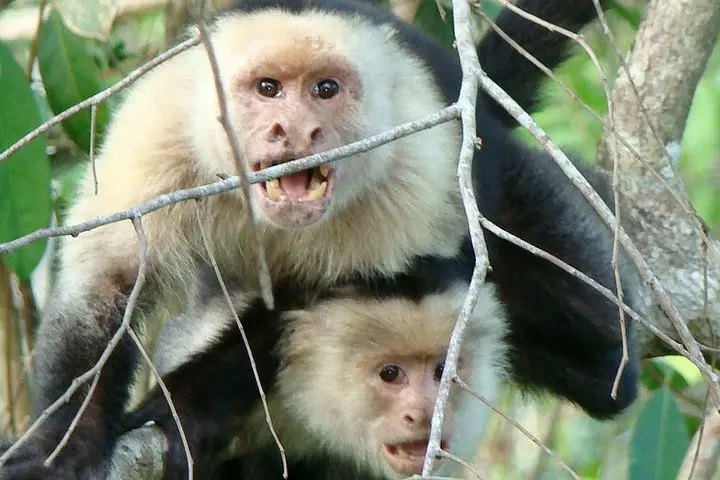
Expect binoculars, a guide fluent in local bird calls, and interpretive stops where guides point out identifying field marks, nesting sites, and signs of mammals like coatis or white-faced capuchins. The walk is sensory—leaves that rustle like pages, rivers that dare you to cross only on the marked route, and sunlight that punctures the understory in golden shafts.
Practical guidance: arrive at first light for peak activity, wear closed-toe shoes and quiet clothing, bring a refillable water bottle and insect repellent, and set phones to silent to avoid flushing birds. The tour lasts about two hours on mostly level terrain with short, uneven sections; it’s suitable for most fitness levels. Photography is welcome but keep distance from nests and follow the guide’s lead to minimize disturbance.
The tour is about two hours on mostly level trails with occasional uneven ground; it’s rated easy and suitable for most ages and fitness levels.
Yes—guides typically have spare binoculars or a monocular to loan if you don’t bring your own.
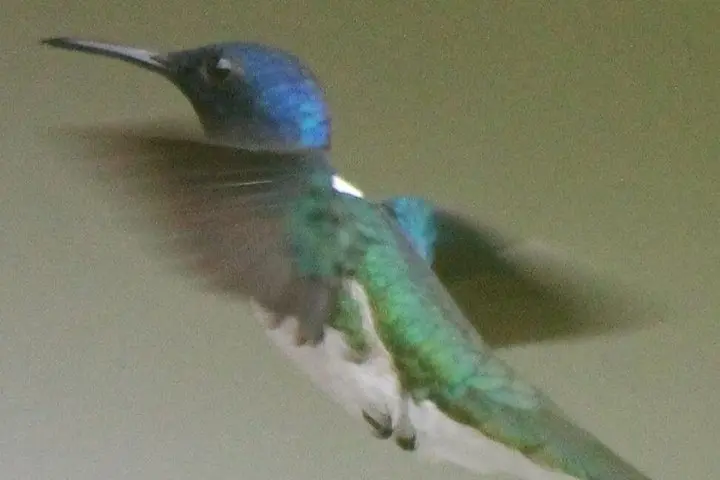
Expect a mix of dry-forest and Pacific lowland species—trogons, woodpeckers, hummingbirds, and occasional sightings of mammals like coatimundi and howler monkeys.
Yes; children are welcome but should be supervised, stay quiet on trails, and follow the guide’s instructions to protect wildlife.
CRParaiso operates guided outdoor trips and adventures with an emphasis on safety, stewardship, and memorable experiences.
Dawn breaks over a low ridge in Guanacaste and the forest answers—wren-like chips, the hollow call of a trogon, and the steady drumming of a woodpecker. Guests set out on an easy walking loop across private property where trails thread through secondary dry forest and shaded gullies, each bend promising a new silhouette in the canopy.
Dawn breaks over a low ridge in Guanacaste and the forest answers—wren-like chips, the hollow call of a trogon, and the steady drumming of a woodpecker. Guests set out on an easy walking loop across private property where trails thread through secondary dry forest and shaded gullies, each bend promising a new silhouette in the canopy.
The region’s volcanic soils and seasonal dry forests shape a distinct bird community; species here reflect the transition between Pacific lowlands and interior highlands. Human stewardship is evident—this property’s protected stands and feeding stations support threatened species and create reliable viewing close to maintained paths. Local culture values these patches of forest: landowners in Guanacaste have increasingly embraced conservation to conserve water sources and bird habitat while supporting small-scale eco-tourism.
Expect binoculars, a guide fluent in local bird calls, and interpretive stops where guides point out identifying field marks, nesting sites, and signs of mammals like coatis or white-faced capuchins. The walk is sensory—leaves that rustle like pages, rivers that dare you to cross only on the marked route, and sunlight that punctures the understory in golden shafts.
Practical guidance: arrive at first light for peak activity, wear closed-toe shoes and quiet clothing, bring a refillable water bottle and insect repellent, and set phones to silent to avoid flushing birds. The tour lasts about two hours on mostly level terrain with short, uneven sections; it’s suitable for most fitness levels. Photography is welcome but keep distance from nests and follow the guide’s lead to minimize disturbance.