THE ADVENTURE COLLECTIVE® · Independent discovery and booking for outdoor travel

Take a full‑day rafting run from Papagayo through Guanacaste’s volcanic foothills. Expect an 8‑hour day with Class III–IV rapids, hotel pickup, lunch, and guided river runs that vary by season.
Take a full‑day rafting run from Papagayo through Guanacaste’s volcanic foothills. Expect an 8‑hour day with Class III–IV rapids, hotel pickup, lunch, and guided river runs that vary by season.
The raft slides into the river with a hush and then the water begins to speak — shoves of foam, narrow chutes and sudden bowls that demand quick hands on the oars. You push off from an embankment framed by dry‑forest scrub and volcanic outcrops; the guide calls commands and the current obliges, daring you into a sequence of Class III–IV rapids that change with the seasons.
Verified experiences and guided adventures in the surrounding area.
Operated by Costa Rica Issys Tours · Playa Hermosa, Guanacaste
The raft slides into the river with a hush and then the water begins to speak — shoves of foam, narrow chutes and sudden bowls that demand quick hands on the oars. You push off from an embankment framed by dry‑forest scrub and volcanic outcrops; the guide calls commands and the current obliges, daring you into a sequence of Class III–IV rapids that change with the seasons.
Guanacaste’s rivers are shaped by volcanic soils and steep foothills that funnel rainwater into concentrated runs. The Tenorio/Corobicí corridor and nearby waterways cut through terrain shaped by ancient eruptions and centuries of cattle ranching culture; local communities retain a strong sabanero (cowboy) heritage and a growing eco‑tourism economy that balances thrill‑seeking with conservation.
Expect a full day: hotel pickup near Papagayo or Playa Hermosa, a scenic transfer through dusty plains and forested ravines, then instruction, multiple river runs, and a riverside lunch. Guides issue life vests and helmets and adjust lines for water levels — the rapids read differently after rains.
Practically, come fit enough for several hours of paddling and the occasional scramble over rocky shorelines. Wear closed‑toe water shoes and quick‑dry layers, lock down eyeglasses or bring a strap, and bring sunscreen and a dry bag for your phone. Timing matters: the dry season mellows some drops; the rainy season fattens flows but can make Class IV sections punchier. Listen to the safety briefing, follow the guide, and treat the river with respect — it’s beautiful, fast, and always in charge.
No prior experience is required; tours are guide‑led, but participants should have a moderate level of fitness and be comfortable following commands.
Expect roughly 8 hours total including hotel pickup, transfers, safety briefing, multiple river runs, lunch, and return transport.
Limits vary by operator — many providers set minimum ages (often around 12) and maximum weight for safety; confirm during booking.
Operators may postpone or cancel high‑water runs for safety; the cancellation policy typically allows refunds if conditions are unsafe.
Costa Rica Issys Tours operates guided outdoor trips and adventures with an emphasis on safety, stewardship, and memorable experiences.
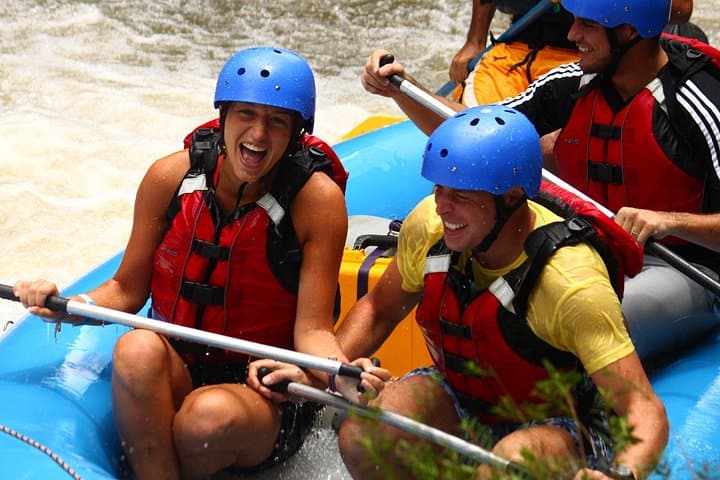
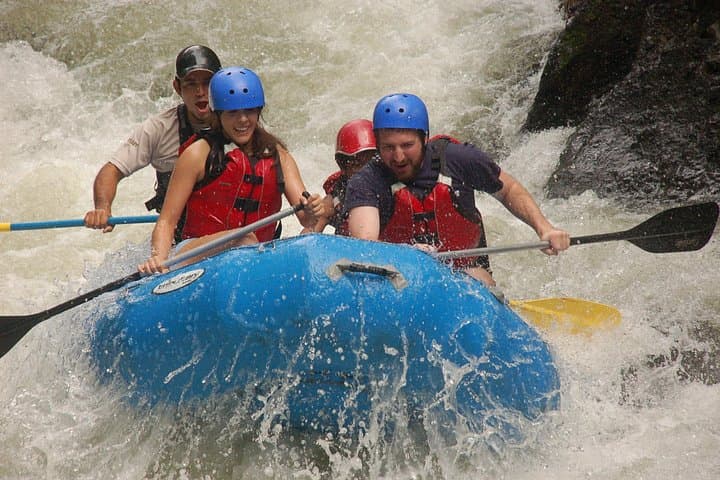
The raft slides into the river with a hush and then the water begins to speak — shoves of foam, narrow chutes and sudden bowls that demand quick hands on the oars. You push off from an embankment framed by dry‑forest scrub and volcanic outcrops; the guide calls commands and the current obliges, daring you into a sequence of Class III–IV rapids that change with the seasons.
The raft slides into the river with a hush and then the water begins to speak — shoves of foam, narrow chutes and sudden bowls that demand quick hands on the oars. You push off from an embankment framed by dry‑forest scrub and volcanic outcrops; the guide calls commands and the current obliges, daring you into a sequence of Class III–IV rapids that change with the seasons.
Guanacaste’s rivers are shaped by volcanic soils and steep foothills that funnel rainwater into concentrated runs. The Tenorio/Corobicí corridor and nearby waterways cut through terrain shaped by ancient eruptions and centuries of cattle ranching culture; local communities retain a strong sabanero (cowboy) heritage and a growing eco‑tourism economy that balances thrill‑seeking with conservation.
Expect a full day: hotel pickup near Papagayo or Playa Hermosa, a scenic transfer through dusty plains and forested ravines, then instruction, multiple river runs, and a riverside lunch. Guides issue life vests and helmets and adjust lines for water levels — the rapids read differently after rains.
Practically, come fit enough for several hours of paddling and the occasional scramble over rocky shorelines. Wear closed‑toe water shoes and quick‑dry layers, lock down eyeglasses or bring a strap, and bring sunscreen and a dry bag for your phone. Timing matters: the dry season mellows some drops; the rainy season fattens flows but can make Class IV sections punchier. Listen to the safety briefing, follow the guide, and treat the river with respect — it’s beautiful, fast, and always in charge.