THE ADVENTURE COLLECTIVE® · Independent discovery and booking for outdoor travel

Explore Guangzhou’s deep history and modern skyline in one day: tomb relics and clan halls give way to colonial Shamian and the soaring Canton Tower. This paced small-group tour blends museums, parks and riverfronts with local transit and an English-speaking guide.
Explore Guangzhou’s deep history and modern skyline in one day: tomb relics and clan halls give way to colonial Shamian and the soaring Canton Tower. This paced small-group tour blends museums, parks and riverfronts with local transit and an English-speaking guide.
Morning light slips along the Pearl River as a small group gathers at the entrance of the Museum of the Nanyue King, the city’s buried history literally beneath its feet. The guide leads you inside cool stone rooms where Western Han grave goods lie preserved, then out into Yuexiu Park where the 5 Rams watch over locals practicing tai chi and karaoke alike.
Verified experiences and guided adventures in the surrounding area.
Operated by SilkRoadTrips · Guangzhou, Guangdong
Morning light slips along the Pearl River as a small group gathers at the entrance of the Museum of the Nanyue King, the city’s buried history literally beneath its feet. The guide leads you inside cool stone rooms where Western Han grave goods lie preserved, then out into Yuexiu Park where the 5 Rams watch over locals practicing tai chi and karaoke alike.
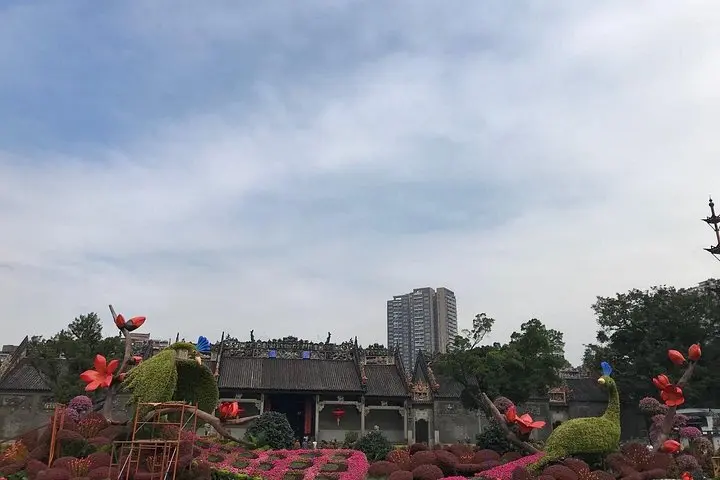
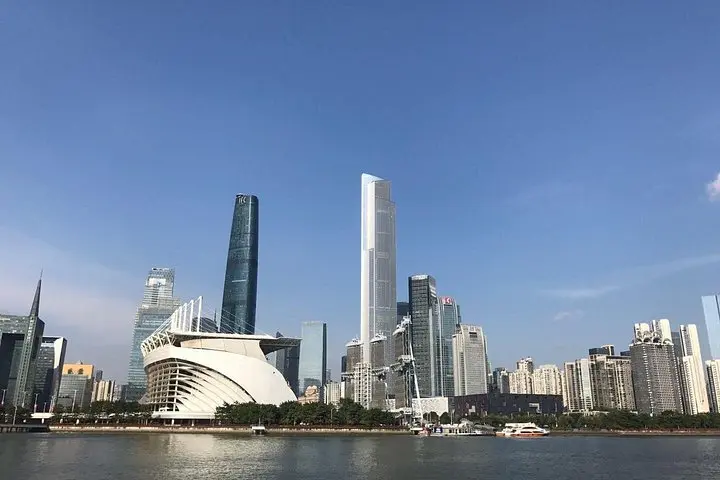
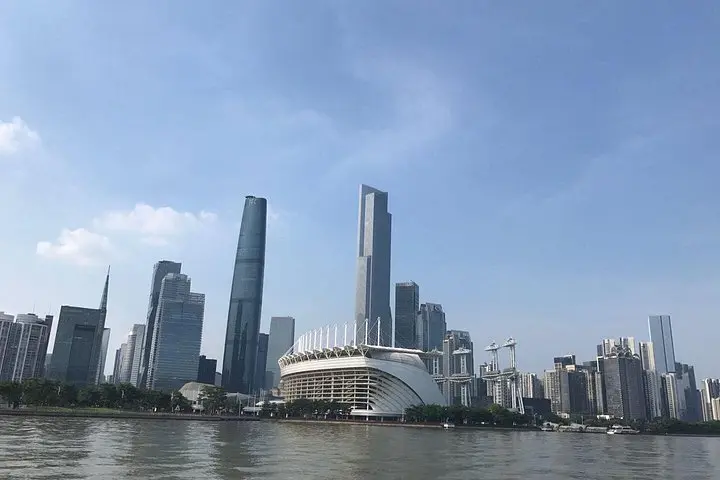
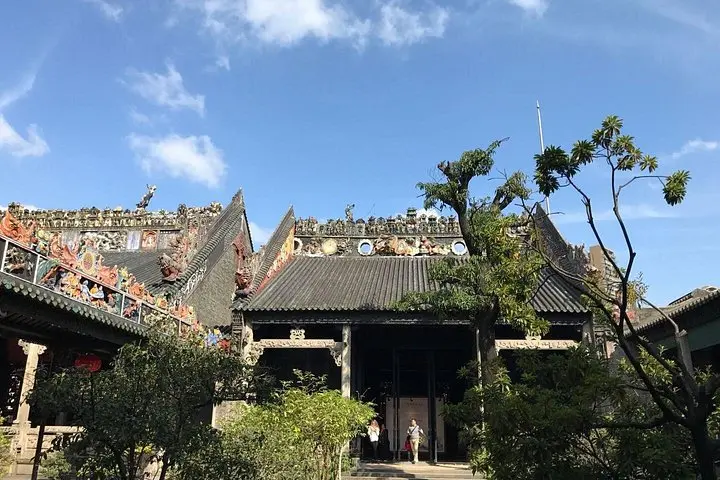
Guangzhou’s story stretches from 2,200 years ago—when the Nanyue Kingdom dominated the region—through Ming defensive walls to late Qing clan halls. The richly carved Chen Clan Ancestral Hall (1894) shows Cantonese craftsmanship in wood, brick and plaster; Shamian Island’s colonial façades recall 19th-century treaty-port exchanges, while the Canton Tower and Huacheng Square announce the city’s leap into the 21st century.
Geologically the city sits on the Pearl River delta’s alluvial plain: flat walking, easy footing, but humid conditions and sudden showers are common. The river itself seems to tug the city toward trade and movement—boats, bridges and neon nightly reflections that feel alive.
Practically: expect 8 hours of mostly paved walking and short metro hops, roughly 3–5 km of on-foot sightseeing with stairs at museum sites. Wear comfortable shoes, carry a light rain layer and ID, and keep small local bills for optional tickets like Canton Tower. Bottled water is provided, but refillable bottles and a charged phone for maps will make the day smoother.
Timing tip: start early to beat midday heat and finish at Huacheng Square for skyline views as lights come on.
The tour starts and ends at the entrance of the Museum of the Nanyue King Mausoleum in Yuexiu District; exact meeting point is provided on your booking confirmation.
Entrance to listed museums like the Nanyue King Mausoleum and Chen Clan Ancestral Hall are included; some optional sites such as Canton Tower observation decks are extra.
Yes—this is paced for all fitness levels, though participants should be prepared for up to 3–5 km of walking and occasional stairs; inform the operator of mobility needs in advance.
The tour ends at Huacheng Square near the Canton Tower; public transit (metro/taxi) is readily available and the guide can advise on routes back to central hotels.
SilkRoadTrips operates guided outdoor trips and adventures with an emphasis on safety, stewardship, and memorable experiences.
Morning light slips along the Pearl River as a small group gathers at the entrance of the Museum of the Nanyue King, the city’s buried history literally beneath its feet. The guide leads you inside cool stone rooms where Western Han grave goods lie preserved, then out into Yuexiu Park where the 5 Rams watch over locals practicing tai chi and karaoke alike.
Morning light slips along the Pearl River as a small group gathers at the entrance of the Museum of the Nanyue King, the city’s buried history literally beneath its feet. The guide leads you inside cool stone rooms where Western Han grave goods lie preserved, then out into Yuexiu Park where the 5 Rams watch over locals practicing tai chi and karaoke alike.
Guangzhou’s story stretches from 2,200 years ago—when the Nanyue Kingdom dominated the region—through Ming defensive walls to late Qing clan halls. The richly carved Chen Clan Ancestral Hall (1894) shows Cantonese craftsmanship in wood, brick and plaster; Shamian Island’s colonial façades recall 19th-century treaty-port exchanges, while the Canton Tower and Huacheng Square announce the city’s leap into the 21st century.
Geologically the city sits on the Pearl River delta’s alluvial plain: flat walking, easy footing, but humid conditions and sudden showers are common. The river itself seems to tug the city toward trade and movement—boats, bridges and neon nightly reflections that feel alive.
Practically: expect 8 hours of mostly paved walking and short metro hops, roughly 3–5 km of on-foot sightseeing with stairs at museum sites. Wear comfortable shoes, carry a light rain layer and ID, and keep small local bills for optional tickets like Canton Tower. Bottled water is provided, but refillable bottles and a charged phone for maps will make the day smoother.
Timing tip: start early to beat midday heat and finish at Huacheng Square for skyline views as lights come on.