THE ADVENTURE COLLECTIVE® · Independent discovery and booking for outdoor travel

A private full-day drive from Guangzhou to Yingde takes you into classic karst country: Baojinggong Cave’s polished limestone and a cliff-top glass bridge on Mount Lion. Expect wet cave floors, short hikes, and about 10–12 hours including travel.
A private full-day drive from Guangzhou to Yingde takes you into classic karst country: Baojinggong Cave’s polished limestone and a cliff-top glass bridge on Mount Lion. Expect wet cave floors, short hikes, and about 10–12 hours including travel.
You step out of the car into a pocket of cool air—the karst cliffs of Yingde rise like cut limestone pages, and a narrow trail threads toward a cave mouth where water runs with a steady, daring insistence.
Verified experiences and guided adventures in the surrounding area.
Operated by SilkRoadTrips · Yingde, Guangdong
You step out of the car into a pocket of cool air—the karst cliffs of Yingde rise like cut limestone pages, and a narrow trail threads toward a cave mouth where water runs with a steady, daring insistence.
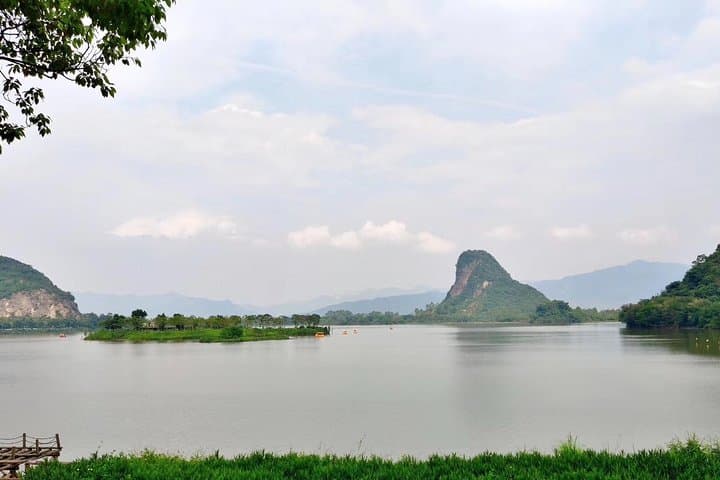
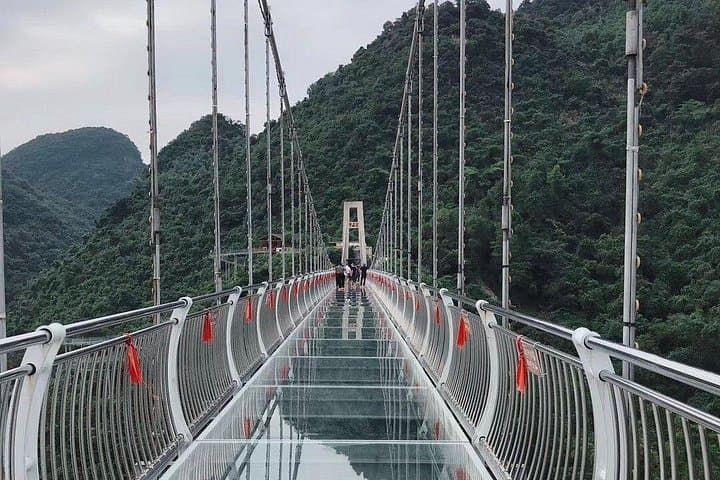
Baojinggong is a classic karst cave: polished stalactites and calcite flows carved over millennia, a small waterfall that drops into a shallow pool, and dark passages that hold bats and the slow drip of time. Nearby, Mount Lion perches above the valley with a modern glass bridge that forces a clear look at the drop below and opens up sweeping views of forested ridges and rice-stand islands.
Geology here is straightforward and dramatic—limestone dissolved into caves and pinnacles during the South China subtropical monsoon cycles. Yingde’s human history ties to Lingnan trade routes and local tea and rice farming; the caves were local markers long before they were tourist stops.
Practical side: expect a long day — roughly 10–12 hours door-to-door from central Guangzhou — with about two hours driving each way. Trails are short but uneven; cave floors are wet and can be slippery. The glass bridge is accessible but exposed; those with vertigo should prepare mentally or skip that stretch. Lunch at a local restaurant is included and gives a chance to sample simple Cantonese countryside dishes.
Plan clothing in layers, wear grippy shoes, and bring a small daypack with water and a lightweight rain shell. Cameras are welcome but keep flashes low in the cave and respect posted signs; stay on paths and avoid touching formations to keep them for the next traveler.
The private transfer is about 2 hours each way depending on traffic; total tour time is typically 10–12 hours including stops.
Yes — the tour price includes entrance fees to the cave and Mount Lion attractions and a Chinese-style lunch at a local restaurant.
No—walking through Baojinggong involves short, uneven sections and steps, but it’s considered easy and suitable for most visitors; wear non-slip shoes.
The bridge is engineered for public use, but it’s exposed and can be unsettling; children should be supervised and anyone with balance concerns should consider staying on solid viewpoints.
SilkRoadTrips operates guided outdoor trips and adventures with an emphasis on safety, stewardship, and memorable experiences.


You step out of the car into a pocket of cool air—the karst cliffs of Yingde rise like cut limestone pages, and a narrow trail threads toward a cave mouth where water runs with a steady, daring insistence.
You step out of the car into a pocket of cool air—the karst cliffs of Yingde rise like cut limestone pages, and a narrow trail threads toward a cave mouth where water runs with a steady, daring insistence.
Baojinggong is a classic karst cave: polished stalactites and calcite flows carved over millennia, a small waterfall that drops into a shallow pool, and dark passages that hold bats and the slow drip of time. Nearby, Mount Lion perches above the valley with a modern glass bridge that forces a clear look at the drop below and opens up sweeping views of forested ridges and rice-stand islands.
Geology here is straightforward and dramatic—limestone dissolved into caves and pinnacles during the South China subtropical monsoon cycles. Yingde’s human history ties to Lingnan trade routes and local tea and rice farming; the caves were local markers long before they were tourist stops.
Practical side: expect a long day — roughly 10–12 hours door-to-door from central Guangzhou — with about two hours driving each way. Trails are short but uneven; cave floors are wet and can be slippery. The glass bridge is accessible but exposed; those with vertigo should prepare mentally or skip that stretch. Lunch at a local restaurant is included and gives a chance to sample simple Cantonese countryside dishes.
Plan clothing in layers, wear grippy shoes, and bring a small daypack with water and a lightweight rain shell. Cameras are welcome but keep flashes low in the cave and respect posted signs; stay on paths and avoid touching formations to keep them for the next traveler.