THE ADVENTURE COLLECTIVE® · Independent discovery and booking for outdoor travel

Spend a day with Guarani communities on the outskirts of São Paulo—learning ancestral gardening, crafts and song while choosing between a river bath in Capivari‑Monos or the panoramic summit at Pico do Jaraguá.
Spend a day with Guarani communities on the outskirts of São Paulo—learning ancestral gardening, crafts and song while choosing between a river bath in Capivari‑Monos or the panoramic summit at Pico do Jaraguá.
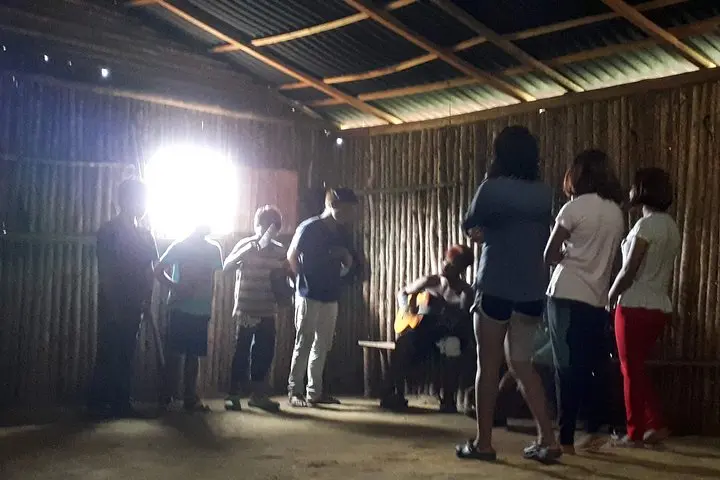
You step out of the air‑conditioned van and the city’s noise loosens its grip. A forest track takes over: leaves whisper, a river dares you to cool off, and the village appears—simple wooden houses, woven mats drying in the sun, and people moving with practiced calm.
Verified experiences and guided adventures in the surrounding area.
Operated by Italiano em São Paulo · São Paulo, São Paulo
You step out of the air‑conditioned van and the city’s noise loosens its grip. A forest track takes over: leaves whisper, a river dares you to cool off, and the village appears—simple wooden houses, woven mats drying in the sun, and people moving with practiced calm.
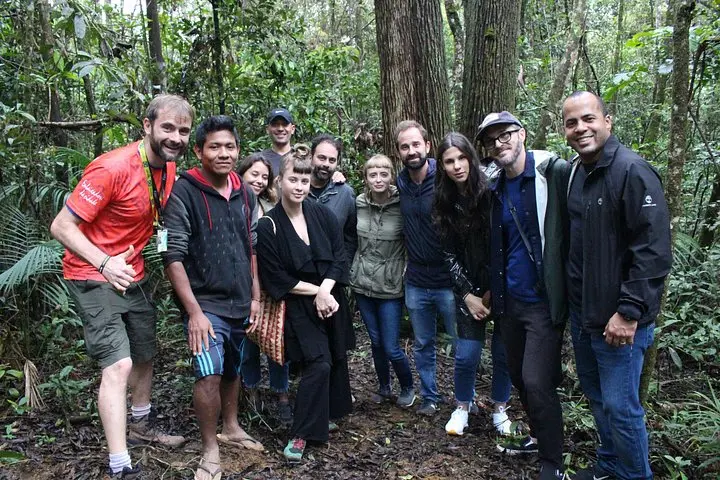
This daylong visit connects travelers with Guarani communities who live and persist on the edges of São Paulo in Jaraguá State Park or the Capivari‑Monos Environmental Protection Area. The Guarani carry deep botanical knowledge—planting cycles, medicinal uses and crafts passed through generations—and their presence in the São Paulo region predates the city’s modern sprawl.
Geologically, the Parelheiros route skirts an ancient crater and low ridges carved over millions of years; the Jaraguá route climbs toward Pico do Jaraguá, the city’s highest lookout, where urban panorama meets forested escarpment. Cultural exchange is the core: visitors learn about agriculture, music and craft, and proceeds support community projects.
Practical guide: trips run 5–10 hours and require at least two people. Expect uneven forest paths or short village walks; footwear that grips damp roots matters more than summit fitness. Bring respectful curiosity—ask before photographing—and a small amount of cash if you’d like to purchase handicrafts. In warmer months the river route invites a swim; on the Jaraguá itinerary plan for exposed viewpoints and stronger sun. Hydrate, carry insect repellent, and follow hosts’ guidance—your visit helps fund community priorities and low‑impact tourism.
Travelers leave with new perspective: the city’s edge is porous, nature pushes back, and the Guarani keep traditions that invite quieter, attentive travel.
Tours run roughly 5 to 10 hours depending on route selection (river or summit) and travel time from pickup point.
Yes—operators note the activity is physically easy; however, participants should be able to walk short distances and follow hosts’ instructions.
Guides and community members most often speak Portuguese; interpreters or bilingual guides may be available on request—confirm at booking.
Yes, bring small bills if you wish to buy crafts or contribute directly to community projects—card facilities are unlikely in villages.
Italiano em São Paulo operates guided outdoor trips and adventures with an emphasis on safety, stewardship, and memorable experiences.
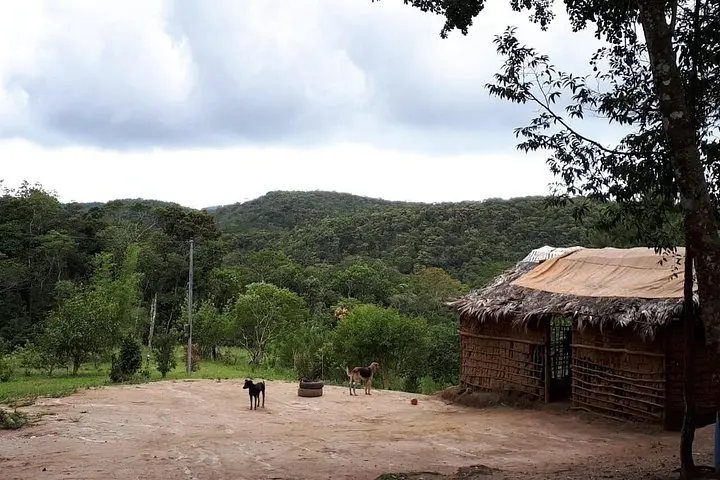
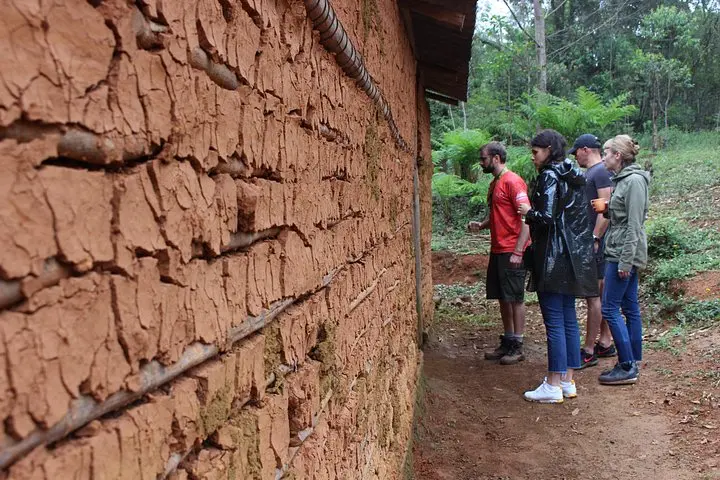
You step out of the air‑conditioned van and the city’s noise loosens its grip. A forest track takes over: leaves whisper, a river dares you to cool off, and the village appears—simple wooden houses, woven mats drying in the sun, and people moving with practiced calm.
You step out of the air‑conditioned van and the city’s noise loosens its grip. A forest track takes over: leaves whisper, a river dares you to cool off, and the village appears—simple wooden houses, woven mats drying in the sun, and people moving with practiced calm.
This daylong visit connects travelers with Guarani communities who live and persist on the edges of São Paulo in Jaraguá State Park or the Capivari‑Monos Environmental Protection Area. The Guarani carry deep botanical knowledge—planting cycles, medicinal uses and crafts passed through generations—and their presence in the São Paulo region predates the city’s modern sprawl.
Geologically, the Parelheiros route skirts an ancient crater and low ridges carved over millions of years; the Jaraguá route climbs toward Pico do Jaraguá, the city’s highest lookout, where urban panorama meets forested escarpment. Cultural exchange is the core: visitors learn about agriculture, music and craft, and proceeds support community projects.
Practical guide: trips run 5–10 hours and require at least two people. Expect uneven forest paths or short village walks; footwear that grips damp roots matters more than summit fitness. Bring respectful curiosity—ask before photographing—and a small amount of cash if you’d like to purchase handicrafts. In warmer months the river route invites a swim; on the Jaraguá itinerary plan for exposed viewpoints and stronger sun. Hydrate, carry insect repellent, and follow hosts’ guidance—your visit helps fund community priorities and low‑impact tourism.
Travelers leave with new perspective: the city’s edge is porous, nature pushes back, and the Guarani keep traditions that invite quieter, attentive travel.