THE ADVENTURE COLLECTIVE® · Independent discovery and booking for outdoor travel

Spend three hours exploring Guatemala City’s historic core—from the Cathedral and National Palace to crowded markets and colonial churches—with a local guide who brings history and culture to life.
Spend three hours exploring Guatemala City’s historic core—from the Cathedral and National Palace to crowded markets and colonial churches—with a local guide who brings history and culture to life.
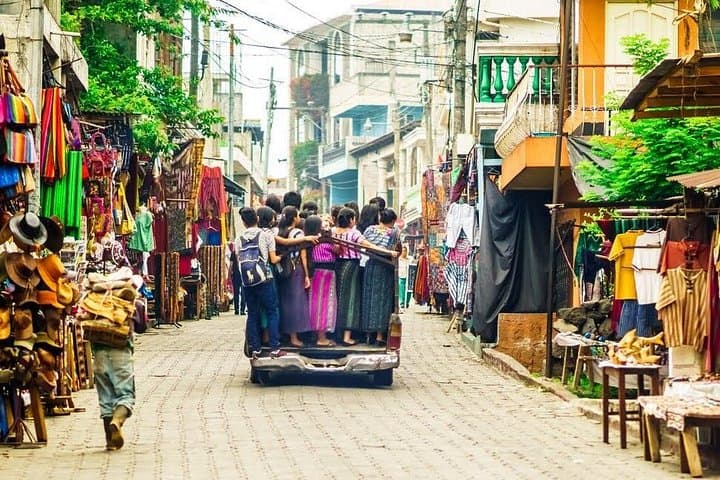
You step off a broad avenue into a city of abrupt angles and bright storefronts: vendors call from beneath striped awnings, traffic hums along boulevards, and the bell of the Cathedral marks the hour. The three-hour walking tour threads through Guatemala City’s historic core, collapsing time between colonial churches, early republic architecture and the everyday commerce of the Central Market.
Verified experiences and guided adventures in the surrounding area.
Operated by Opatrip.com Guatemala · Guatemala City, Guatemala
You step off a broad avenue into a city of abrupt angles and bright storefronts: vendors call from beneath striped awnings, traffic hums along boulevards, and the bell of the Cathedral marks the hour. The three-hour walking tour threads through Guatemala City’s historic core, collapsing time between colonial churches, early republic architecture and the everyday commerce of the Central Market.
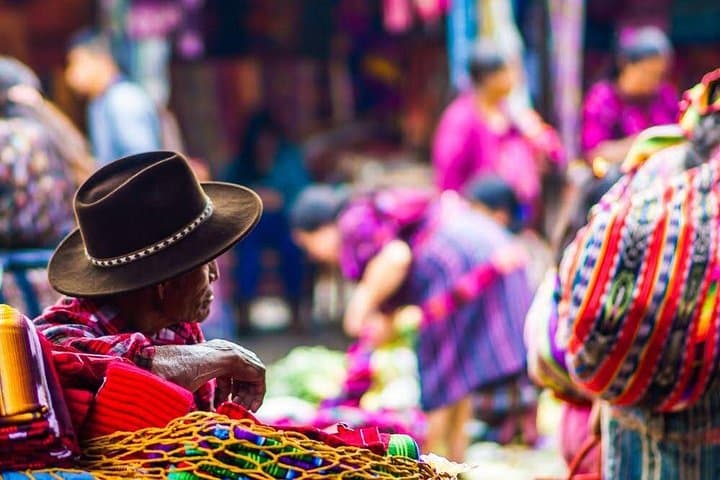
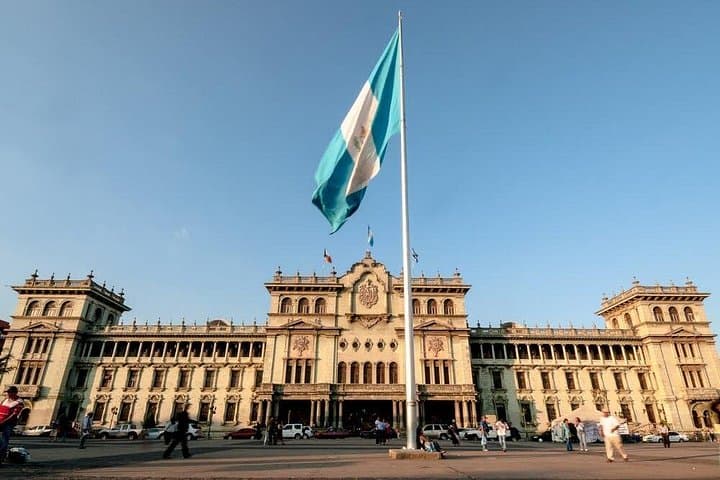
The route visits the Cathedral and Parque Central, the National Palace of Culture with its imposing façade, and the labyrinthine Central Market where stalls sell textiles, produce and street food. Churches like San Francisco, La Merced and Del Carmen show Spanish-era influences and later repairs after the earthquakes that shifted the old capital from Antigua to the valley below. Geologically, the city sits high in a volcanic highland—about 1,500 meters above sea level—with visible ridgelines and distant volcanoes such as Pacaya pushing the skyline.
A local guide will layer cultural context—holiday rituals like Quema del Diablo in December, mid-century political shifts that affected the region, and the daily rhythms of commerce—while pointing out architectural details and small museums like the National History Museum.
Practical guidance: expect 2–3 miles (3–5 km) of mostly paved walking with some uneven cobblestones and one short hill; wear sturdy shoes, bring sunscreen and a refillable water bottle, and carry small bills for market purchases. Travel light, keep valuables discreet, and let the guide steer you through crowded areas for a smoother, safer experience.
The tour covers about 2–3 miles (3–5 km) of walking spread over three hours with multiple stops at landmarks.
Yes—it's rated easy and suitable for most ages, but mobility limitations or difficulty with uneven sidewalks should be considered.
Yes—bring small bills and coins for market purchases, snacks, and tipping your guide; some vendors do not accept cards.
The tour lists entrance to the National History Museum as included; check your booking confirmation for final inclusions.
Opatrip.com Guatemala operates guided outdoor trips and adventures with an emphasis on safety, stewardship, and memorable experiences.

You step off a broad avenue into a city of abrupt angles and bright storefronts: vendors call from beneath striped awnings, traffic hums along boulevards, and the bell of the Cathedral marks the hour. The three-hour walking tour threads through Guatemala City’s historic core, collapsing time between colonial churches, early republic architecture and the everyday commerce of the Central Market.
You step off a broad avenue into a city of abrupt angles and bright storefronts: vendors call from beneath striped awnings, traffic hums along boulevards, and the bell of the Cathedral marks the hour. The three-hour walking tour threads through Guatemala City’s historic core, collapsing time between colonial churches, early republic architecture and the everyday commerce of the Central Market.
The route visits the Cathedral and Parque Central, the National Palace of Culture with its imposing façade, and the labyrinthine Central Market where stalls sell textiles, produce and street food. Churches like San Francisco, La Merced and Del Carmen show Spanish-era influences and later repairs after the earthquakes that shifted the old capital from Antigua to the valley below. Geologically, the city sits high in a volcanic highland—about 1,500 meters above sea level—with visible ridgelines and distant volcanoes such as Pacaya pushing the skyline.
A local guide will layer cultural context—holiday rituals like Quema del Diablo in December, mid-century political shifts that affected the region, and the daily rhythms of commerce—while pointing out architectural details and small museums like the National History Museum.
Practical guidance: expect 2–3 miles (3–5 km) of mostly paved walking with some uneven cobblestones and one short hill; wear sturdy shoes, bring sunscreen and a refillable water bottle, and carry small bills for market purchases. Travel light, keep valuables discreet, and let the guide steer you through crowded areas for a smoother, safer experience.