THE ADVENTURE COLLECTIVE® · Independent discovery and booking for outdoor travel

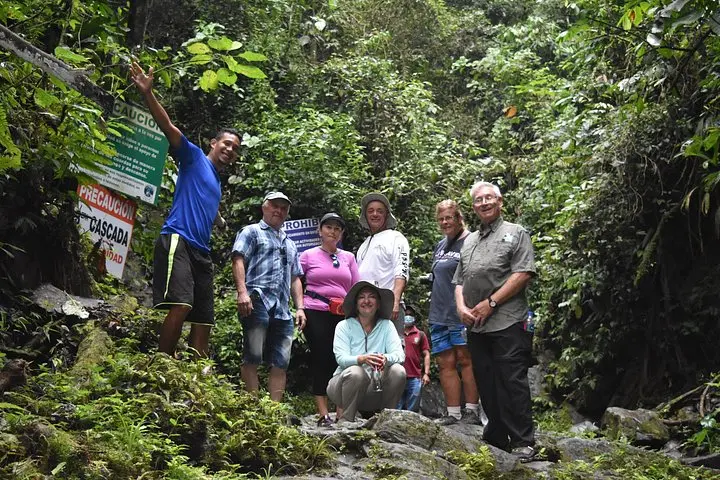
Three days in and around Guayaquil mix city stairs, riverfront promenades, and tidal mangroves. Pick a nature day—Churute’s canoe channels, Naranjal’s waterfall climb, or Zhagal hot springs—to complement historic city walks.
Three days in and around Guayaquil mix city stairs, riverfront promenades, and tidal mangroves. Pick a nature day—Churute’s canoe channels, Naranjal’s waterfall climb, or Zhagal hot springs—to complement historic city walks.
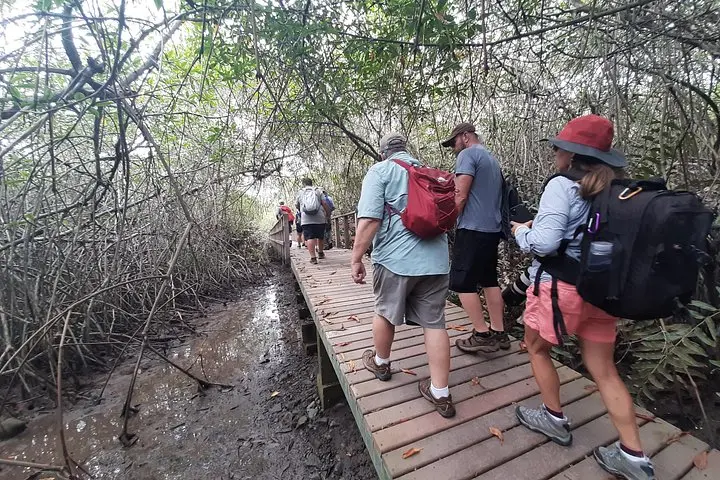
Morning on the Malecón feels like a slow exhale: the Guayas River pushes silver light under the pedestrian bridges while vendors set up coffee and fresh juice. On this three-day loop the city’s urban pulse — painted stairways of Las Peñas, the climb to Santa Ana Lighthouse, and the slow-moving iguanas of Parque Seminario — gives way to tidal channels where mangroves reach like fingers into brackish water.
Verified experiences and guided adventures in the surrounding area.
Operated by Perfect Destiny · Guayaquil, Guayas
Morning on the Malecón feels like a slow exhale: the Guayas River pushes silver light under the pedestrian bridges while vendors set up coffee and fresh juice. On this three-day loop the city’s urban pulse — painted stairways of Las Peñas, the climb to Santa Ana Lighthouse, and the slow-moving iguanas of Parque Seminario — gives way to tidal channels where mangroves reach like fingers into brackish water.
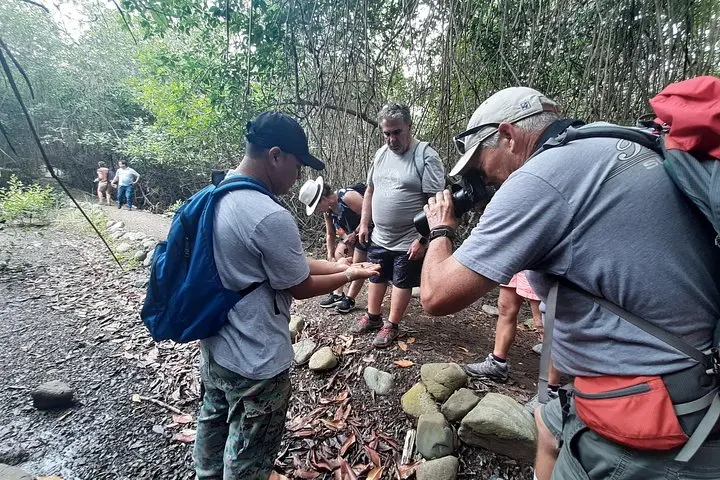
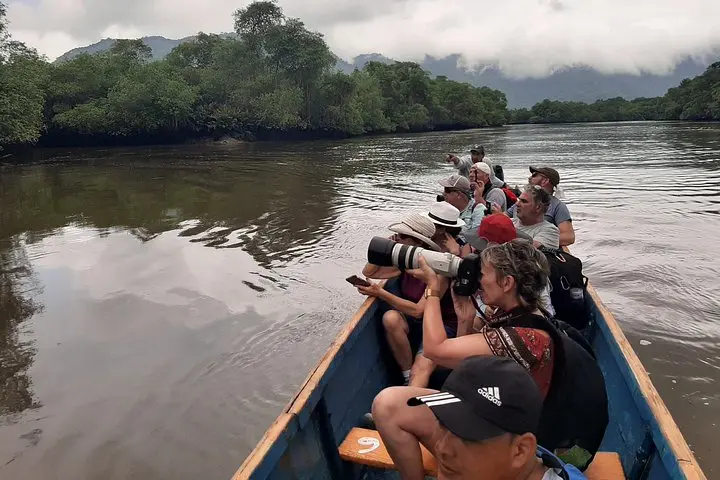
Guayaquil grew from a colonial port into Ecuador’s commercial engine; its October 9 independence and the Moorish Tower’s silhouettes are reminders of a pragmatic coastal history. Geologically this region is river plain and estuary: sediments from the Andes feed mudflats and mangrove roots, creating the wetlands you’ll canoe through in Churute. Culturally the trip blends port-city markets, Afro-Ecuadorian influences, and small-scale cacao and mango farming visible on the day-trip options.
Expect easy-paced city walks, short stair climbs (Las Peñas) and one full day in nature where trails can be muddy and uneven. Bring slip-resistant shoes for waterfall paths, a light rain jacket for sudden tropical showers, and plenty of water — humidity will make you thirsty faster than distance suggests. The tour includes bilingual guides, two breakfasts, and one lunch; hotel pickup in Guayaquil’s urban perimeter is standard. Choose Day 2 according to your appetite for wildlife (Churute canoe and howler monkeys), wet hikes (7 Waterfalls of Naranjal), or a restorative soak (Zhagal hot springs). Timing: early starts and late-afternoon returns keep heat and crowds manageable. This is a practical, sensory introduction to coastal Ecuador — urban history up front, wild waterways waiting within an hour or two of the city.
Yes — hotel pickup is provided for hotels inside Guayaquil’s urban perimeter; exact pickup time depends on day’s itinerary.
The program includes breakfast on two mornings and one lunch; other meals are at your expense unless specified.
Yes — booking requires passport name, number, expiry and country for all participants.
Children may participate but must be accompanied by an adult; some activities may have age or mobility limits.
Perfect Destiny operates guided outdoor trips and adventures with an emphasis on safety, stewardship, and memorable experiences.
Morning on the Malecón feels like a slow exhale: the Guayas River pushes silver light under the pedestrian bridges while vendors set up coffee and fresh juice. On this three-day loop the city’s urban pulse — painted stairways of Las Peñas, the climb to Santa Ana Lighthouse, and the slow-moving iguanas of Parque Seminario — gives way to tidal channels where mangroves reach like fingers into brackish water.
Morning on the Malecón feels like a slow exhale: the Guayas River pushes silver light under the pedestrian bridges while vendors set up coffee and fresh juice. On this three-day loop the city’s urban pulse — painted stairways of Las Peñas, the climb to Santa Ana Lighthouse, and the slow-moving iguanas of Parque Seminario — gives way to tidal channels where mangroves reach like fingers into brackish water.
Guayaquil grew from a colonial port into Ecuador’s commercial engine; its October 9 independence and the Moorish Tower’s silhouettes are reminders of a pragmatic coastal history. Geologically this region is river plain and estuary: sediments from the Andes feed mudflats and mangrove roots, creating the wetlands you’ll canoe through in Churute. Culturally the trip blends port-city markets, Afro-Ecuadorian influences, and small-scale cacao and mango farming visible on the day-trip options.
Expect easy-paced city walks, short stair climbs (Las Peñas) and one full day in nature where trails can be muddy and uneven. Bring slip-resistant shoes for waterfall paths, a light rain jacket for sudden tropical showers, and plenty of water — humidity will make you thirsty faster than distance suggests. The tour includes bilingual guides, two breakfasts, and one lunch; hotel pickup in Guayaquil’s urban perimeter is standard. Choose Day 2 according to your appetite for wildlife (Churute canoe and howler monkeys), wet hikes (7 Waterfalls of Naranjal), or a restorative soak (Zhagal hot springs). Timing: early starts and late-afternoon returns keep heat and crowds manageable. This is a practical, sensory introduction to coastal Ecuador — urban history up front, wild waterways waiting within an hour or two of the city.