THE ADVENTURE COLLECTIVE® · Independent discovery and booking for outdoor travel

Walk two faces of the Great Wall in a single day: the unrestored, rugged Gubeikou and the repaired watchtowers of Jinshanling. This full-day through-hike combines raw terrain with panoramic ridge-line views and a private transfer between endpoints.
Walk two faces of the Great Wall in a single day: the unrestored, rugged Gubeikou and the repaired watchtowers of Jinshanling. This full-day through-hike combines raw terrain with panoramic ridge-line views and a private transfer between endpoints.
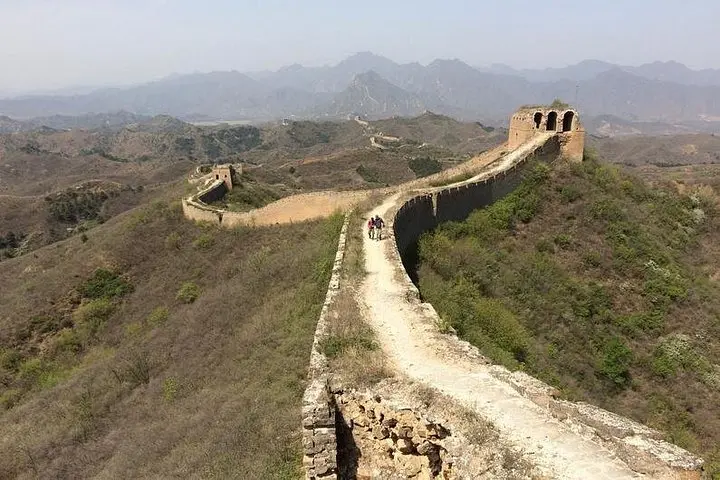
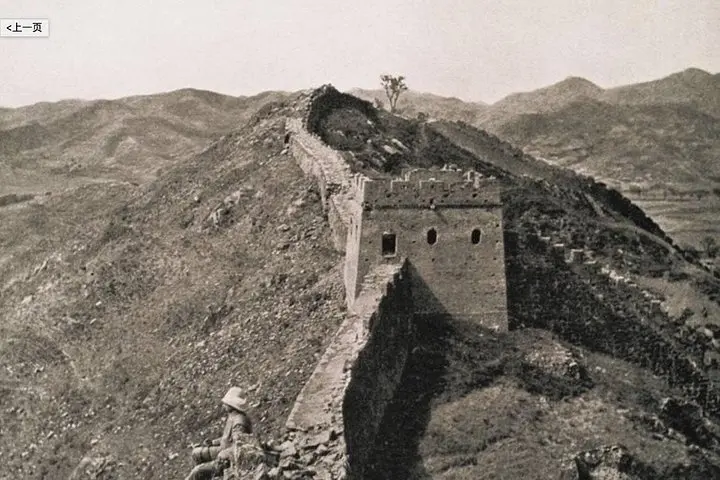
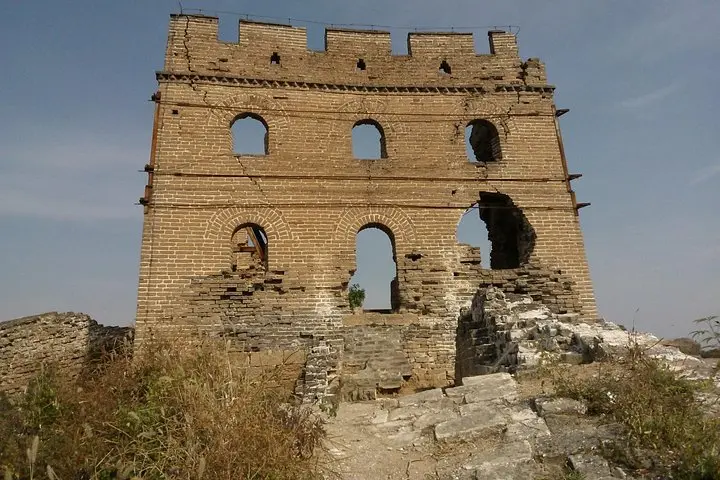
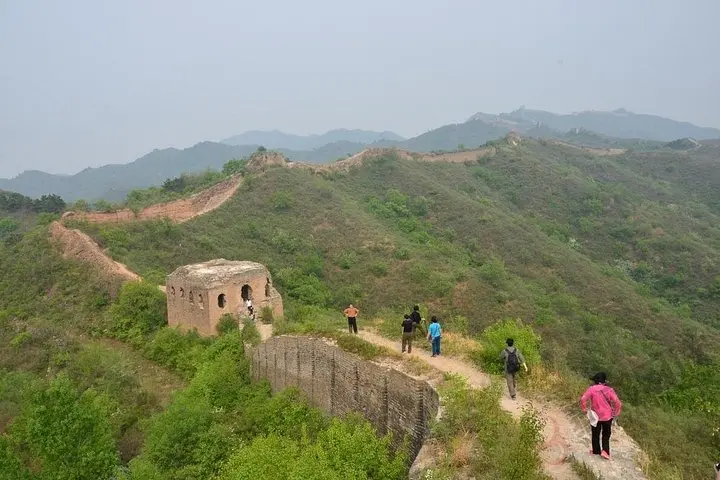
Morning light slices through mountain air as the driver eases the minivan onto the narrow road toward Gubeikou. At the drop-off the wall is immediate and uncompromising — wild stonework rising, loose steps and watchtowers hunkered on ridgelines. The route pushes east across ridges, moving from the scruffy, unrestored character of Gubeikou into the repaired crenellations and sweeping vantage points of Jinshanling where tourists and preservation crews converge.
Verified experiences and guided adventures in the surrounding area.
Operated by Jack Wang · Luanping, Hebei
Morning light slices through mountain air as the driver eases the minivan onto the narrow road toward Gubeikou. At the drop-off the wall is immediate and uncompromising — wild stonework rising, loose steps and watchtowers hunkered on ridgelines. The route pushes east across ridges, moving from the scruffy, unrestored character of Gubeikou into the repaired crenellations and sweeping vantage points of Jinshanling where tourists and preservation crews converge.
This corridor of the Ming-era Great Wall reflects centuries of frontier defense and shifting maintenance philosophies: parts abandoned to weather and plants, others consolidated for visitors. Geologically, the wall rides a chain of granite and schist ridges carved by rivers that still cut the valleys below; the line of towers follows the easiest defensive crest rather than a single geological fault. Locally, villages near Luanping maintain traditions of hospitality and simple mountain food; expect little in the way of services on the hike itself.
Practically, the thru-hike typically takes 5–7 hours depending on pace. Terrain alternates packed stone, loose scree and steep stair sections; some scrambling and careful footing are required on the unrestored stretches. Bring at least 2–3 liters of water, sun and rain protection, sturdy shoes and a walking stick for stability. Start early to avoid midday heat and secure pickup details in advance — the driver will drop you at Gubeikou and meet you at Jinshanling. Respect closed-off or fragile sections, pack out trash and be mindful of uneven steps; the wall rewards steady, attentive travel with expansive, unbroken views across Beijing’s northern highlands.
Expect 5–7 hours on the wall depending on fitness and pace; the operator's itinerary allows about 6 hours for the trek.
Yes — the tour is point-to-point: the driver drops you at Gubeikou and picks you up at Jinshanling at the agreed time.
Gubeikou includes unrestored, steep and uneven sections; inexperienced hikers should have good fitness and travel with companions.
Facilities are limited; bring snacks and use restrooms at Gubeikou or Jinshanling before starting and after finishing the hike.
Jack Wang operates guided outdoor trips and adventures with an emphasis on safety, stewardship, and memorable experiences.
Morning light slices through mountain air as the driver eases the minivan onto the narrow road toward Gubeikou. At the drop-off the wall is immediate and uncompromising — wild stonework rising, loose steps and watchtowers hunkered on ridgelines. The route pushes east across ridges, moving from the scruffy, unrestored character of Gubeikou into the repaired crenellations and sweeping vantage points of Jinshanling where tourists and preservation crews converge.
Morning light slices through mountain air as the driver eases the minivan onto the narrow road toward Gubeikou. At the drop-off the wall is immediate and uncompromising — wild stonework rising, loose steps and watchtowers hunkered on ridgelines. The route pushes east across ridges, moving from the scruffy, unrestored character of Gubeikou into the repaired crenellations and sweeping vantage points of Jinshanling where tourists and preservation crews converge.
This corridor of the Ming-era Great Wall reflects centuries of frontier defense and shifting maintenance philosophies: parts abandoned to weather and plants, others consolidated for visitors. Geologically, the wall rides a chain of granite and schist ridges carved by rivers that still cut the valleys below; the line of towers follows the easiest defensive crest rather than a single geological fault. Locally, villages near Luanping maintain traditions of hospitality and simple mountain food; expect little in the way of services on the hike itself.
Practically, the thru-hike typically takes 5–7 hours depending on pace. Terrain alternates packed stone, loose scree and steep stair sections; some scrambling and careful footing are required on the unrestored stretches. Bring at least 2–3 liters of water, sun and rain protection, sturdy shoes and a walking stick for stability. Start early to avoid midday heat and secure pickup details in advance — the driver will drop you at Gubeikou and meet you at Jinshanling. Respect closed-off or fragile sections, pack out trash and be mindful of uneven steps; the wall rewards steady, attentive travel with expansive, unbroken views across Beijing’s northern highlands.