THE ADVENTURE COLLECTIVE® · Independent discovery and booking for outdoor travel

Spend a day between Tulum’s cliff-top ruins, a crystalline semi-open cenote and a wooden-boardwalk cavern. This guided tour combines Mayan history, karst geology and a refreshing swim—ideal for families and active travelers.
Spend a day between Tulum’s cliff-top ruins, a crystalline semi-open cenote and a wooden-boardwalk cavern. This guided tour combines Mayan history, karst geology and a refreshing swim—ideal for families and active travelers.
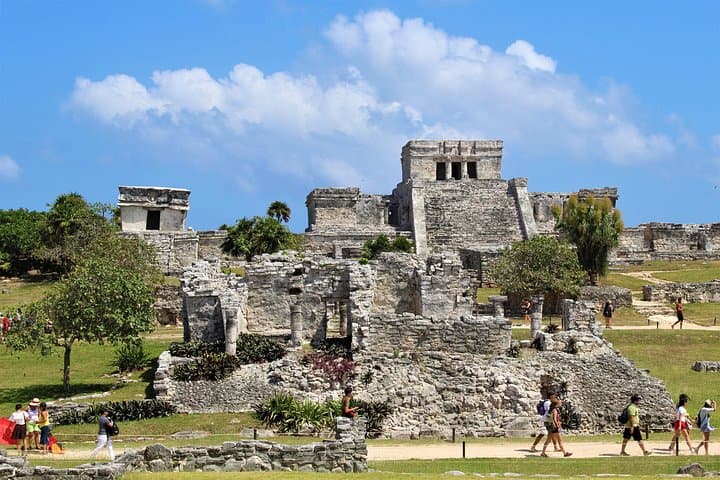
A salt wind cuts across the limestone cliff as you step into the archaeological zone at Tulum, the ancient Mayan port watching the Caribbean like an old guardian. Sunlight skims the temple tops while gulls wheel over turquoise water; the stones underfoot still hold the slow, deliberate geometry of a civilization built for sea and sky.
Verified experiences and guided adventures in the surrounding area.
Operated by Ruta Maya Ecotours · Tulum, Quintana Roo
A salt wind cuts across the limestone cliff as you step into the archaeological zone at Tulum, the ancient Mayan port watching the Caribbean like an old guardian. Sunlight skims the temple tops while gulls wheel over turquoise water; the stones underfoot still hold the slow, deliberate geometry of a civilization built for sea and sky.
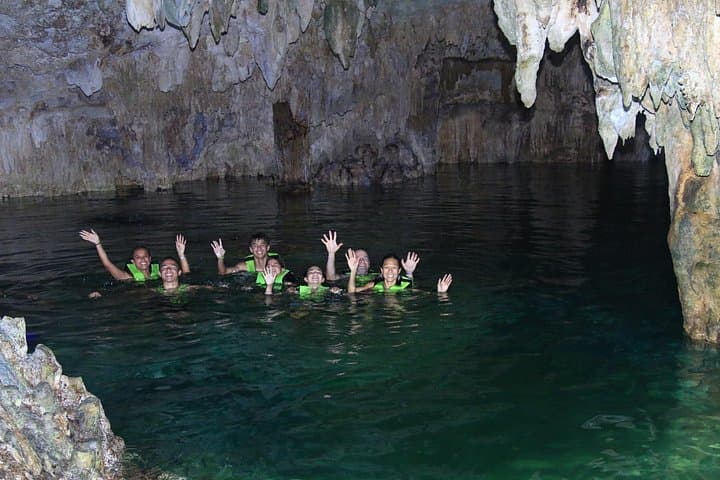
This day tour moves from archaeological wonder to subterranean karst: Tulum’s ruins offer a compact look at Postclassic Mayan coastal life, defensive walls and temple platforms facing the reef. Geologically, the region is classic Yucatán karst—limestone terrain pocked by cenotes where the groundwater has carved caverns over millennia. Falcon Nest is a semi-open cenote where light and water trade places, and Sayab Cavern is a 250 m wooden corridor through Zac Aktun’s passages, part of the world’s largest underground river system.
Expect a blend of culture and adventure: guided history at Tulum, a refreshing swim in a sheltered cenote, and a guided cavern walk with stable pathways. The route runs 5–6 hours with private transport and lunch in the jungle included. Bring reef-safe sunscreen, sturdy water shoes, and a swimsuit; mobility on damp steps and narrow wooden walkways matters more than technical skill.
Plan to arrive early or join earlier pickups to avoid midday heat and crowds. Respect the sites—no climbing on ruins, and follow guide instructions in the cenote and cavern to protect fragile formations and local groundwater. The experience pairs easy cultural interpretation with hands-on nature, ideal for families and travelers who want history, geology and a cooling dose of underground adventure.
Yes—swimming is part of the Falcon Nest visit; life vests are typically provided and required where necessary.
No—the Tulum archaeological site is compact with short walking distances, but there are stairs and exposed sections so bring sun protection.
Yes for most children, but the tour involves a 250 m wooden corridor and damp conditions; supervision and basic mobility are required.
Yes—tour inclusions often list lockers and changing areas at the cenote and cavern sites; check with your operator about valuables storage.
Ruta Maya Ecotours operates guided outdoor trips and adventures with an emphasis on safety, stewardship, and memorable experiences.

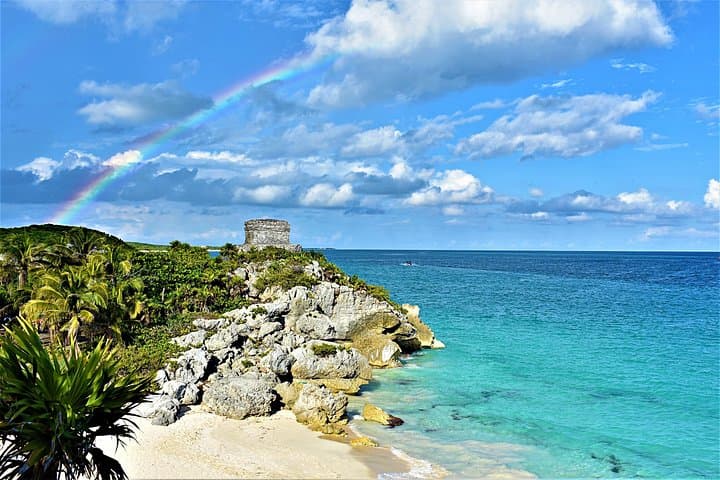
A salt wind cuts across the limestone cliff as you step into the archaeological zone at Tulum, the ancient Mayan port watching the Caribbean like an old guardian. Sunlight skims the temple tops while gulls wheel over turquoise water; the stones underfoot still hold the slow, deliberate geometry of a civilization built for sea and sky.
A salt wind cuts across the limestone cliff as you step into the archaeological zone at Tulum, the ancient Mayan port watching the Caribbean like an old guardian. Sunlight skims the temple tops while gulls wheel over turquoise water; the stones underfoot still hold the slow, deliberate geometry of a civilization built for sea and sky.
This day tour moves from archaeological wonder to subterranean karst: Tulum’s ruins offer a compact look at Postclassic Mayan coastal life, defensive walls and temple platforms facing the reef. Geologically, the region is classic Yucatán karst—limestone terrain pocked by cenotes where the groundwater has carved caverns over millennia. Falcon Nest is a semi-open cenote where light and water trade places, and Sayab Cavern is a 250 m wooden corridor through Zac Aktun’s passages, part of the world’s largest underground river system.
Expect a blend of culture and adventure: guided history at Tulum, a refreshing swim in a sheltered cenote, and a guided cavern walk with stable pathways. The route runs 5–6 hours with private transport and lunch in the jungle included. Bring reef-safe sunscreen, sturdy water shoes, and a swimsuit; mobility on damp steps and narrow wooden walkways matters more than technical skill.
Plan to arrive early or join earlier pickups to avoid midday heat and crowds. Respect the sites—no climbing on ruins, and follow guide instructions in the cenote and cavern to protect fragile formations and local groundwater. The experience pairs easy cultural interpretation with hands-on nature, ideal for families and travelers who want history, geology and a cooling dose of underground adventure.