THE ADVENTURE COLLECTIVE® · Independent discovery and booking for outdoor travel

Spend two full days tracing the grand monuments of ancient Thebes: Karnak’s hypostyle halls, the Temple of Luxor, the Valley of the Kings and Hatshepsut’s terraces. This guided tour balances monument exploration with practical logistics—hotel pickup, local guides, and seasonal timing advice.
Spend two full days tracing the grand monuments of ancient Thebes: Karnak’s hypostyle halls, the Temple of Luxor, the Valley of the Kings and Hatshepsut’s terraces. This guided tour balances monument exploration with practical logistics—hotel pickup, local guides, and seasonal timing advice.
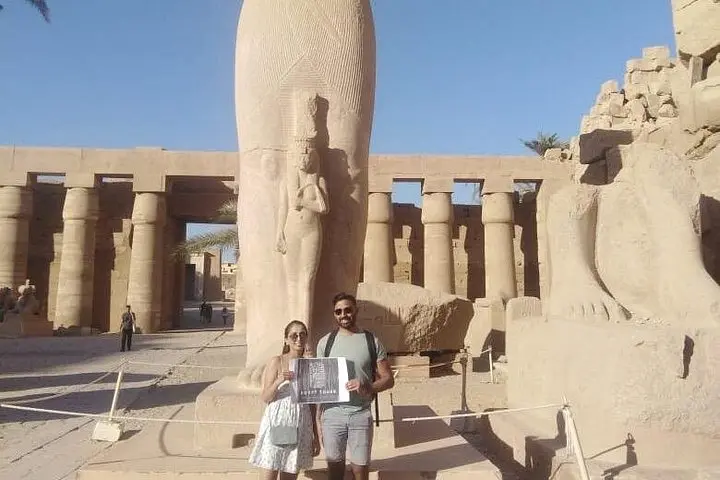
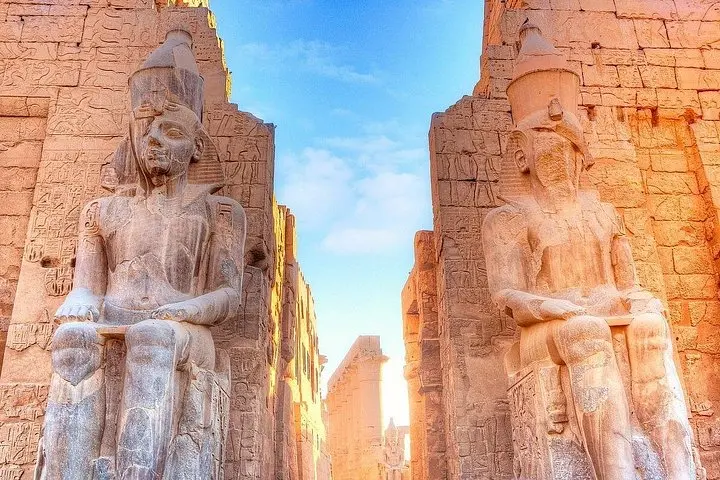
Morning light strips the desert cool and paints the sandstone pylons of Karnak in hard gold. On this two-day guided route across Luxor’s east and west banks, visitors move from the columned forests of a once-mighty temple complex to cliff-cut funerary chambers where paint still clings to ancient plaster.
Verified experiences and guided adventures in the surrounding area.
Operated by Egypt Tours Travel · Luxor, Luxor Governorate
Morning light strips the desert cool and paints the sandstone pylons of Karnak in hard gold. On this two-day guided route across Luxor’s east and west banks, visitors move from the columned forests of a once-mighty temple complex to cliff-cut funerary chambers where paint still clings to ancient plaster.
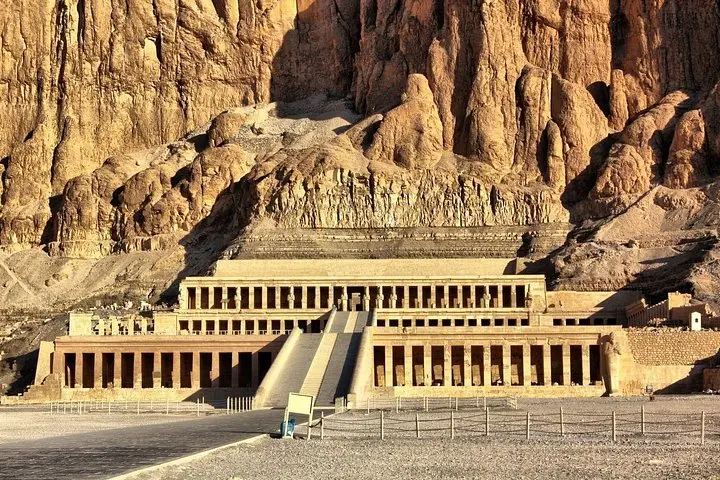
Karnak and Luxor temples lie at the heart of ancient Thebes—the political and religious center of New Kingdom Egypt. Stonework here records pharaohs, processional routes and a living cult of Amun. Across the Nile, the Valley of the Kings cuts into limestone ridges carved by the Nile’s ancient floodplain; tomb builders exploited the geology to hide royal burial chambers. Nearby, Hatshepsut’s terraced mortuary temple integrates architecture with the stark face of Deir el-Bahari, while the Colossi of Memnon mark the sweep of Amenhotep III’s mortuary landscape.
Expect guided walks paced for discovery: paved and packed-sand paths, short stair sections, and shaded breaks inside temple hypostyles. Practicalities: dawn or late-afternoon visits dodge heat and crowds; carry sun protection, rehydrate often, and wear soles suited to cobbles and uneven stone. Photography rules apply—flashes and tripods may be restricted in tombs.
Logistics are straightforward: the tour offers hotel pickup, an air-conditioned vehicle between sites, and expert local commentary that contextualizes inscriptions and iconography. Plan for two full days of moderate walking with time to absorb carved reliefs and desert vistas. Respect site rules, leave no trace, and let the stonework tell its long, human story.
Entrance fees to sites are typically not included—verify at booking and have local currency or card for any tickets or upgraded tomb access.
The tour notes wheelchair-accessible transportation and surfaces at some sites, but certain tomb interiors and uneven areas may limit access—confirm needs with the operator before booking.
Guides usually arrange access to a selection of tombs (rotating list based on conservation rules); expect to enter two or three highlighted tombs depending on time and permits.
The tour provides bottled water and snacks; full meals are generally not included—plan for an included snack and options to buy meals in Luxor town or at hotels.
Egypt Tours Travel operates guided outdoor trips and adventures with an emphasis on safety, stewardship, and memorable experiences.

Morning light strips the desert cool and paints the sandstone pylons of Karnak in hard gold. On this two-day guided route across Luxor’s east and west banks, visitors move from the columned forests of a once-mighty temple complex to cliff-cut funerary chambers where paint still clings to ancient plaster.
Morning light strips the desert cool and paints the sandstone pylons of Karnak in hard gold. On this two-day guided route across Luxor’s east and west banks, visitors move from the columned forests of a once-mighty temple complex to cliff-cut funerary chambers where paint still clings to ancient plaster.
Karnak and Luxor temples lie at the heart of ancient Thebes—the political and religious center of New Kingdom Egypt. Stonework here records pharaohs, processional routes and a living cult of Amun. Across the Nile, the Valley of the Kings cuts into limestone ridges carved by the Nile’s ancient floodplain; tomb builders exploited the geology to hide royal burial chambers. Nearby, Hatshepsut’s terraced mortuary temple integrates architecture with the stark face of Deir el-Bahari, while the Colossi of Memnon mark the sweep of Amenhotep III’s mortuary landscape.
Expect guided walks paced for discovery: paved and packed-sand paths, short stair sections, and shaded breaks inside temple hypostyles. Practicalities: dawn or late-afternoon visits dodge heat and crowds; carry sun protection, rehydrate often, and wear soles suited to cobbles and uneven stone. Photography rules apply—flashes and tripods may be restricted in tombs.
Logistics are straightforward: the tour offers hotel pickup, an air-conditioned vehicle between sites, and expert local commentary that contextualizes inscriptions and iconography. Plan for two full days of moderate walking with time to absorb carved reliefs and desert vistas. Respect site rules, leave no trace, and let the stonework tell its long, human story.