THE ADVENTURE COLLECTIVE® · Independent discovery and booking for outdoor travel

Chase fresh San Juan powder with AMGA-certified or trained guides on Red Mountain Pass, just above Ouray. This full-day backcountry tour blends safety instruction, tailored terrain, and rich mining-country history for a smart, unforgettable ski day.
Chase fresh San Juan powder with AMGA-certified or trained guides on Red Mountain Pass, just above Ouray. This full-day backcountry tour blends safety instruction, tailored terrain, and rich mining-country history for a smart, unforgettable ski day.
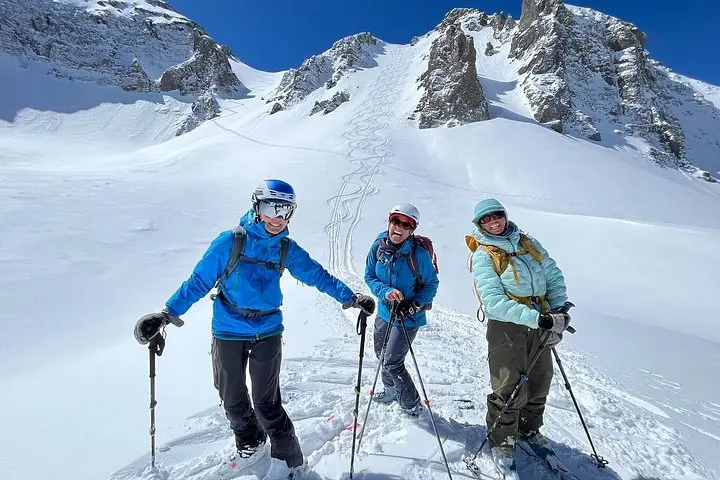
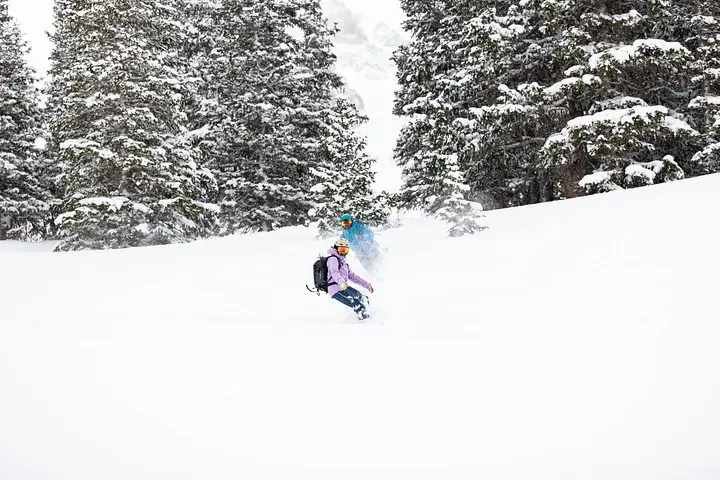
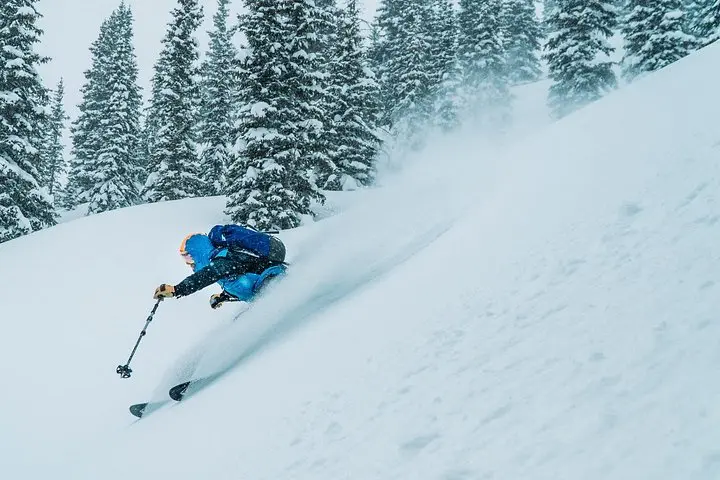
Dawn slips over Ouray like frost on glass, and the Million Dollar Highway starts to stir. Headlights ribbon up toward Red Mountain Pass, where the San Juans flex their volcanic shoulders and the wind needles your cheeks awake. Skins whisper on cold snow, the valley quiet except for your breath, the soft tick of bindings, and a guide’s calm voice cutting through the stillness. The mountains dare you forward—powder tucked in glades, bowls yawning wide, ridgelines guarding views all the way to the Needles.
Verified experiences and guided adventures in the surrounding area.
Operated by Mountain Trip · Ouray, Colorado
Dawn slips over Ouray like frost on glass, and the Million Dollar Highway starts to stir. Headlights ribbon up toward Red Mountain Pass, where the San Juans flex their volcanic shoulders and the wind needles your cheeks awake. Skins whisper on cold snow, the valley quiet except for your breath, the soft tick of bindings, and a guide’s calm voice cutting through the stillness. The mountains dare you forward—powder tucked in glades, bowls yawning wide, ridgelines guarding views all the way to the Needles.
This is Mountain Trip’s backcountry—AMGA certified or trained guides leading tailored days out of Ouray with 50 years of local know‑how. The day begins with a safety briefing and transceiver check, then a quick refresher on efficient skinning and kick turns. Avalanche gear (beacon, shovel, probe) is provided, along with real-time route decisions shaped by the CAIC forecast, wind patterns, and your goals. First-timers find low-angle powder stashes and sheltered trees; seasoned tourers are shown longer laps and steeper options when conditions allow.
Red Mountain Pass—named for iron-rich peaks that glow after storms—sits at 11,018 feet on a road carved for mining in the late 1800s. The terrain is a maze of historic cuts and avalanche paths, with famous zones like Chattanooga, Commodore Basin, McMillan Peak glades, and Prospect Gulch. Expect 2,000–3,500 feet of vertical gain over 6–8 hours, broken into two to four laps depending on conditions and pace. Snow here stacks up fast; storms load leeward features and the mountains make their own weather, so flexibility is part of the rhythm.
Geology and history run underfoot. The San Juans are a massive volcanic complex, their bowls and ridges sculpted by ancient eruptions and long winters. The fabled highway—perched on sheer cliffs—still threads past abandoned trestles and tailings. Guides read this landscape like a map: trees that shelter great powder after wind events, gullies that channel avalanche hazard, sun pockets that turn to corn in late spring.
Practically speaking, start early, hydrate at altitude, and dress in breathable layers. Touring skis or a splitboard with skins, a helmet, and low‑light goggles are key. Winter tires and 4WD help in storm cycles, and bluebird days demand sunscreen and sunglasses even in January. The payoff is a San Juan day that moves with the mountains’ pace—earnest climbs, clean snow, and turns that feel written just for you.
Expect to finish back in Ouray, steam rising from hot cocoa and maybe later from the town’s famous hot springs while the peaks keep their powder secrets for tomorrow.
Guiding, avalanche safety gear (transceiver, shovel, probe), and a customized itinerary are included. Touring skis/splitboard, skins, boots, and clothing are not included.
Yes. Guides tailor terrain and pace to your experience and provide instruction on skinning, transitions, and avalanche safety.
Most groups complete 2–4 laps totaling 2,000–3,500 feet of vertical, adjusted for conditions, fitness, and goals.
Guides choose conservative terrain such as sheltered glades, adjust the plan, or reschedule if conditions aren’t appropriate.
Pick-up in the Ouray area is available upon request. If driving, winter tires (and chains when required) are strongly recommended for US 550.
Breathable base layers, softshell or light insulated midlayer, waterproof shell, insulated gloves, hat/helmet liner, and warm socks. Bring a puffy for transitions.
Mountain Trip operates guided outdoor trips and adventures with an emphasis on safety, stewardship, and memorable experiences.
Dawn slips over Ouray like frost on glass, and the Million Dollar Highway starts to stir. Headlights ribbon up toward Red Mountain Pass, where the San Juans flex their volcanic shoulders and the wind needles your cheeks awake. Skins whisper on cold snow, the valley quiet except for your breath, the soft tick of bindings, and a guide’s calm voice cutting through the stillness. The mountains dare you forward—powder tucked in glades, bowls yawning wide, ridgelines guarding views all the way to the Needles.
Dawn slips over Ouray like frost on glass, and the Million Dollar Highway starts to stir. Headlights ribbon up toward Red Mountain Pass, where the San Juans flex their volcanic shoulders and the wind needles your cheeks awake. Skins whisper on cold snow, the valley quiet except for your breath, the soft tick of bindings, and a guide’s calm voice cutting through the stillness. The mountains dare you forward—powder tucked in glades, bowls yawning wide, ridgelines guarding views all the way to the Needles.
This is Mountain Trip’s backcountry—AMGA certified or trained guides leading tailored days out of Ouray with 50 years of local know‑how. The day begins with a safety briefing and transceiver check, then a quick refresher on efficient skinning and kick turns. Avalanche gear (beacon, shovel, probe) is provided, along with real-time route decisions shaped by the CAIC forecast, wind patterns, and your goals. First-timers find low-angle powder stashes and sheltered trees; seasoned tourers are shown longer laps and steeper options when conditions allow.
Red Mountain Pass—named for iron-rich peaks that glow after storms—sits at 11,018 feet on a road carved for mining in the late 1800s. The terrain is a maze of historic cuts and avalanche paths, with famous zones like Chattanooga, Commodore Basin, McMillan Peak glades, and Prospect Gulch. Expect 2,000–3,500 feet of vertical gain over 6–8 hours, broken into two to four laps depending on conditions and pace. Snow here stacks up fast; storms load leeward features and the mountains make their own weather, so flexibility is part of the rhythm.
Geology and history run underfoot. The San Juans are a massive volcanic complex, their bowls and ridges sculpted by ancient eruptions and long winters. The fabled highway—perched on sheer cliffs—still threads past abandoned trestles and tailings. Guides read this landscape like a map: trees that shelter great powder after wind events, gullies that channel avalanche hazard, sun pockets that turn to corn in late spring.
Practically speaking, start early, hydrate at altitude, and dress in breathable layers. Touring skis or a splitboard with skins, a helmet, and low‑light goggles are key. Winter tires and 4WD help in storm cycles, and bluebird days demand sunscreen and sunglasses even in January. The payoff is a San Juan day that moves with the mountains’ pace—earnest climbs, clean snow, and turns that feel written just for you.
Expect to finish back in Ouray, steam rising from hot cocoa and maybe later from the town’s famous hot springs while the peaks keep their powder secrets for tomorrow.